Aging alters eye tissue proteins differently in mice
In an experiment comparing 73-week-old mice with 8-week-old mice, aging changed 85 proteins in the retina and 272 in the supporting eye tissue.
bioRxiv
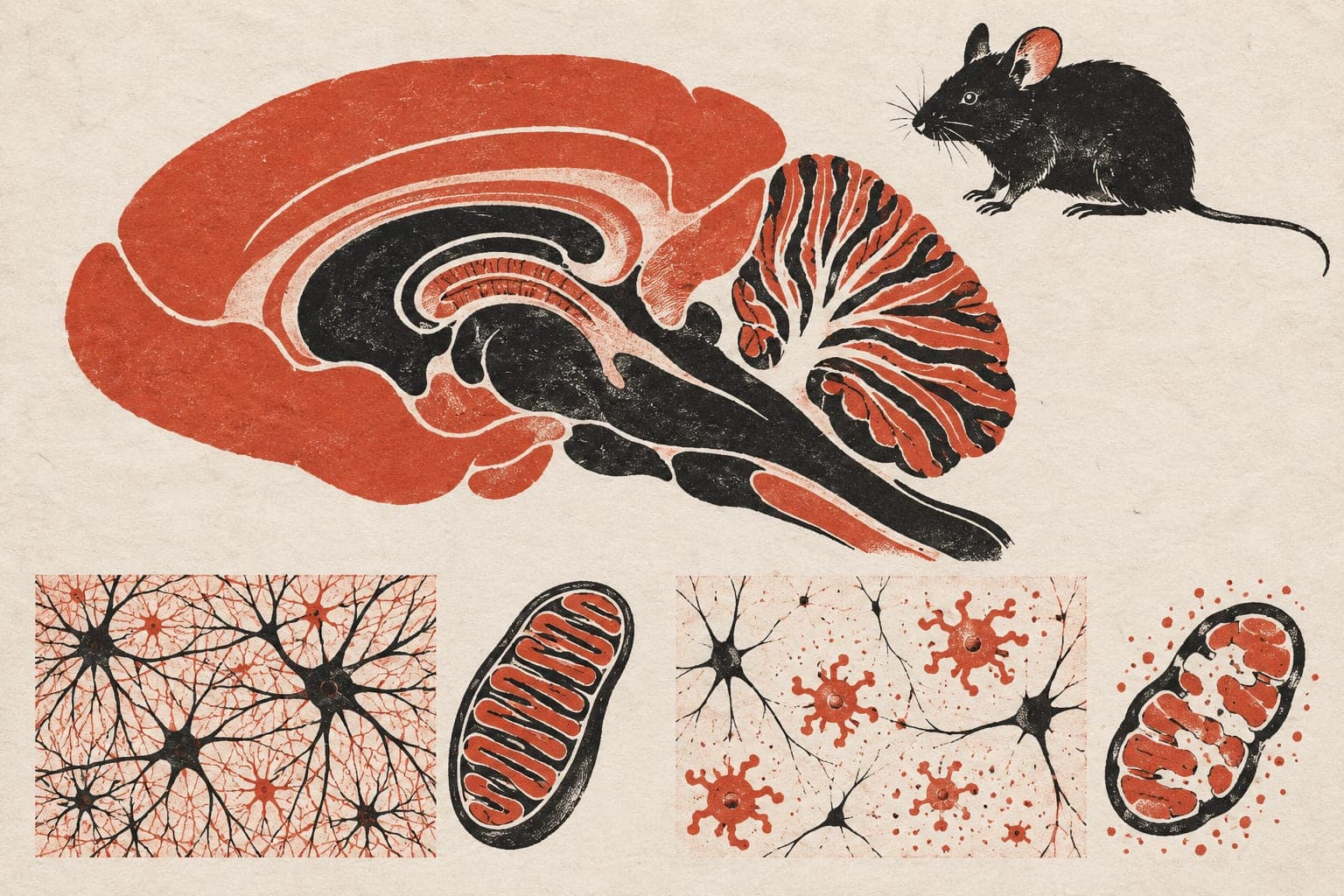
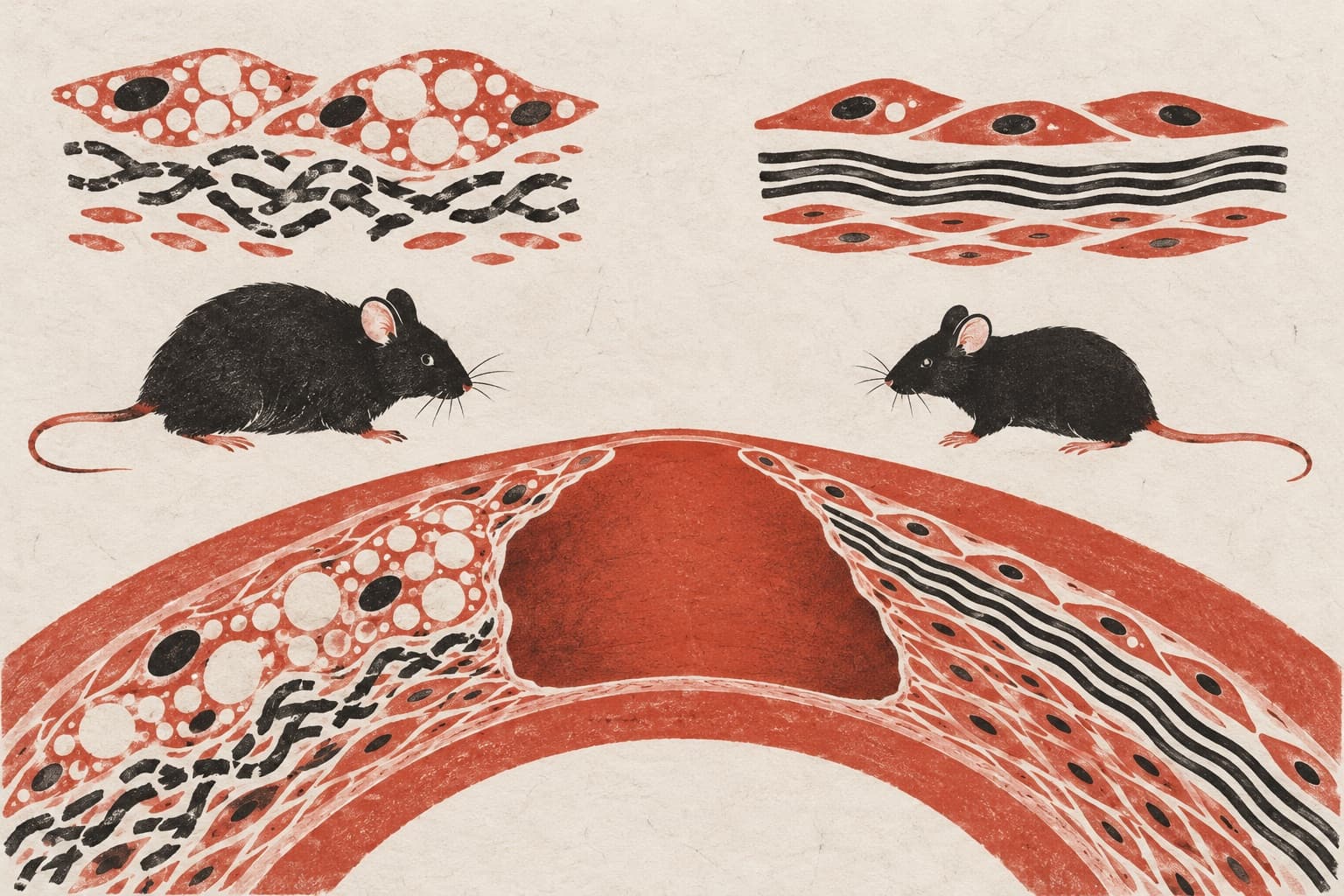
In an experiment using young, eight-week-old and old, 73-week-old C57BL/6J mice, researchers measured protein levels in the neural retina and the neighbouring retinal pigment epithelium and choroid. Aging altered 85 proteins in the retina and 272 in the neighbouring tissue, with 16 shared between them. In the aged retina, proteins associated with immunity and neurodegeneration mostly rose, while proteins in lipid metabolism and gene regulation decreased. In the neighbouring tissue, all 21 significantly altered lysosomal enzymes and transport proteins increased, together with immune complement components. Seven shared proteins involved in lipid and cellular metabolism changed in opposite directions between the tissues. Approximately 17% of proteins with tissue-specific differences showed age-dependent shifts in which tissue was enriched with them.
Why it matters
The findings may help clarify how metabolic shifts between eye tissues contribute to age-related macular degeneration, a leading cause of vision loss in older adults.
Caveats
The work was carried out in mice rather than humans and provides protein snapshots rather than direct metabolic tracking. The findings are reported in a preprint and have not yet been peer-reviewed.
- Complement system
- Epigenetic regulation of gene expression
- Fatty acid β-oxidation
- Extracellular matrix
- Lysosome
- Mice
The paper
Aging Differentially Remodels the Retina and RPE/Choroid Proteome and Metabolism
Show 2 more authors
R. McNeel, D. Alabdallat,University of Wisconsin-Madison
bioRxiv · 9 Oct 2026 · CC BY-NC-ND · Preprint, not peer-reviewed