Spiny mouse fibroblasts favor glycolysis and resist stress
Ear pinna fibroblasts from fetal, young, and old spiny mice maintained low-respiring, spherical mitochondria and stayed resistant to oxidative stress throughout the lifespan.
The Journal of Biological Chemistry
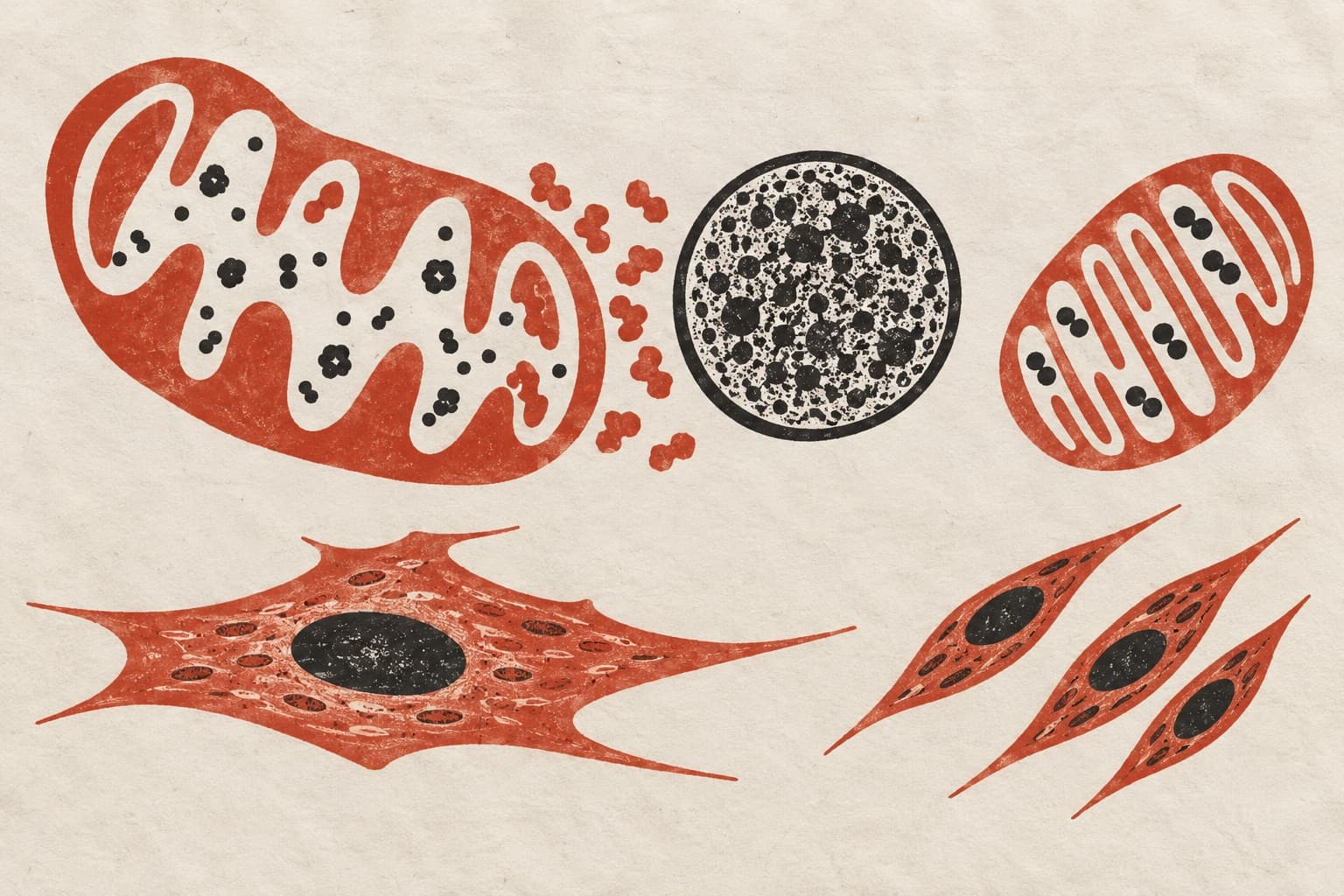
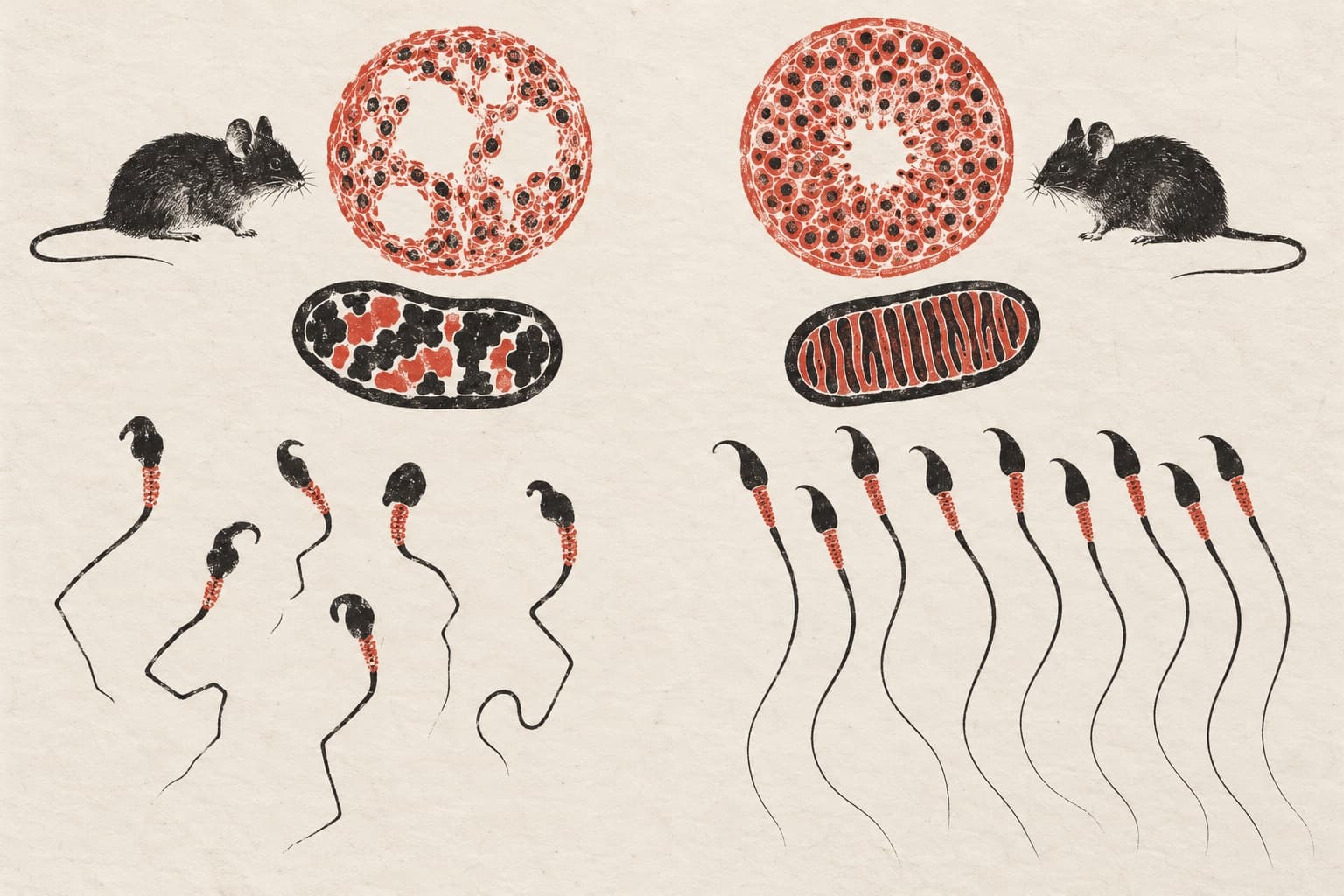
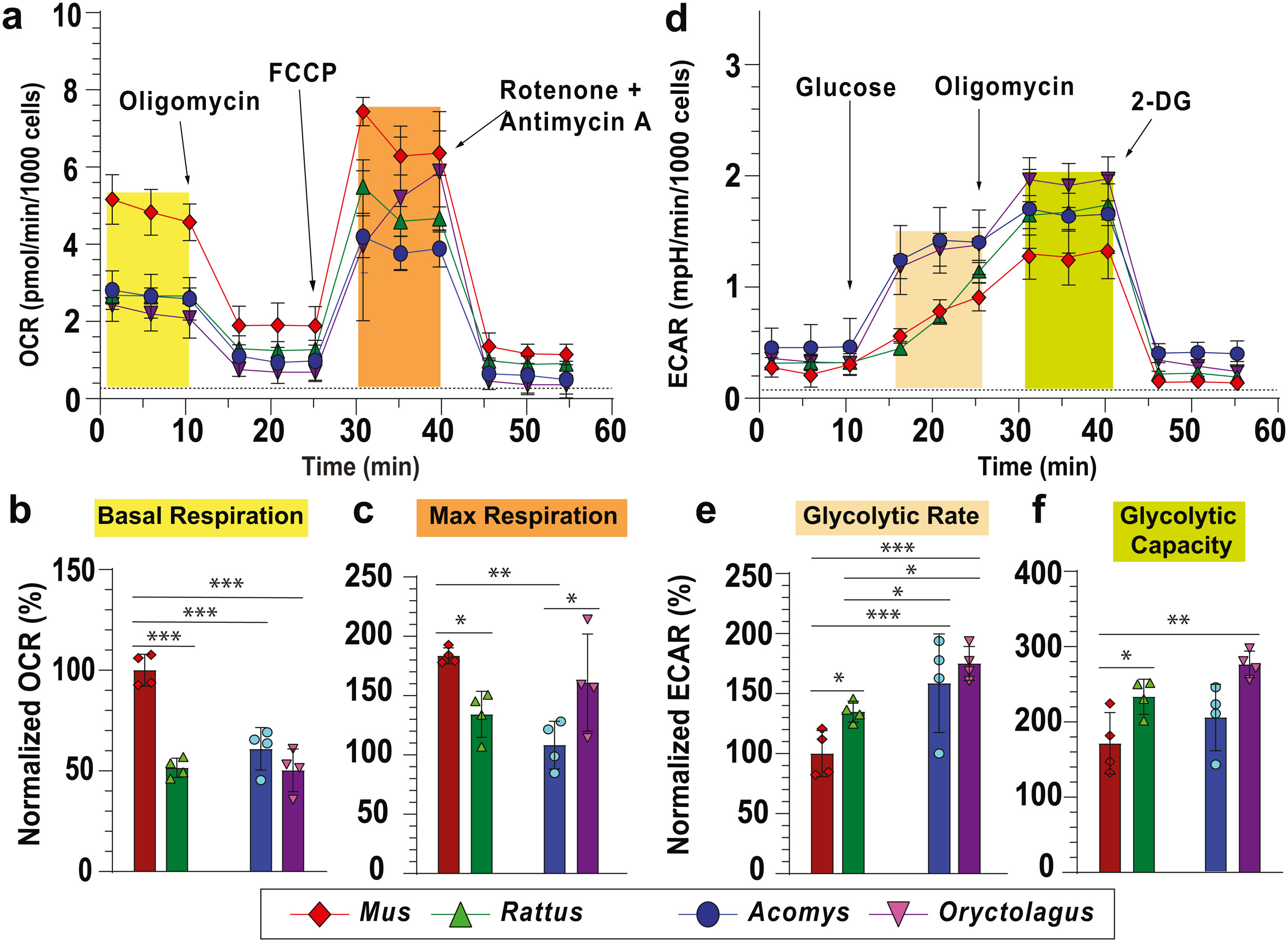
In primary ear pinna fibroblasts isolated from spiny mice, rabbits, laboratory mice, and rats, researchers tested how cellular metabolism influences resilience. Fibroblasts from highly regenerative spiny mice and rabbits exhibited a baseline preference for glycolysis, which supported lower reactive oxygen species production. Mitochondria from spiny mouse fibroblasts were low respiring, depolarized, and consistently large and spherical across fetal, young, and old animals. Fibroblasts from all three spiny mouse age groups remained highly resistant to oxidative stress. In contrast, rabbit, laboratory mouse, and rat fibroblasts retained typical polarized, tubular mitochondrial networks. Isolated rabbit and spiny mouse fibroblasts also shared lower oxygen consumption efficiency even without a potential gradient. The authors conclude these findings support a shared metabolic phenotype in regenerative stromal cells that increases cellular resilience.
Why it matters
Identifying how regenerative species maintain stress resistance across life stages offers clues about metabolic states that might counter age-related oxidative damage. The findings link glycolytic reliance to preserved cellular robustness during aging.
Caveats
All findings were derived in vitro from cultured primary fibroblasts and may not represent complex tissue environments in living animals. The study also focused on a narrow selection of rodent and lagomorph species.
The paper
Show 6 more authors
Renée R. Donahue, Brennan Riddell, Hemendra J. Vekaria, Patrick G. Sullivan, Huazhen Liu, Pradeep Kachroo,University of Kentucky
The Journal of Biological Chemistry · 24 Sep 2026