Augmented Flow-Induced Outward Remodelling Occurs with Ageing in Mice
21 days
Abstract
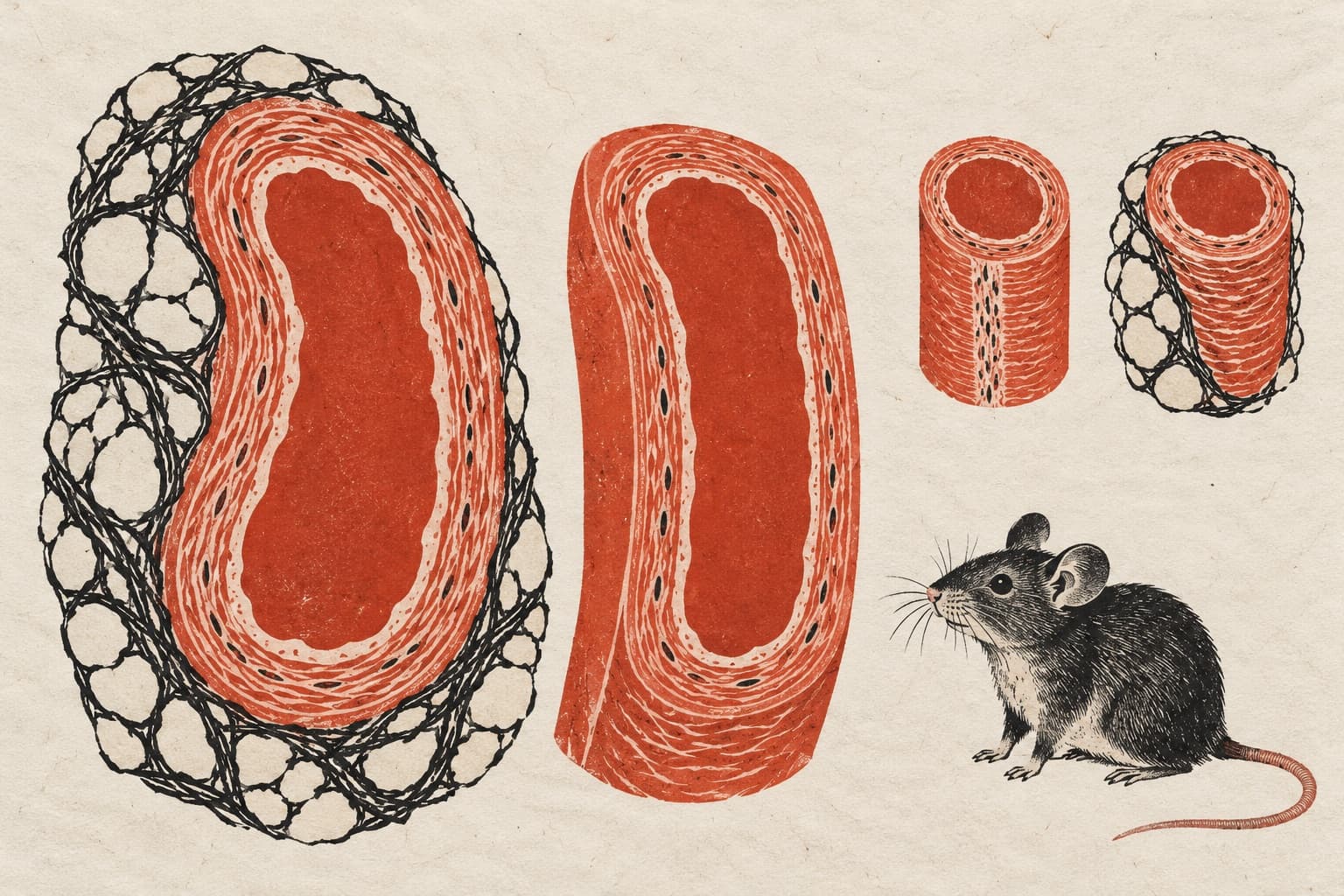
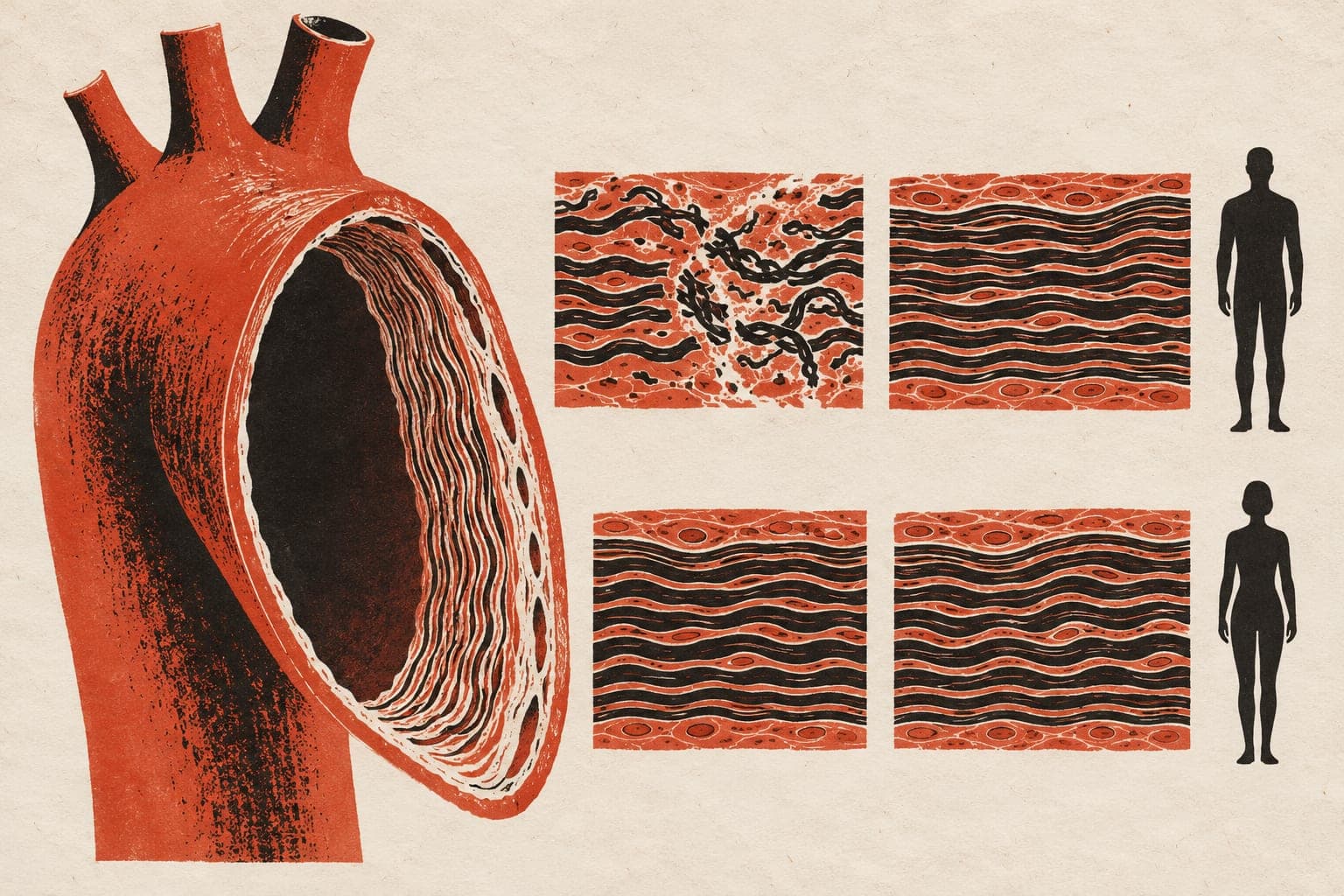
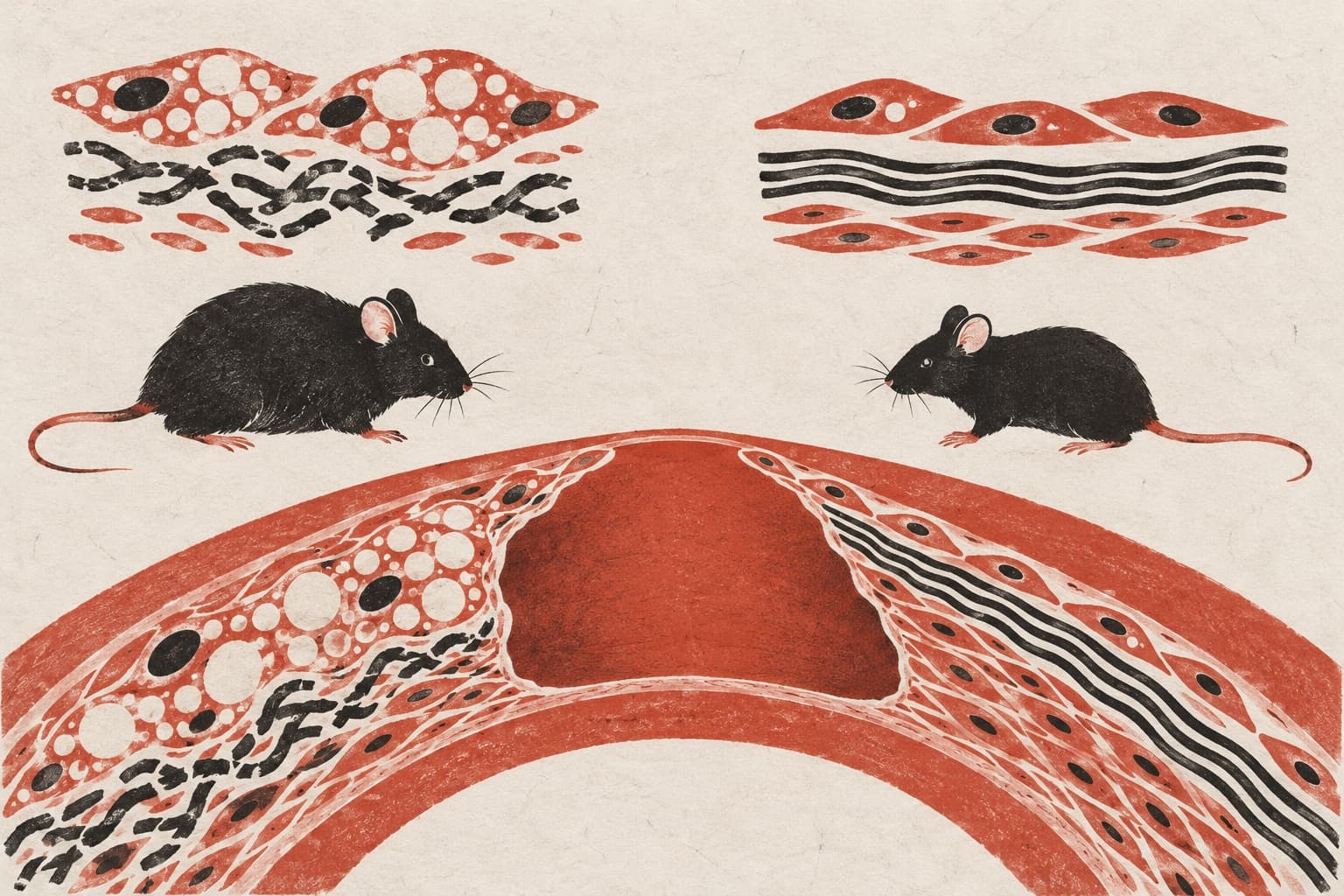
Outward remodelling of arteries is a feature of cardiovascular pathologies such as atherosclerosis and aneurysm, so a greater understanding of the processes involved in remodelling may aid the development of improved therapies for patients. As ageing increases the risk of atherosclerosis and aneurysmal disease, it was therefore hypothesised that ageing affects arterial remodelling and thereby contributes to these diseases. To test this hypothesis, we compared right carotid artery remodelling in young (2 months, n = 13) and old (18-20 months, n = 13) mice resulting from increased blood flow after ligation of the left carotid artery. The media area, thickness, collagen content and α-SM-actin content per cell of control right carotid arteries from old mice were significantly greater than observed in young mice. Positive remodelling was observed in the carotid arteries of both old and young mice 21 days after ligation of the left carotid artery. However, arteries from old mice had a significantly larger increase in lumen size and reduction in media area, thickness and α-SM-actin content per cell compared to young arteries, indicative of augmented positive remodelling in arteries from old mice. Remodelling was associated with significantly increased MMP-2 protein in arteries from young mice, but this was not observed in arteries from old mice. This study demonstrates that the extent of positive remodelling of carotid arteries is greater in old mice than in young mice and results in a potentially less resilient medial layer with decreased α-SM-actin content per cell, elastin and collagen that may promote atherosclerosis and aneurysm formation.
- Left carotid artery ligation
- Extracellular matrix remodelling
- Extracellular matrix
- Alpha-smooth muscle actin
- Collagen
- Mice
The paper
Bristol Royal Infirmary
International Journal of Molecular Sciences, 22 Oct 2025