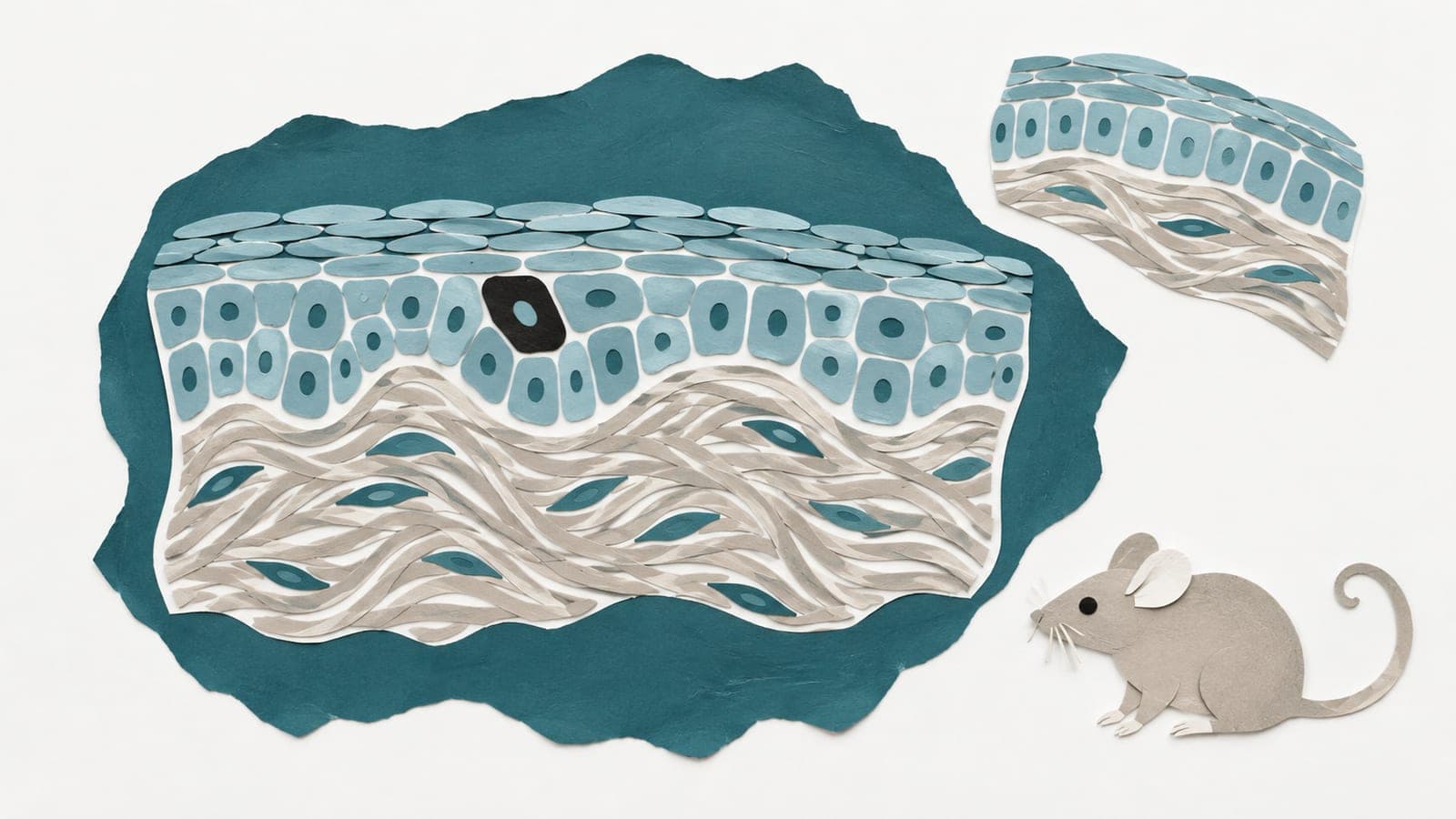
Research progress on cell cycle arrest in dermal fibroblasts
Abstract
Cell cycle arrest in dermal fibroblasts is a critical biological process essential for maintaining skin homeostasis and serves as a central mechanism driving various skin pathologies. This review systematically summarizes the endogenous and exogenous factors triggering cell cycle arrest in dermal fibroblasts and their underlying molecular mechanisms, with a particular focus on the roles of key signaling pathways such as p53, TGF-β/Smad, and Wnt/β-catenin. Additionally, the dual effects of cell cycle arrest on the skin are discussed: transient arrest facilitates DNA damage repair and tissue regeneration, whereas prolonged arrest leads to cellular senescence, chronic inflammation, collagen degradation, and fibrosis. Advances in chemical compounds modulating cell cycle arrest are also highlighted, including potential therapeutic strategies for promoting or relieving cell cycle arrest. This review provides new insights into skin regenerative medicine and anti-aging therapies while identifying critical scientific questions for future research.
- Cell cycle regulation
- Cellular senescence
- DNA repair
- Extracellular matrix remodelling
- Inflammation
- Fibrosis
The paper
Guangxi University of Chinese Medicine
Cell Cycle, 23 Sep 2025