Platelet Activation and a Platelet Biosignature Are Associated With Cardiovascular Risk in Patients With Controlled Psoriasis
Independent replication
Abstract
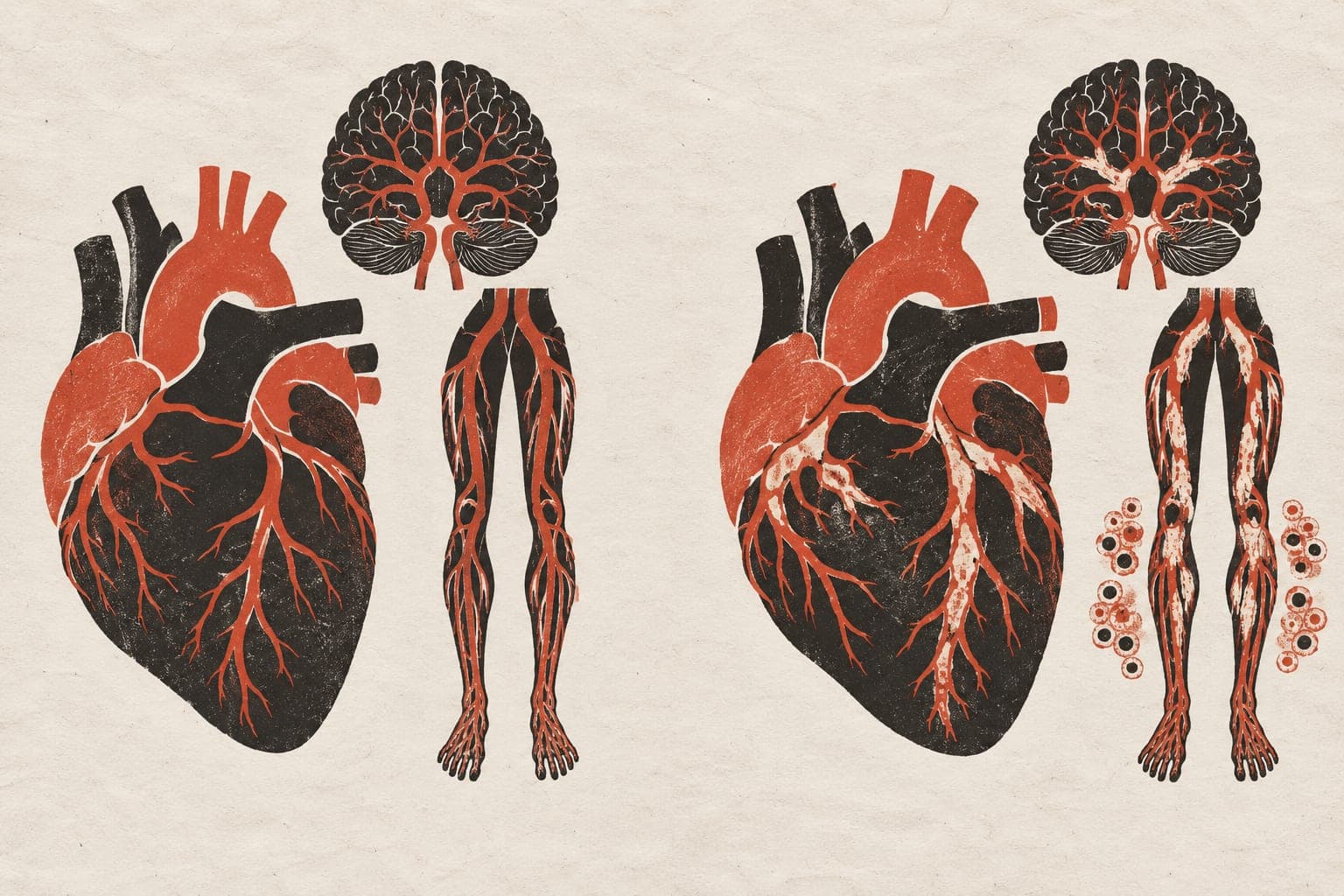
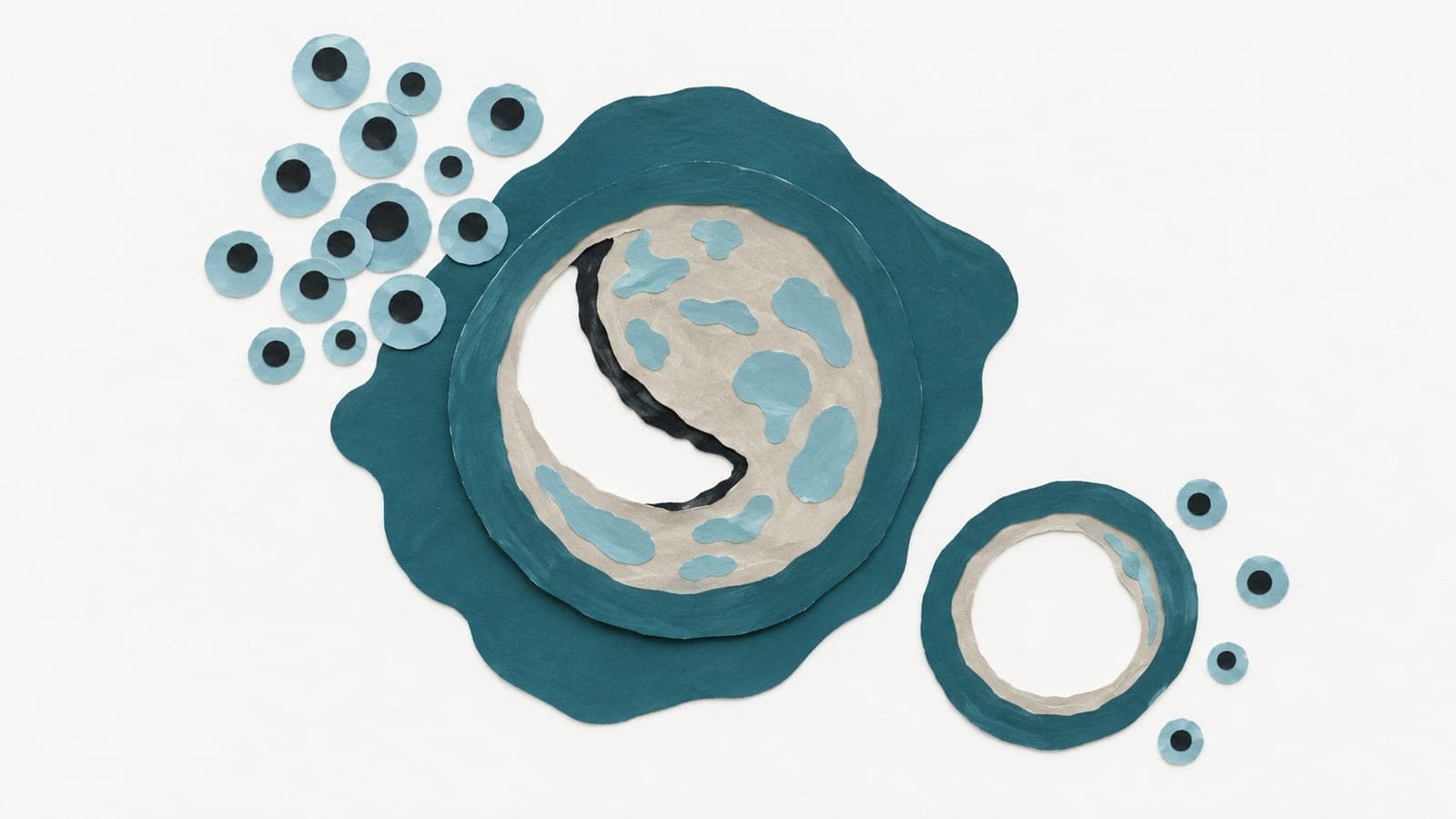
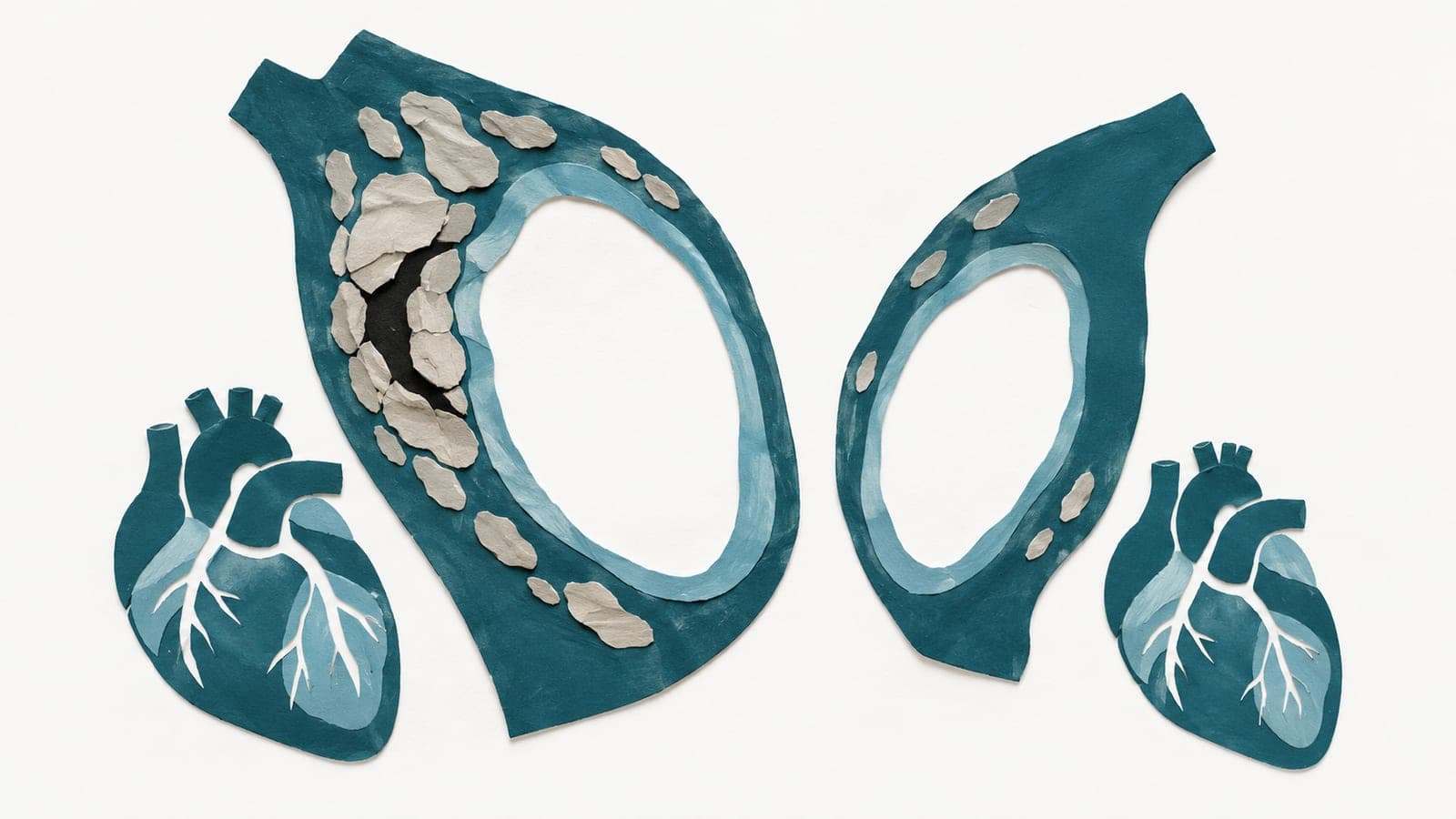
BACKGROUND: The underlying mechanisms of atherosclerosis and strategies for identifying high cardiovascular risk in psoriasis are incompletely understood. Platelet activity is increased in psoriasis and induces vascular dysfunction. We investigated the platelet phenotype and platelet transcriptome as one potential mechanism to explain cardiovascular risk in psoriasis. METHODS: Psoriasis and controls underwent platelet aggregation and activation studies and platelet RNA sequencing to generate a psoriasis platelet transcriptomic score. The relationship between the platelet transcriptomic score and cardiovascular risk was assessed by arterial stiffness, coronary calcium, and longitudinally in an independent cohort of high cardiovascular-risk individuals undergoing lower extremity arterial revascularization. RESULTS: Psoriasis subjects (n=73; median age, 51 years; body surface area of psoriasis, 3%) compared with controls (n=56; median age, 41 years) trended older (P=0.08) and had greater body mass index (P=0.01) and higher hs-CRP (high-sensitivity C-reactive protein) values (P=0.01). Platelet aggregation in response to collagen (P=0.0049) and ADP (P=0.033), and leukocyte-, neutrophil-, and lymphocyte-platelet aggregates (P<0.05 for each comparison) were all higher in psoriasis versus controls. Platelet RNA sequencing comparing 51 patients with psoriasis with 39 controls identified 329 upregulated and 345 downregulated genes (P<0.05). Pathway analysis identified dysregulated platelet activation, apoptosis, VEGF (vascular endothelial growth factor), interferon, senescence, IL (interleukin)-1, and clotting cascade signaling between psoriasis and controls. Using a phenotypic rank-based scoring methodology, a psoriasis platelet transcriptomic score comprised of 142 genes differentiated psoriasis from controls. This score correlated with arterial stiffness (r=0.26; P=0.031) and coronary calcium (r=0.58; P=0.0069). In a separate cohort of high cardiovascular-risk patients undergoing lower extremity arterial revascularization, the psoriasis platelet transcriptomic score associated with incident myocardial infarction (adjusted hazard ratio, 3.7 [95% CI, 1.4-10.1]; P=0.015). CONCLUSIONS: Platelet aggregation and activation are increased in patients with controlled psoriatic disease, with the platelet transcriptome associated with proinflammatory, proatherothrombotic pathways, and cardiovascular risk. Our results warrant further investigation of platelet involvement promoting heightened cardiovascular disease in psoriasis.
The paper
Brigham and Women's Hospital
Arteriosclerosis, Thrombosis, and Vascular Biology, 4 Sep 2025