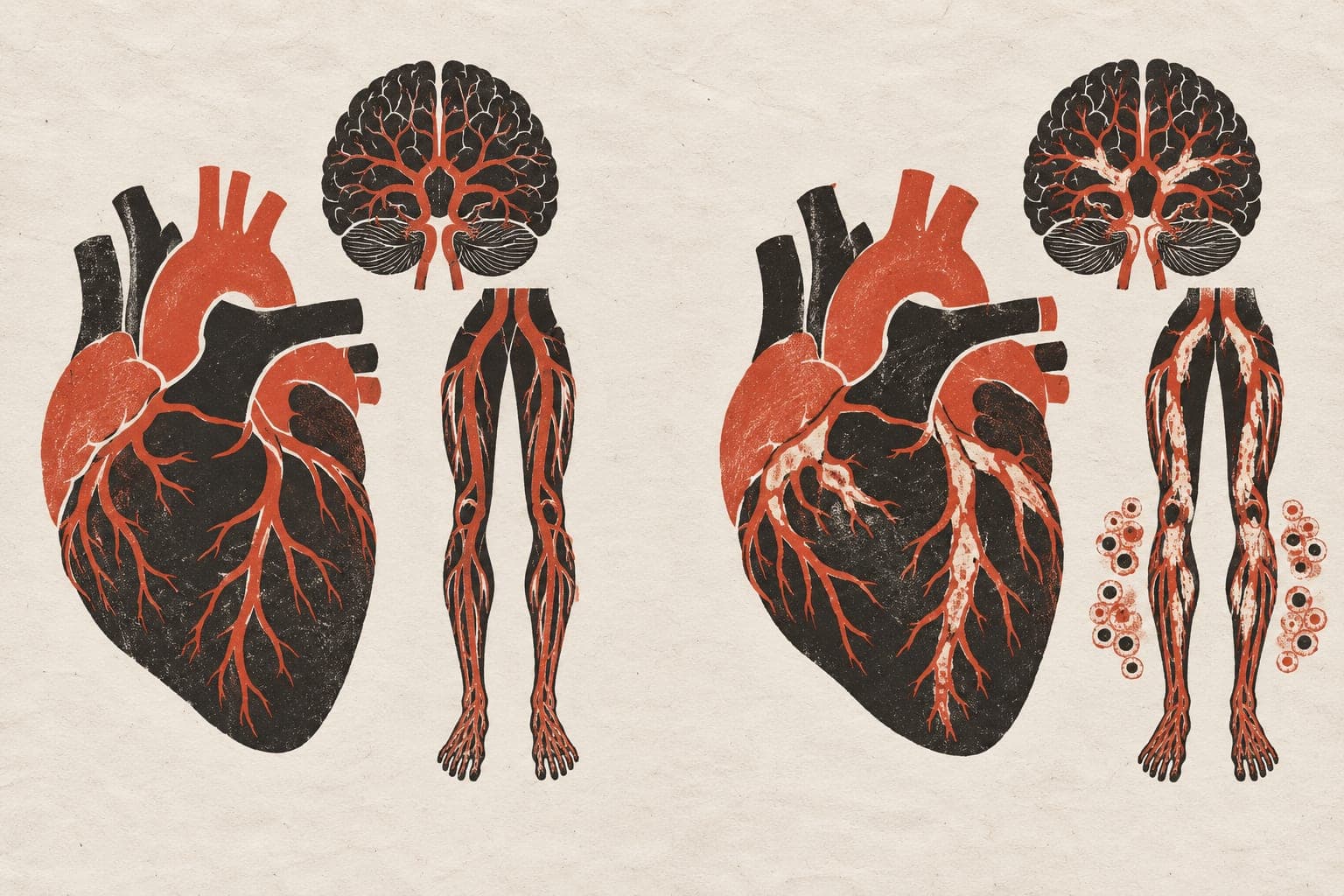
Immune profile linked to heart artery disease in people with HIV
The high-inflammation group had 2.42 times the adjusted odds of substantial heart artery narrowing compared with the low-inflammation reference group.
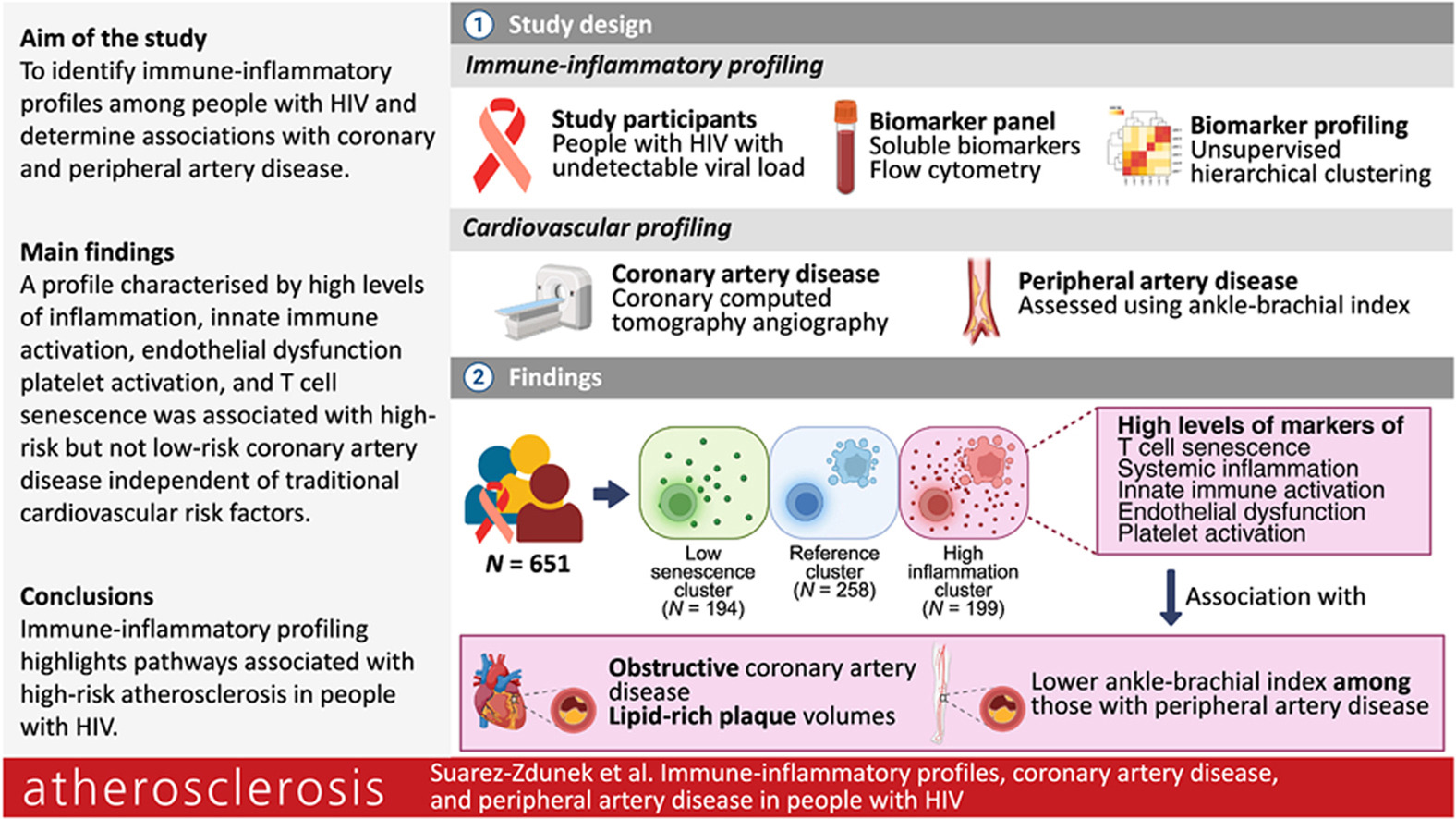
Researchers studied 651 people with HIV, the human immunodeficiency virus, in an observational study. All had undetectable viral RNA, the virus’s genetic material. The researchers measured 25 markers of immune activity and inflammation, scanned heart arteries and compared ankle and arm blood pressure to assess artery disease in the limbs.
The analysis identified three groups. The high-inflammation group had a high proportion of senescent T cells—immune cells in a state of stopped division—and high levels of markers of inflammation and impaired blood-vessel lining function. Compared with the low-inflammation reference group, it had higher odds of obstructive coronary artery disease, meaning substantial narrowing of the arteries supplying the heart, and larger volumes of fat-rich artery deposits. The researchers accounted for age, sex and several cardiovascular risk factors. Among participants with artery disease in the limbs, this group also had a lower ankle-to-arm blood-pressure ratio.
Why it matters
By examining immune-cell senescence alongside inflammation, the study bears on how cellular processes relevant to aging may relate to fatty build-up in arteries.
Caveats
The observational analysis could not show that the immune profile caused artery disease. It included only people with HIV who had undetectable viral RNA.