Sorting of senescent cells by flow cytometry: Specificities and pitfalls to avoid
Abstract
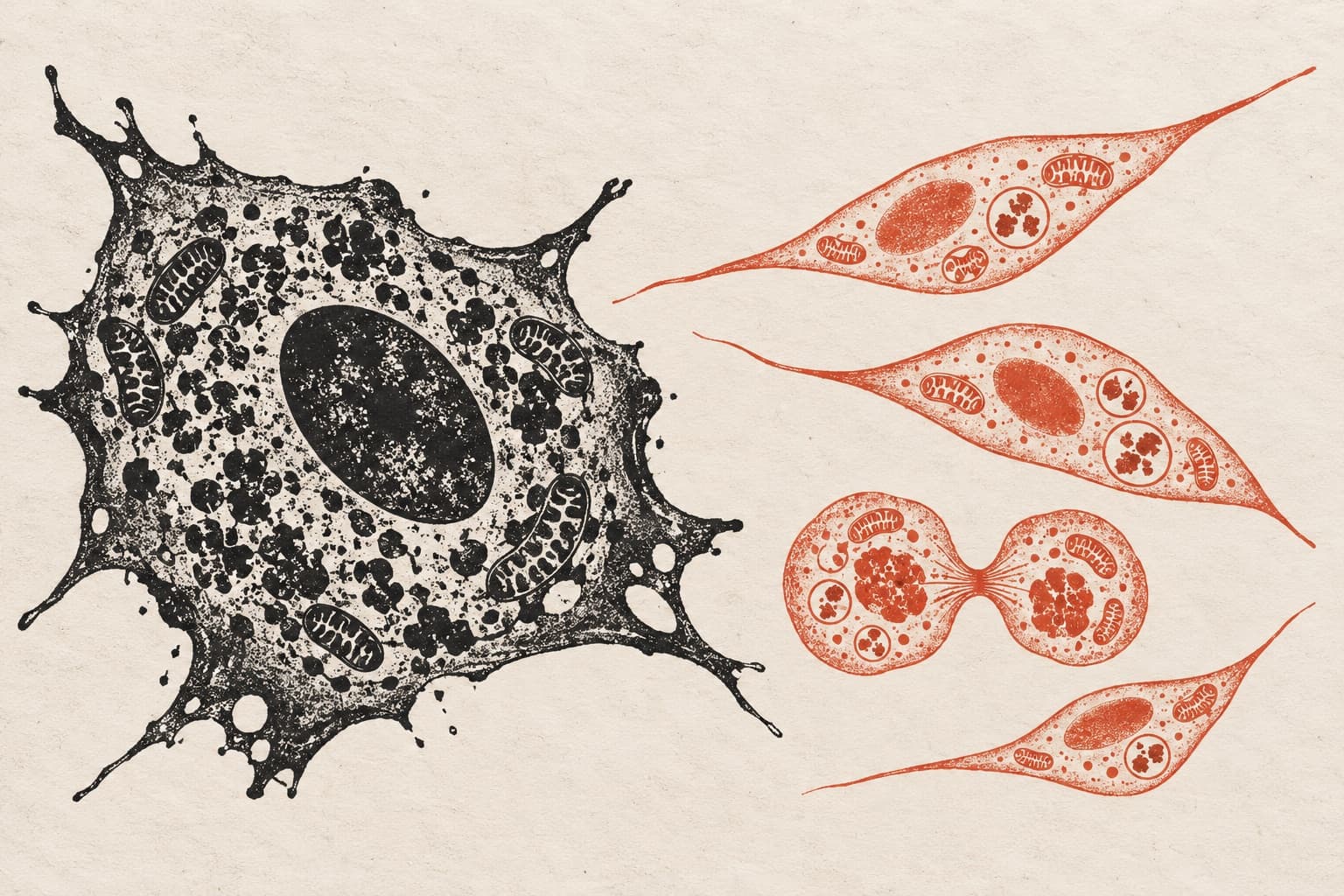
Cells can be reprogrammed into senescence to adapt to a variety of stresses, most often affecting the genome integrity. Senescent cells accumulate with age or upon various insults in almost all tissues, and contribute to the development of several age-associated pathologies. Studying the molecular pathways involved in senescence induction, maintenance, or escape is challenged by the heterogeneity in the level of commitment to senescence, and by the pollution of senescent cell populations by proliferating pre- or post-senescent cells. We coped with these difficulties by developing a protocol for sorting senescent cells by flow cytometry, based on three major senescence markers : the SA-β-Galactosidase activity, the size of the cells, and their granularity reflecting the accumulation of aggregates, lysosomes, and altered mitochondria. We address the issues related to sorting senescent cells, the pitfalls to avoid, and propose solutions for sorting viable cells expressing senescent markers at different extents.
- Resources: datasets, atlases and tools
- Cellular senescence
- Proteostasis
- Cell granularity
- Cell size
- Senescence-associated beta-galactosidase
The paper
Centre National de la Recherche Scientifique
Medecine Sciences, 22 Mar 2024, Open access