Retaining immune cells formed protective clusters in mice
Keeping immune cells in mouse tissues or increasing their numbers produced clusters across several organs without associated signs of disease.
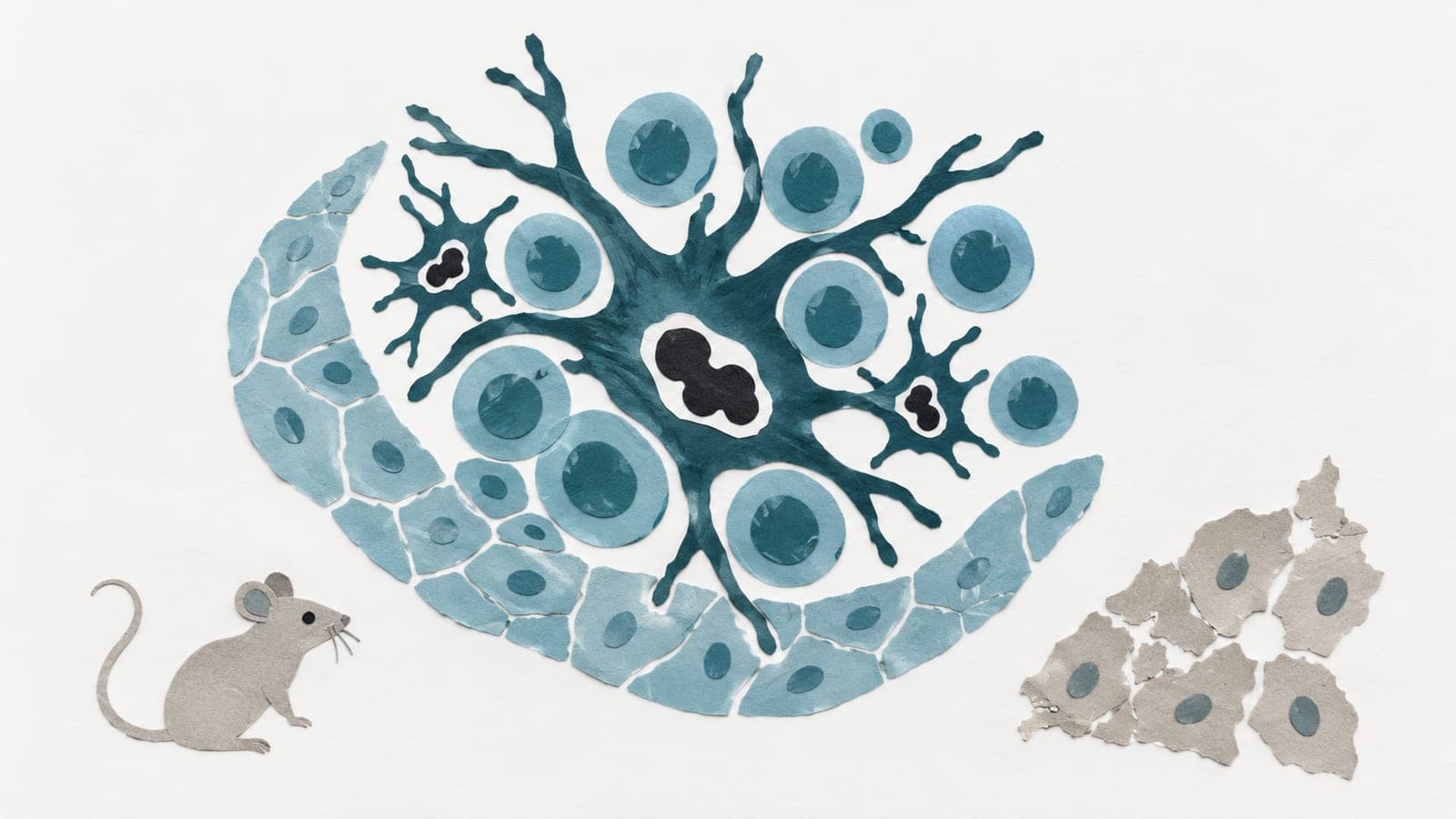
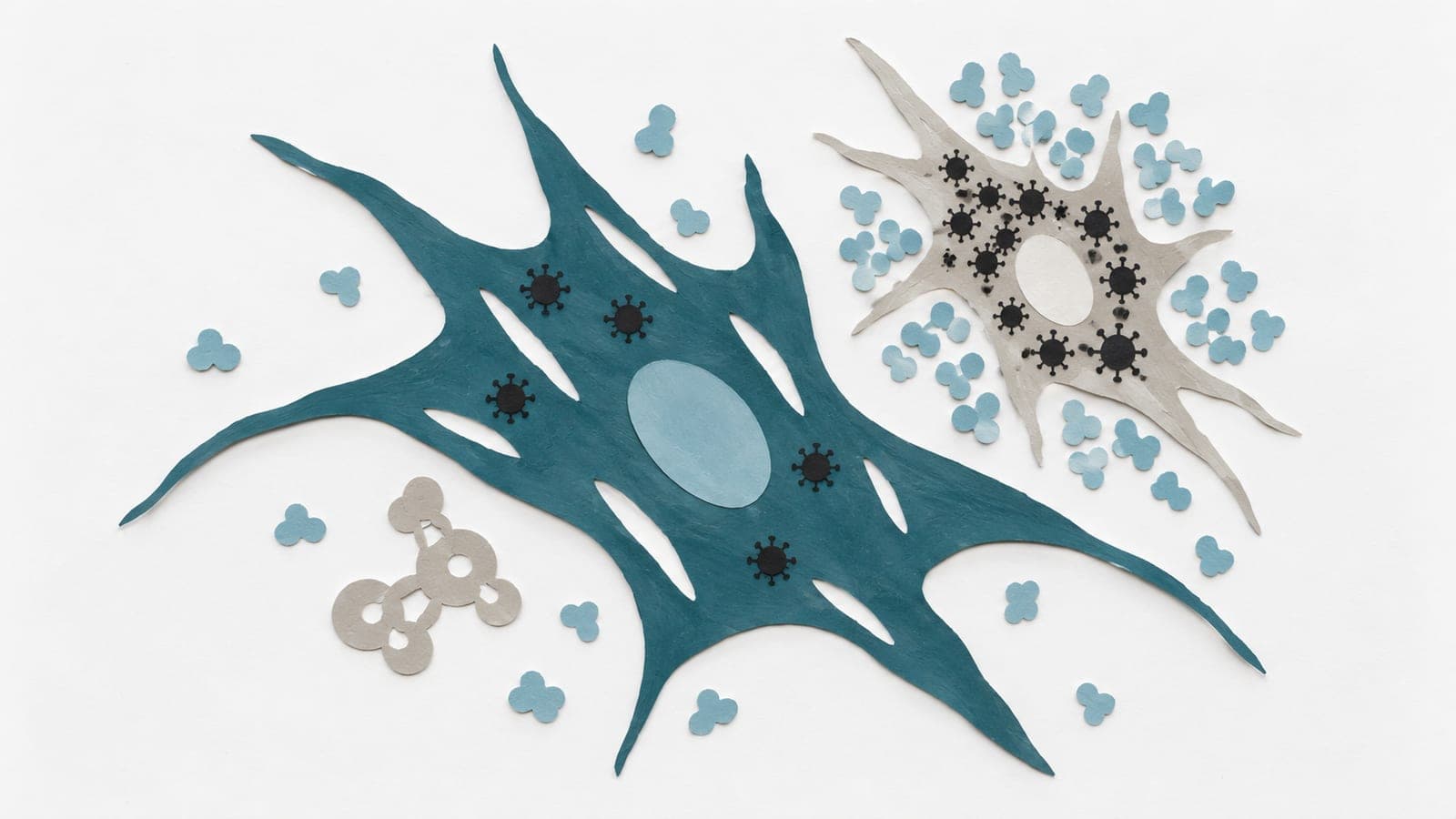
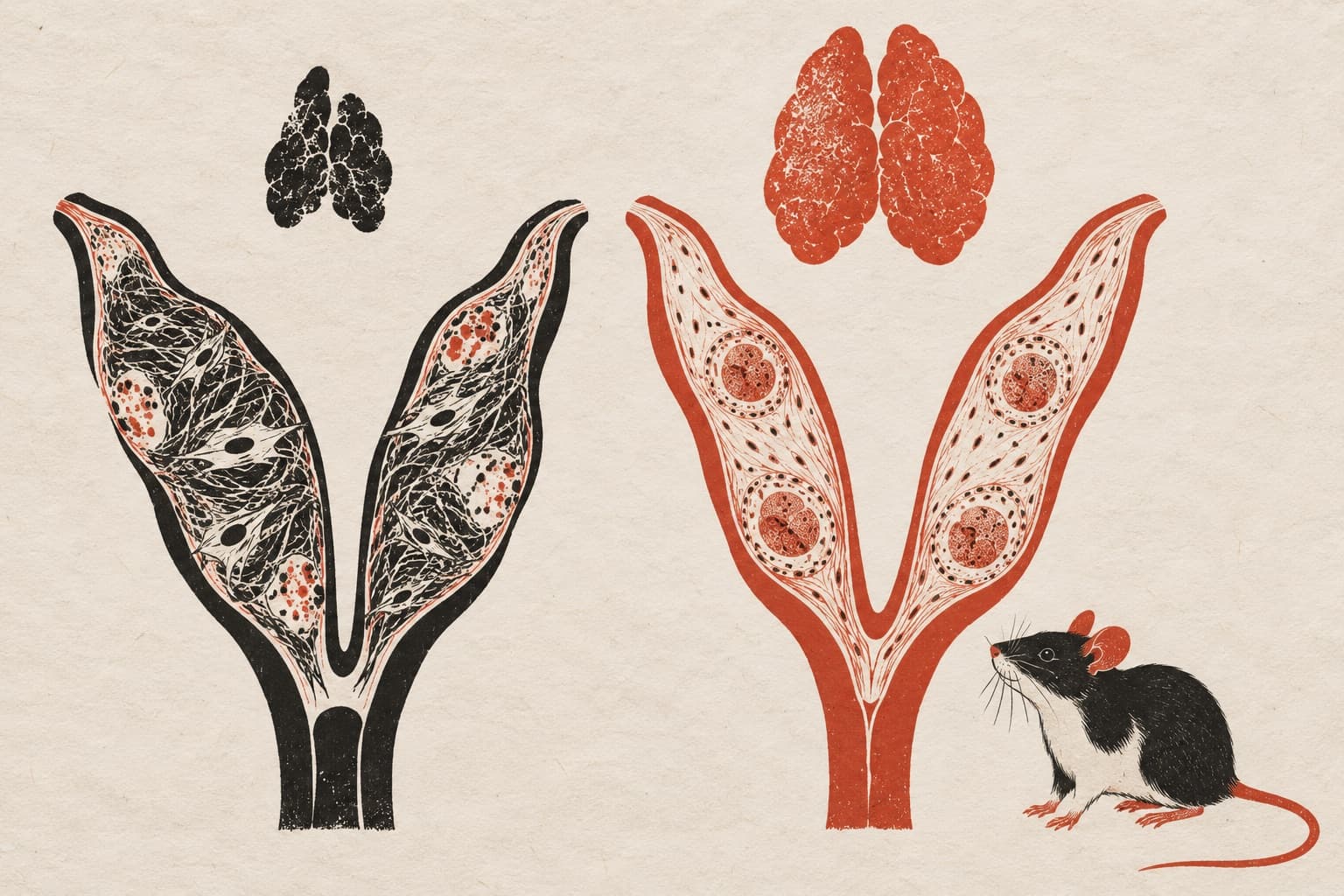
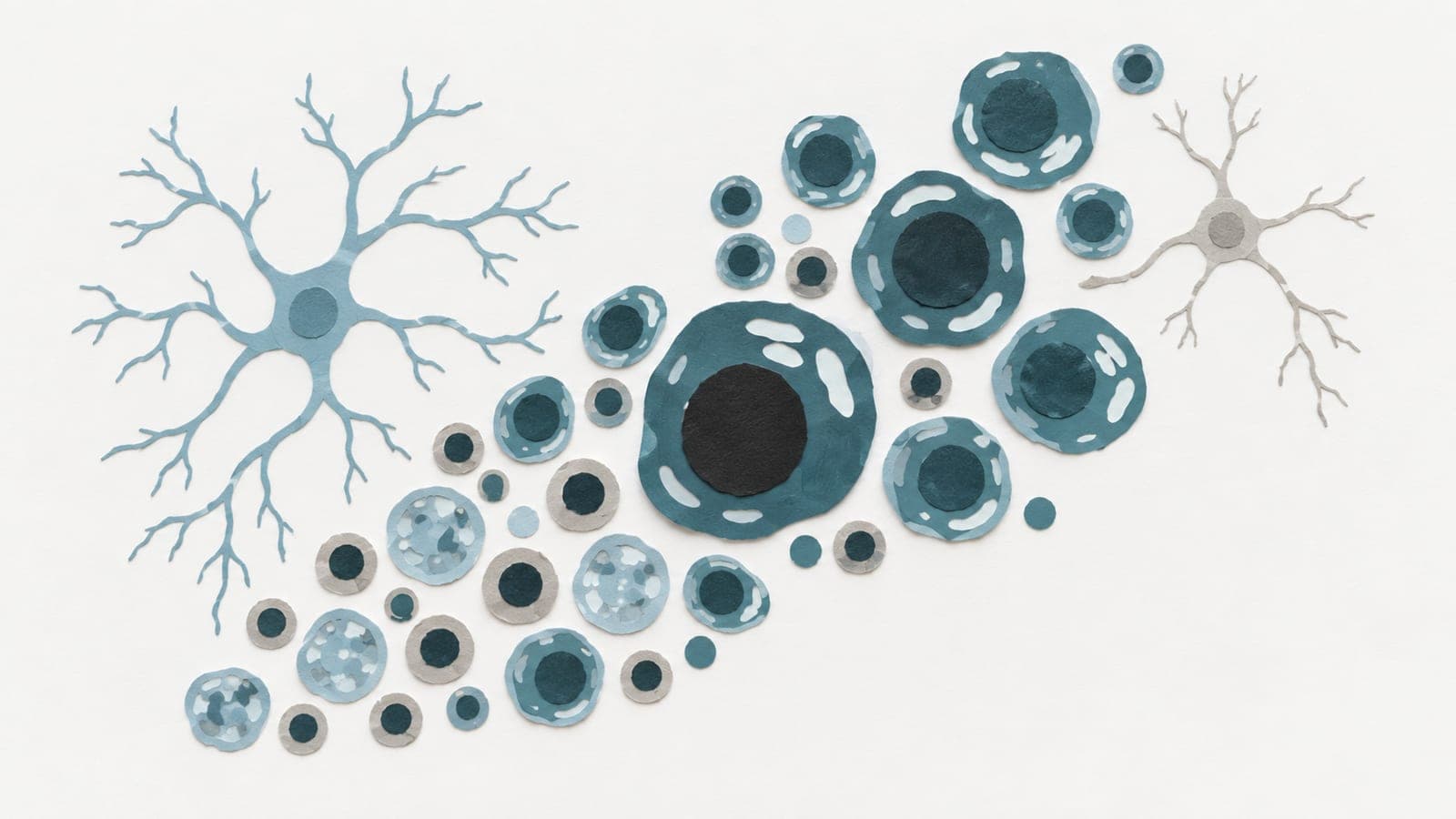
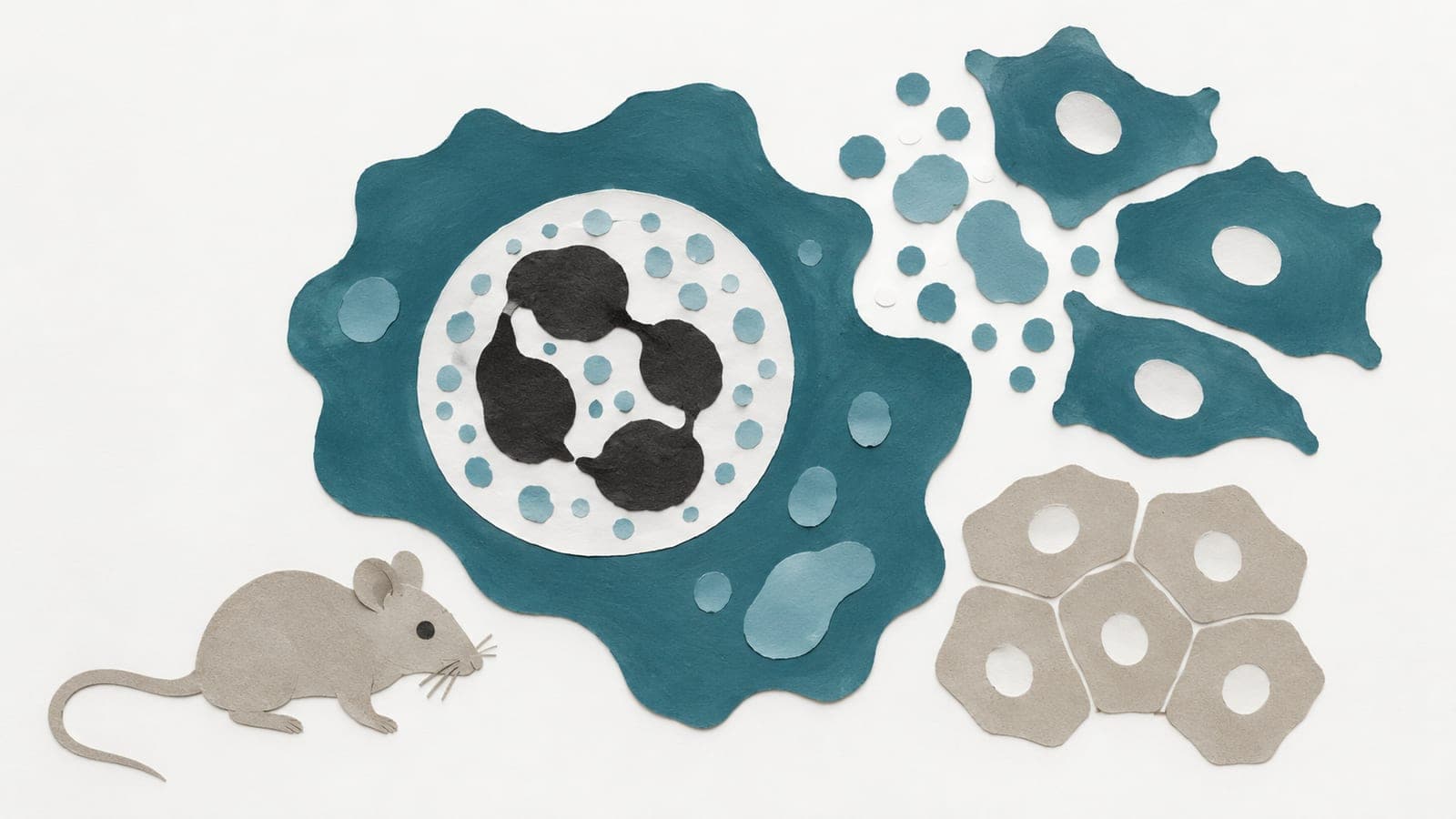
In mouse experiments, researchers induced new immune-cell clusters by restricting the exit of mature conventional dendritic cells from tissues or using drugs to increase their numbers. Dendritic cells help other immune cells recognise threats. The clusters formed across multiple organs without associated signs of disease. The researchers also found these mature dendritic cells accumulated within similar structures in aged mouse and human tissues.
Tissue signals associated with senescence, a state in which cells stop dividing, were required for the clusters to begin forming. These signals promoted a distinct state of dendritic cell maturation. Unlike inflammatory structures described in disease, the mouse clusters preferentially gathered tissue-adapted regulatory T cells, immune cells that limit immune responses. The clusters protected against inflammatory injury.
Why it matters
Immune-cell clusters arise spontaneously with age, but their function remains unclear. This work addresses whether aging tissues organise immune responses in ways that support regulation rather than only inflammation.
Caveats
The protective effects were tested in mice, not people. The paper is a preprint and has not yet been peer-reviewed.
- Cellular senescence
- Immune response
- Inflammation
- Inflammatory injury
- Mature conventional dendritic cell accumulation
- Mice
The paper
Tissue retention of dendritic cells drives age-associated protective tolerogenic lymphoid structures
Genentech Inc
bioRxiv, 11 Oct 2026, CC BY-NC-ND, Preprint, not peer-reviewed