Effects of multicomponent exercise combined with nutritional intervention on global cognitive function and depressive symptoms in older adults: a systematic review and meta-analysis
Abstract
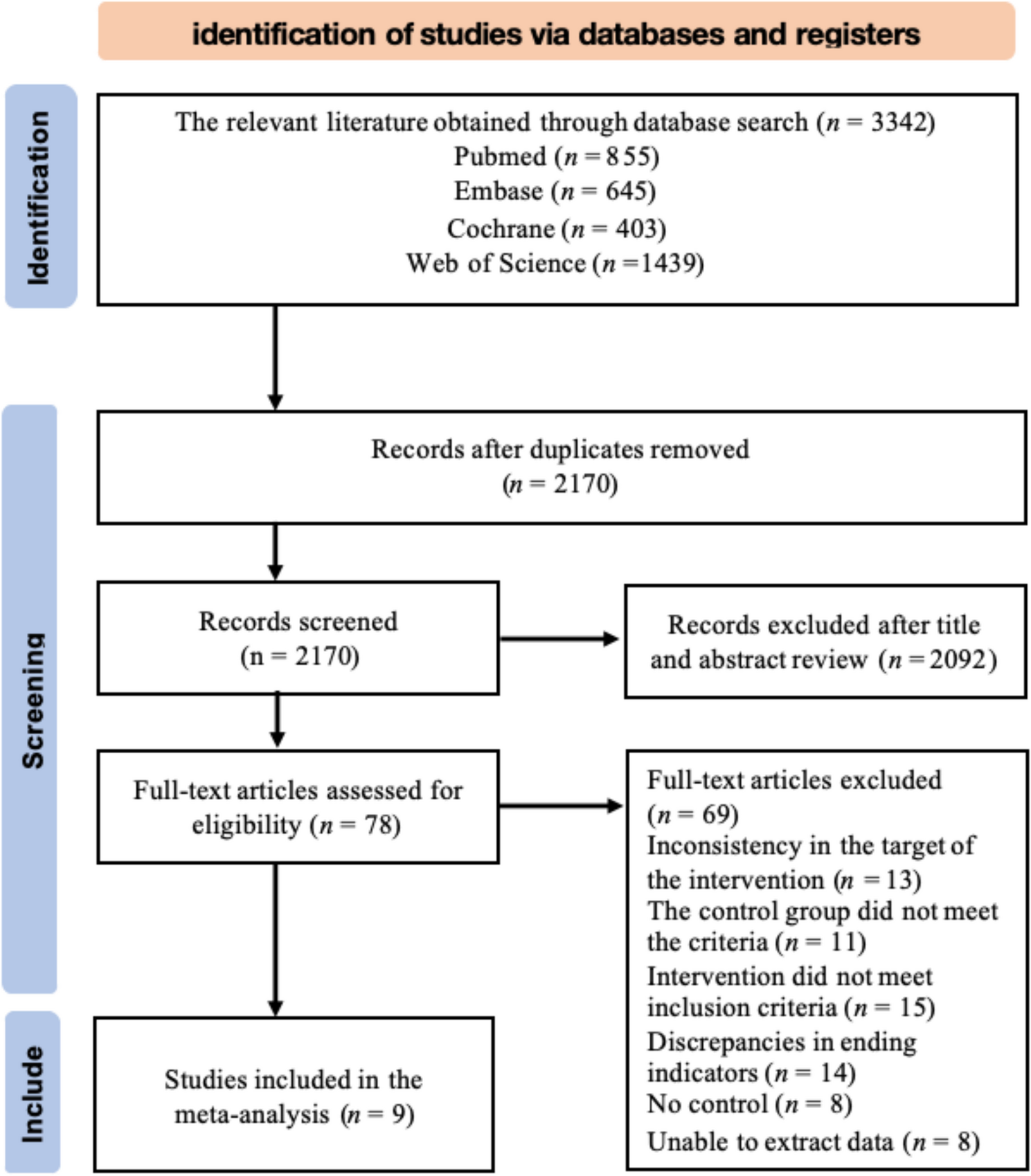
Objective: To systematically evaluate the effects of multicomponent exercise (ME) combined with nutritional intervention on global cognitive function and depressive symptoms in older adults. Methods: A systematic search was conducted in PubMed, Embase, Web of Science, and Cochrane Library for randomized controlled trials (RCTs) published from inception to June 30, 2026. Participants were older adults aged ≥ 60 years. Interventions were required to include both ME and nutritional intervention. Primary outcomes were global cognitive function and depressive symptoms. Hedges‘ g was used as the effect size measure, and a random-effects model was prespecified as the primary model for all pooled analyses. Subgroup analyses and sensitivity analyses were also performed. Results: A total of 9 RCTs involving 1,814 participants were included. Of these, 7 studies contributed data on global cognitive function and 5 studies contributed data on depressive symptoms. Meta-analysis showed that ME combined with nutritional intervention may improve global cognitive function ( g = 0.31, 95% CI: 0.08 ~ 0.54) and depressive symptoms ( g = -0.51, 95% CI: -0.93~-0.09) in older adults, but moderate-to-high heterogeneity was observed in both global cognitive function ( I² = 68.54%) and depressive symptoms ( I² = 63.54%) analyses. Subgroup analyses showed no statistically significant between-subgroup differences by nutrition type, baseline cognitive status, or exercise modality ( P > 0.05), and only intervention duration showed a significant subgroup difference for global cognitive function ( P < 0.001). Conclusion: ME combined with nutritional intervention may have a small beneficial effect on global cognitive function and depressive symptoms in older adults. However, the current evidence is limited by the small number of included studies, moderate-to-high heterogeneity, underpowered subgroup analyses, and potential publication bias. The trim-and-fill-adjusted estimates for both global cognitive function and depressive symptoms were attenuated, and their 95% confidence intervals crossed zero, indicating sensitivity to potential publication bias. These conclusions should be regarded as exploratory and interpreted with caution. Future high-quality RCTs with larger sample sizes, longer follow-up periods, and standardized intervention protocols are needed for validation.