Poorer thinking and more depressive symptoms linked to cancer
Against the favourable pattern, the poorer pattern had hazard ratios of 1.23, 2.05 and 1.61, comparing cancer risk over time across three cohorts.
Multicentre
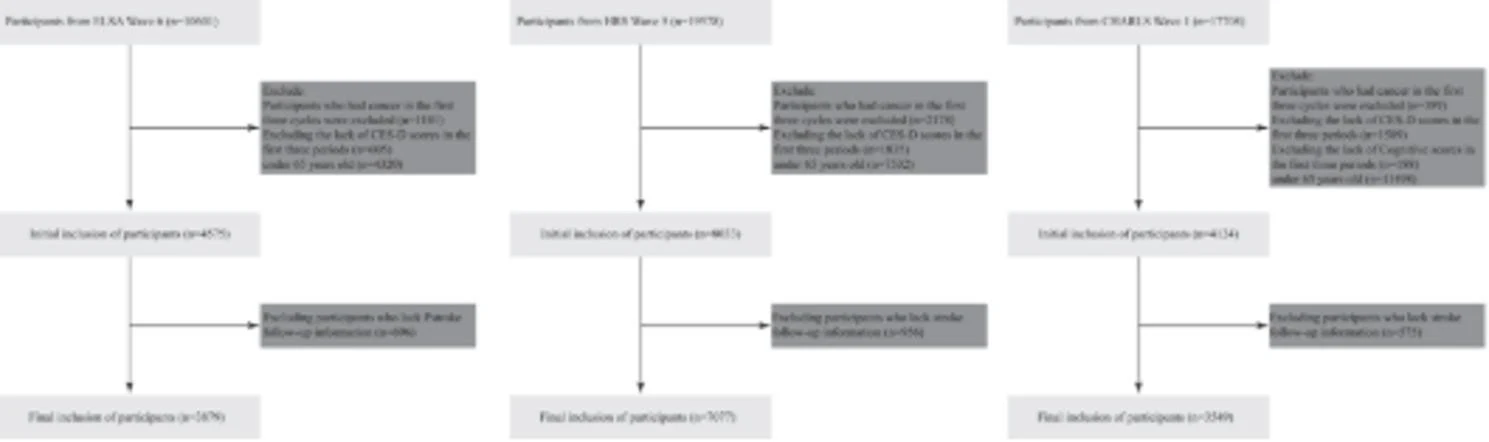
An observational study followed cancer-free adults aged 65 or older in three population-based cohorts of 7,077, 3,879 and 3,549 people. Participants had at least three assessments of cognition, meaning thinking skills, and depressive symptoms. Researchers grouped their patterns over time and examined later cancer diagnoses. Median follow-up lasted 10, 6 and 8 years, respectively.
Each cohort had two groups: better cognition with fewer depressive symptoms, and poorer cognition with more symptoms. The poorer pattern was associated with higher cancer risk. Hazard ratios, which compare cancer risk over time between groups, were 1.23, 2.05 and 1.61, respectively, against the more favourable pattern. The association held across several statistical models.
Why it matters
Cognitive decline and depressive symptoms commonly occur together during aging. Tracking their joint course may offer a behavioural and psychological indicator for assessing cancer risk in older adults.
Caveats
The observational design cannot establish that these patterns caused cancer. Their usefulness for assessing individual cancer risk or preventing cancer still needs validation in further studies that follow people over time.