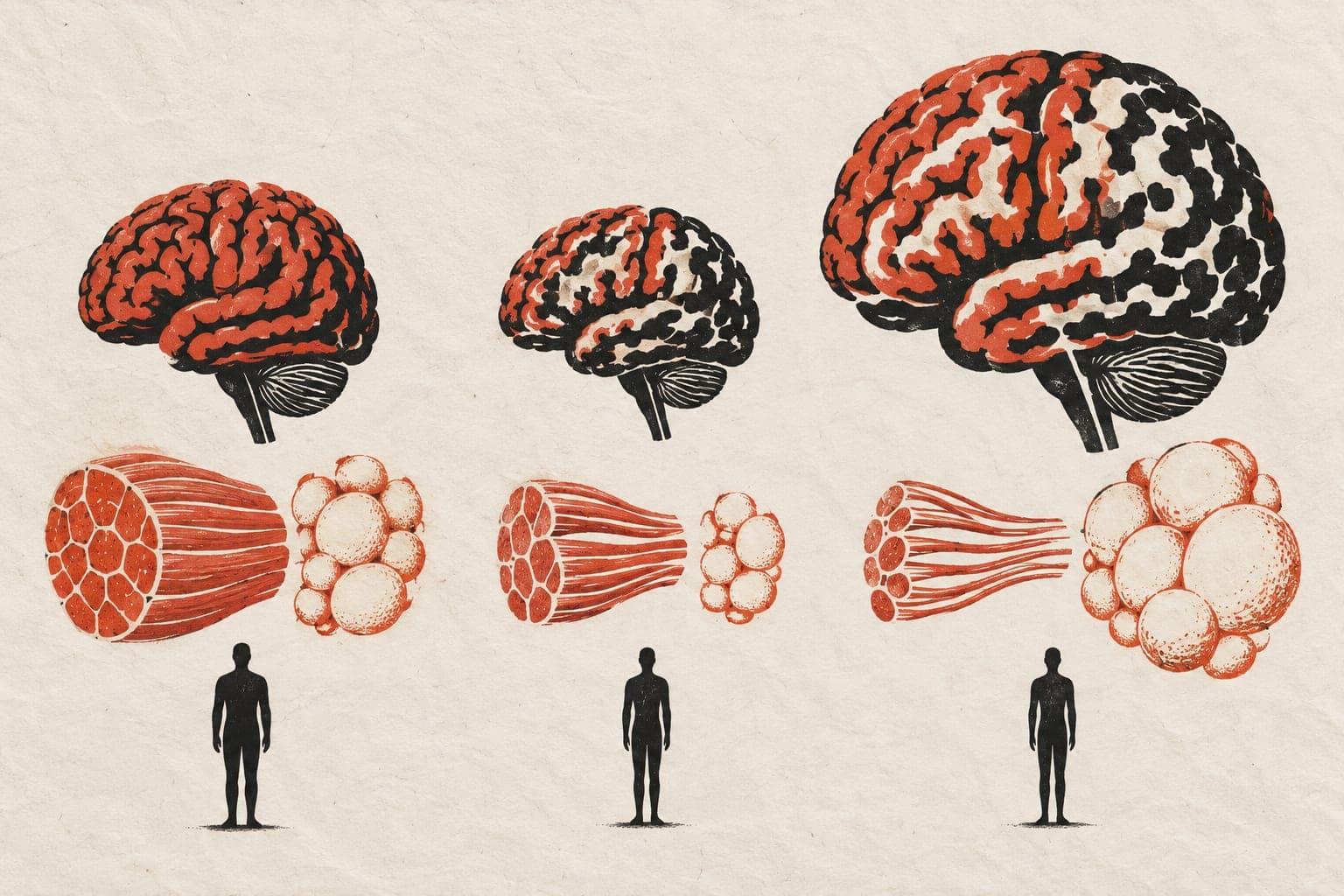
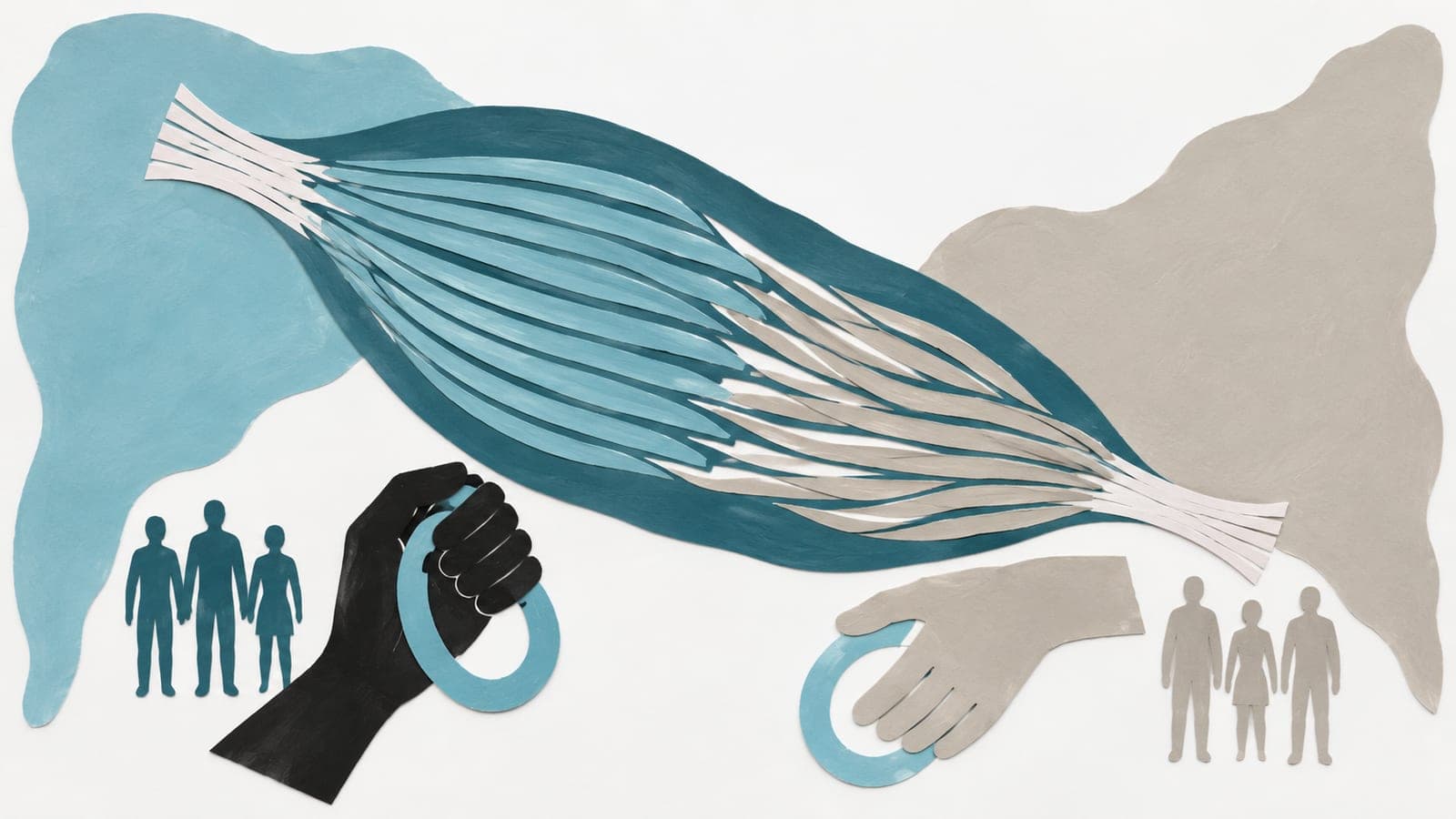
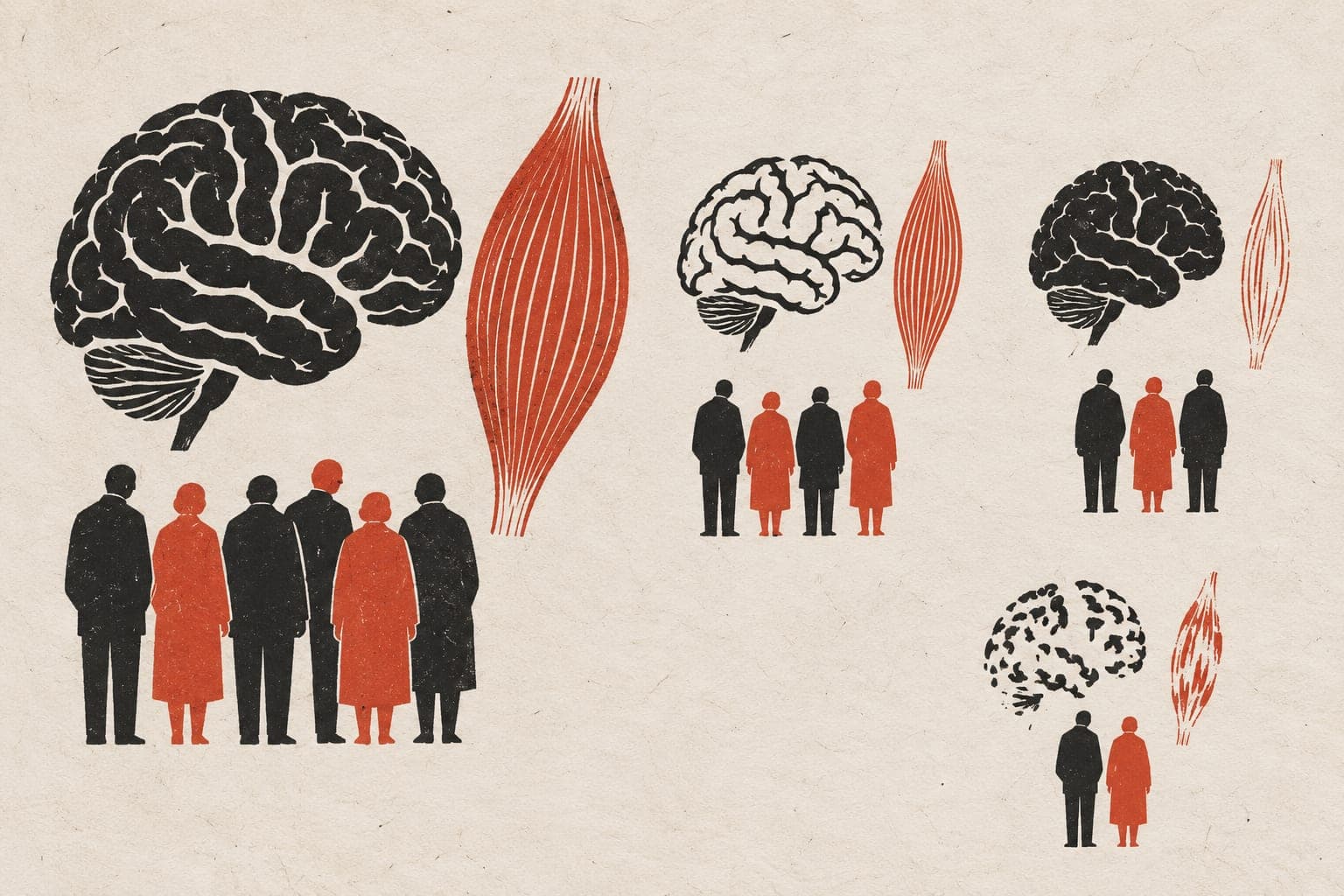
Sleep and muscle problems linked to rising depressive symptoms
Adults with both problems were linked to rapidly rising rather than persistently low depressive symptoms, with an odds ratio of 4.130.
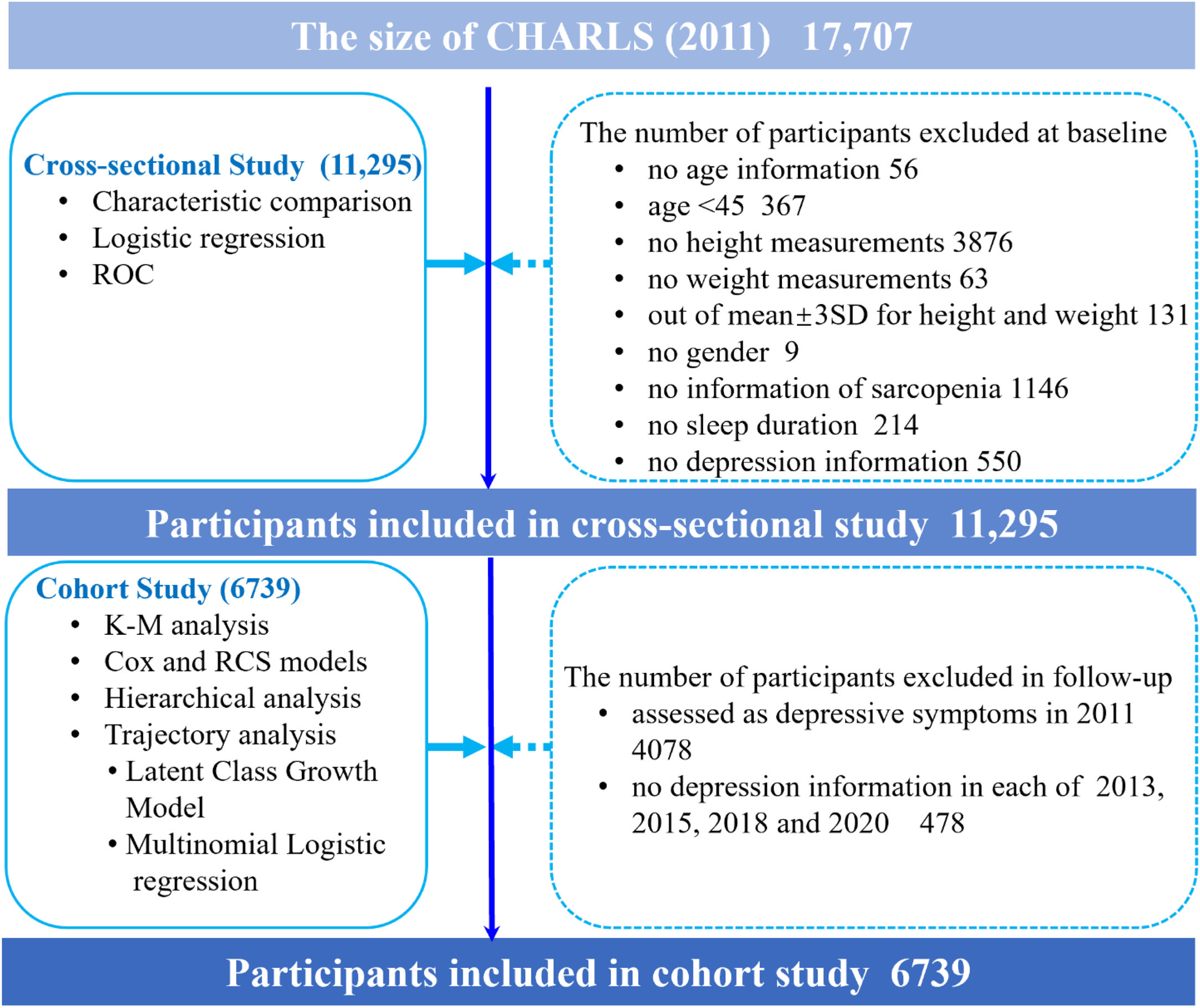
Adults aged 45 and older from the China Health and Retirement Longitudinal Study were studied in an observational analysis. Researchers examined sleep duration, sarcopenia—a condition involving reduced muscle mass and strength—and depressive symptoms measured with a questionnaire. They defined unusual sleep duration as less than six or more than eight hours.
The researchers identified three patterns of depressive symptoms: persistently low, slowly rising and rapidly rising. After accounting for factors including age, smoking and chronic diseases, having both conditions was associated with rapidly rising rather than persistently low symptoms. The odds ratio, a measure of the strength of an association, was 4.130. The combination was also linked to slowly rising symptoms and to the first onset of depressive symptoms.
Why it matters
The study addressed how muscle decline and sleep duration relate to mental health from midlife onwards. The authors highlighted the potential value of assessing sleep and muscle health together when managing worsening depressive symptoms.
Caveats
This observational study could not establish that sleep duration or sarcopenia caused worsening symptoms. A questionnaire assessed depressive symptoms, not a clinical diagnosis of depression.
The paper
Shihezi University; Capital Medical University
Psychiatry Research, 5 Oct 2026