Depression links to hospital stays mainly in frail older adults
In 6,104 older adults, each 5-point rise in depressive symptoms carried an odds ratio for hospital admission of 1.25 in frail people versus 1.00 in robust peers.
Journal of Affective Disorders
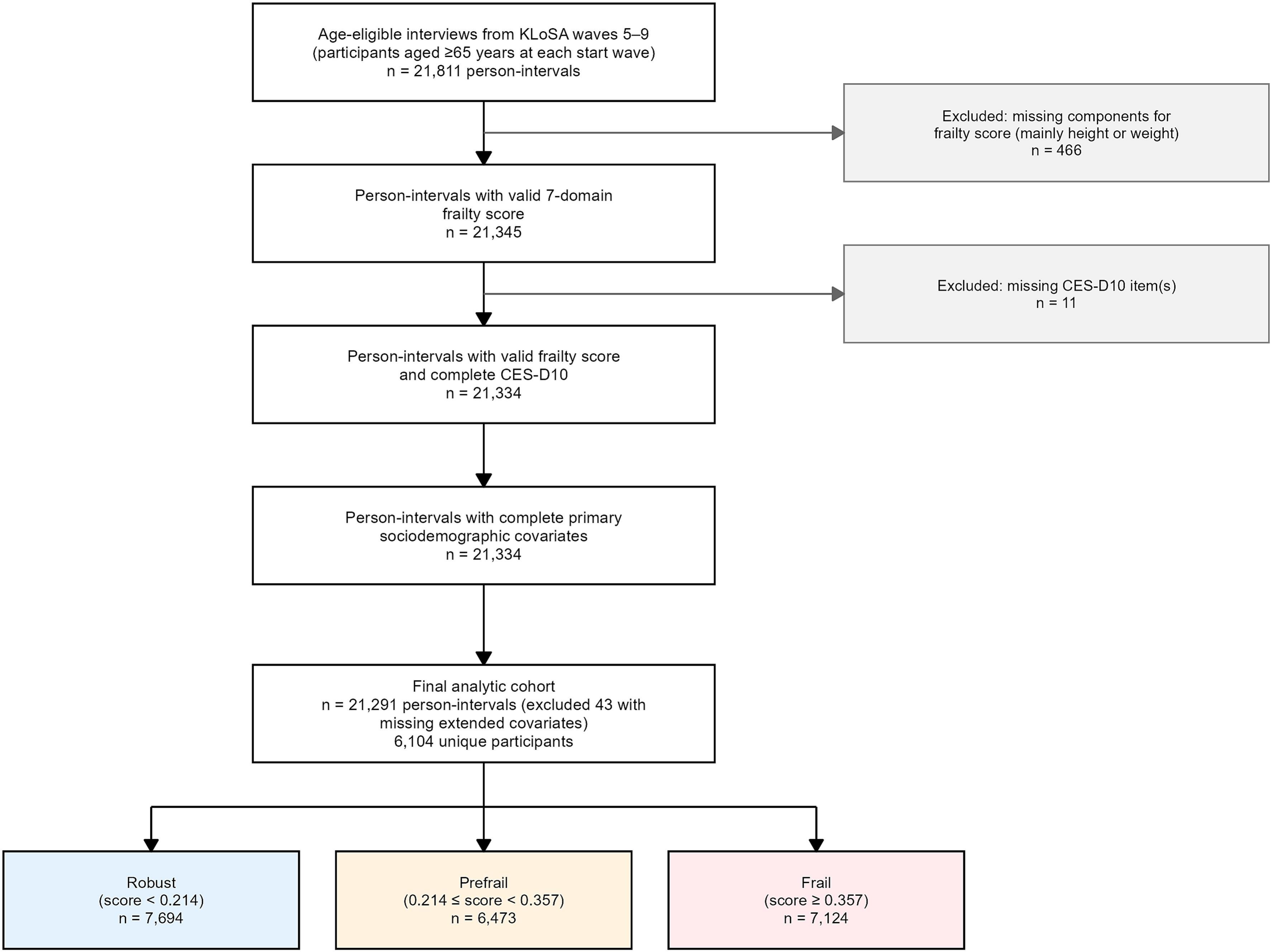
Researchers analysed data from 6,104 community-dwelling adults aged 65 and older in South Korea across 21,291 two-year intervals. In this observational cohort study, they tracked participants between 2014 and 2024 to examine how frailty influenced the links between depressive symptoms, healthcare use, and mortality. Higher depressive scores were linked to fewer outpatient visits regardless of frailty status. However, for hospital admissions, each 5-point rise on a 10-item symptom scale was associated with an adjusted odds ratio of 1.25 in frail individuals, compared to 1.00 in robust participants. A similar pattern was observed for death, with an adjusted odds ratio of 1.31 in frail adults versus 1.00 in robust peers, although this relationship varied across analytical models. No clear interaction emerged for admissions to long-term care hospitals.
Why it matters
Late-life depression is common in older people and shapes how they use healthcare services. Examining whether physical frailty modifies these outcomes bears on how vulnerability in later life influences severe risks such as hospitalisation.
Caveats
Healthcare use was self-reported over a two-year recall period, which may introduce reporting errors. The study also relied on a symptom screening questionnaire rather than a clinical diagnosis of major depression, lacked standardised cognitive testing, and found that the mortality link was sensitive to model specifications.
The paper
Show 3 more authors
Yoon Hee Choi, Yunhyung Choi, Ki-Hun Hong,Chung-Ang University Gwangmyeong Hospital
Journal of Affective Disorders · 8 Oct 2026