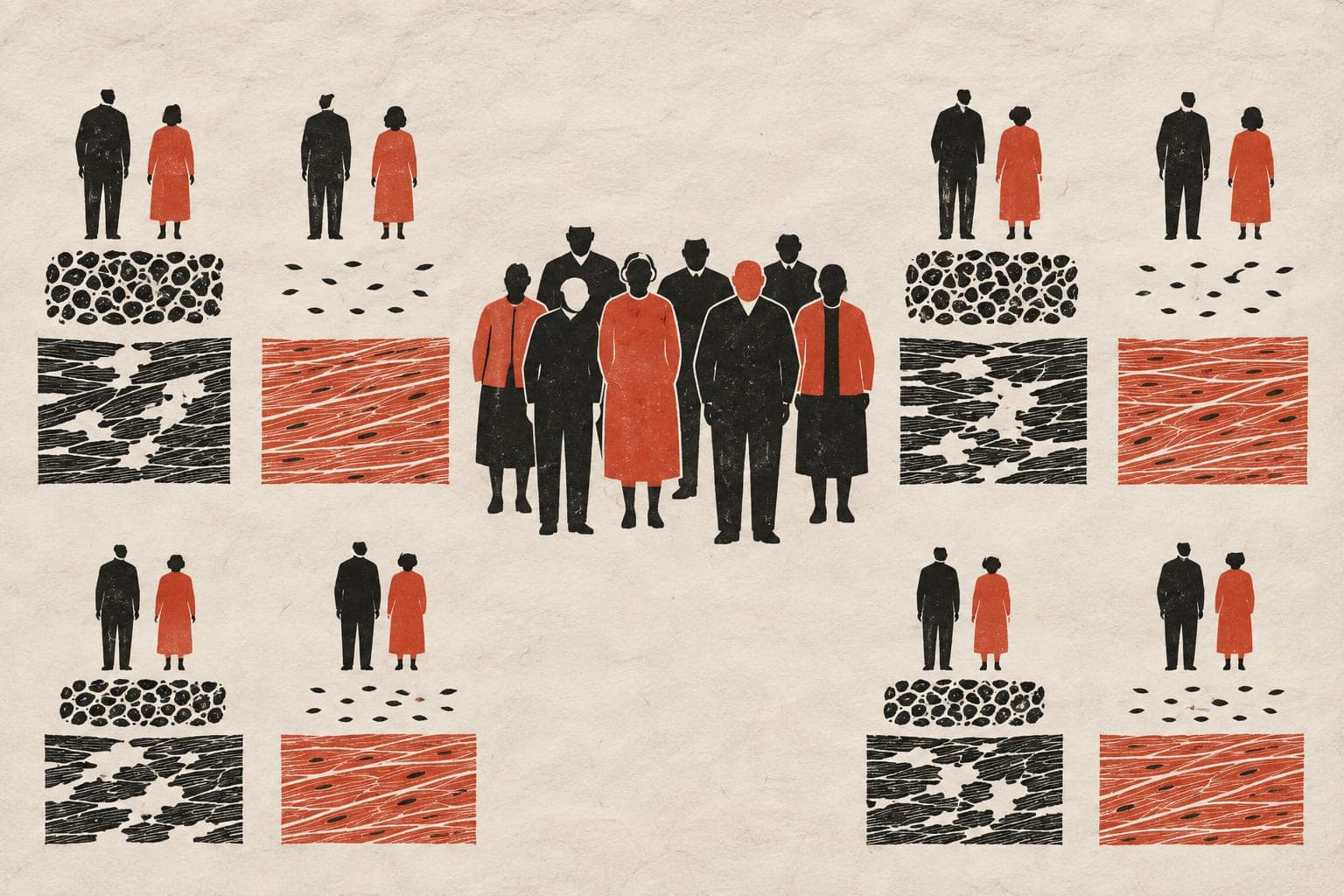
More functional deficits linked to depression and anxiety
Scores of four or more versus zero were linked to higher risks of depression and anxiety, with hazard ratios of 3.96 and 3.03, respectively.
Psychological Medicine
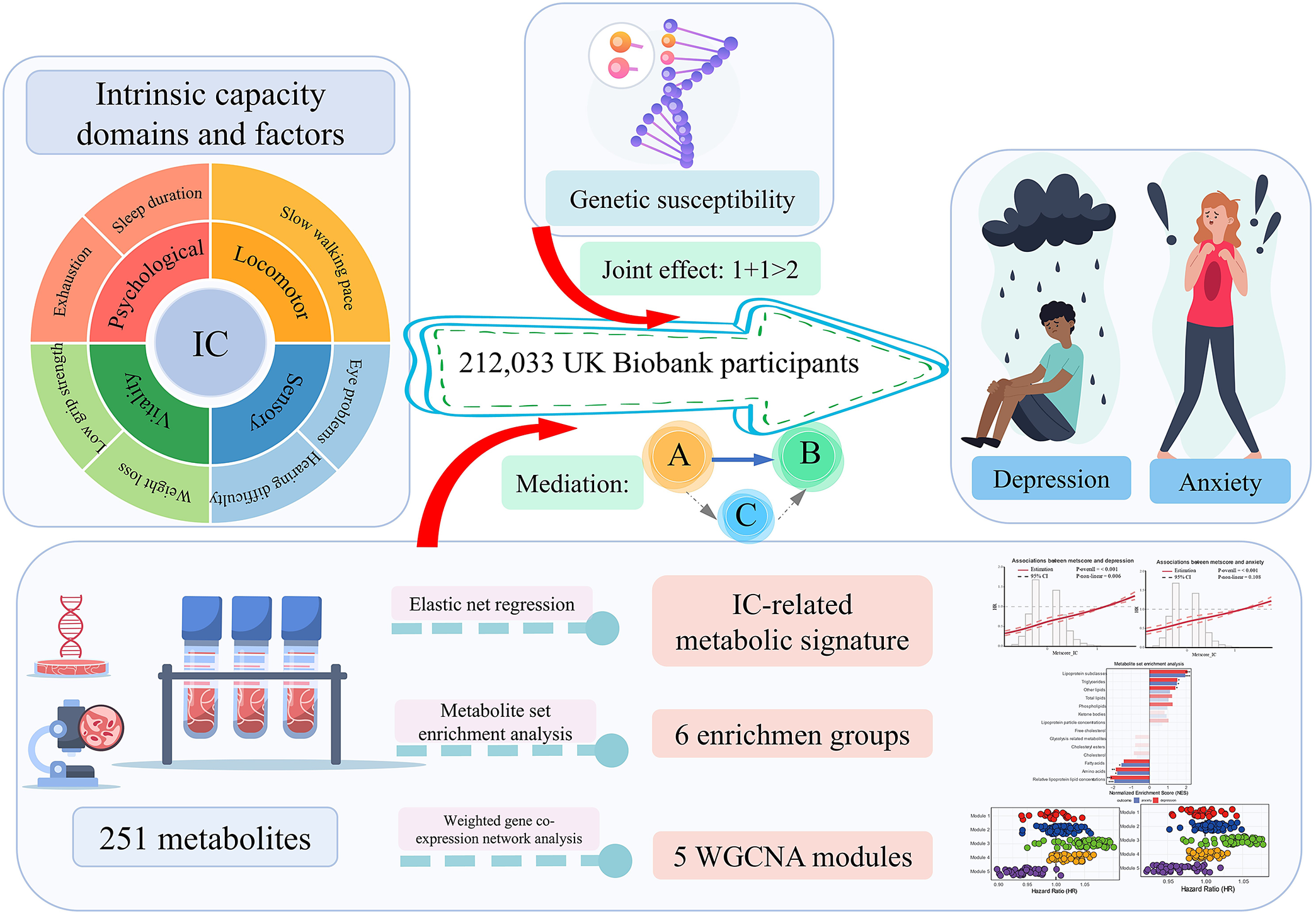
This prospective observational cohort study included 212,033 UK Biobank participants recruited between 2006 and 2010. Researchers assessed intrinsic capacity, physical and mental abilities relevant to healthy aging. They calculated an adapted deficit score using seven indicators across mental function, senses, vitality and movement.
Scores of four or more, compared with zero, were associated with hazard ratios of 3.96 for depression and 3.03 for anxiety. Hazard ratios compare risk over time. The analysis suggested that a pattern of 59 metabolites, small molecules involved in the body’s chemical processes, possibly mediated these associations. Participants with high genetic risk scores and four or more deficits had the highest hazards. These genetic scores summarised inherited susceptibility to depression or anxiety.
Why it matters
Intrinsic capacity forms part of the World Health Organization’s approach to assessing healthy aging. This study examined how those abilities relate to mental health, including possible roles for metabolism and genetic susceptibility.
Caveats
This observational study cannot establish that functional deficits caused depression or anxiety, or that the metabolic pattern mediated the links. Researchers used a score adapted for UK Biobank.
The paper
Intrinsic capacity modifies the risk of depression and anxiety through metabolomic signature
Show 4 more authors
Chunlei Li, Shuo Lu, Yongjian Zhu, Guangning Kou,Zhengzhou University
Psychological Medicine · 6 Oct 2026