Lifestyle programme linked to gut microbe shifts in older adults
A 24-week trial sub-study followed 130 adults aged 60–79 at risk of dementia and found shifts towards a healthy reference microbial pattern within the intervention group.
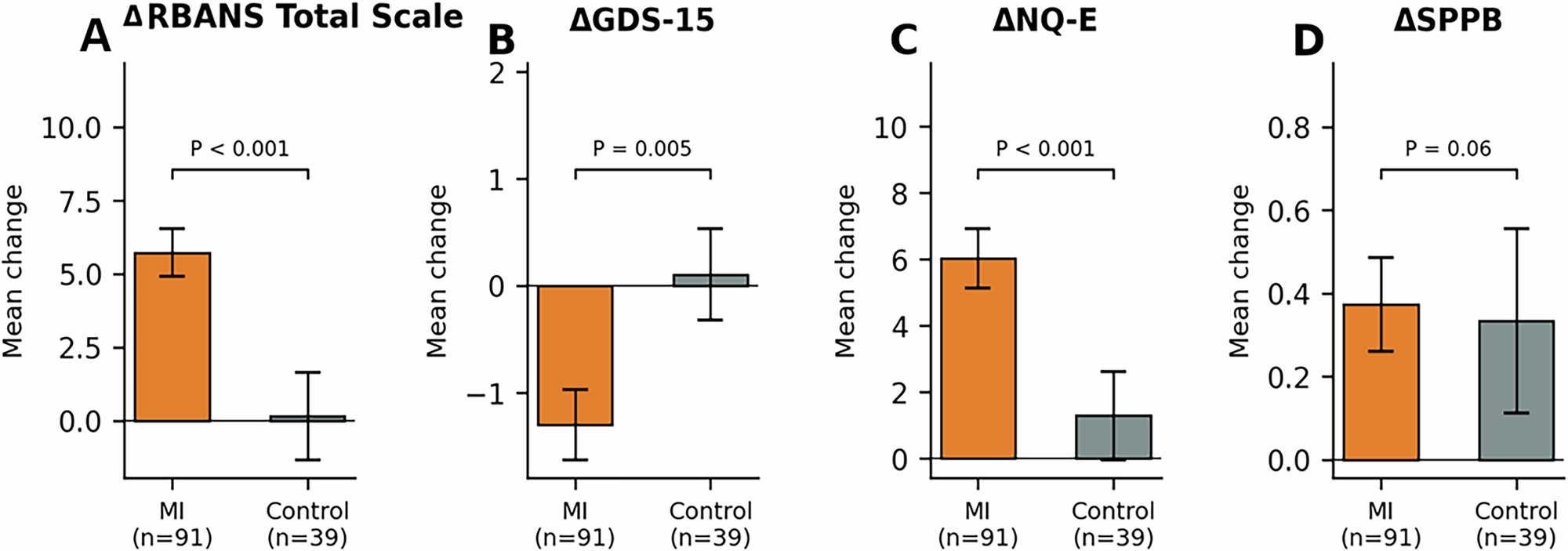
24 weeks, controlled, registered NCT03980392
An exploratory trial sub-study followed 130 adults aged 60–79 with at least one modifiable dementia risk factor and no overt dementia. Ninety-one received a 24-week programme addressing several aspects of lifestyle, while 39 served as controls. Researchers analysed stool samples collected at the start and week 24 and assessed thinking skills.
Measures of gut microbe variety fell within the intervention group. A score measuring departure from a healthy reference microbial community also fell, suggesting a shift towards that reference pattern. The researchers did not detect significant changes in these measures within controls. The intervention group improved more on the test of thinking skills than controls. Changes in several groups of microbes were associated with changes in clinical outcomes.
Why it matters
For older adults at risk of dementia, understanding how lifestyle changes relate to gut microbes may help researchers investigate connections between the gut and cognitive health.
Caveats
The reported within-group microbiome changes do not establish that changes differed between groups or caused cognitive improvements. Participants had no overt dementia, so the findings do not establish effects in people with dementia.
From the paper
- Participants
A total of 130 older adults aged 60–79 years with at least one modifiable dementia risk factor and without overt dementia were included (91 in the multidomain intervention [MI] group and 39 controls).
Quoted word for word from the full text on link.springer.com.