Gα q/11 signalling counteracts endothelial dysfunction in the brain and protects cognition in aged mice
Abstract
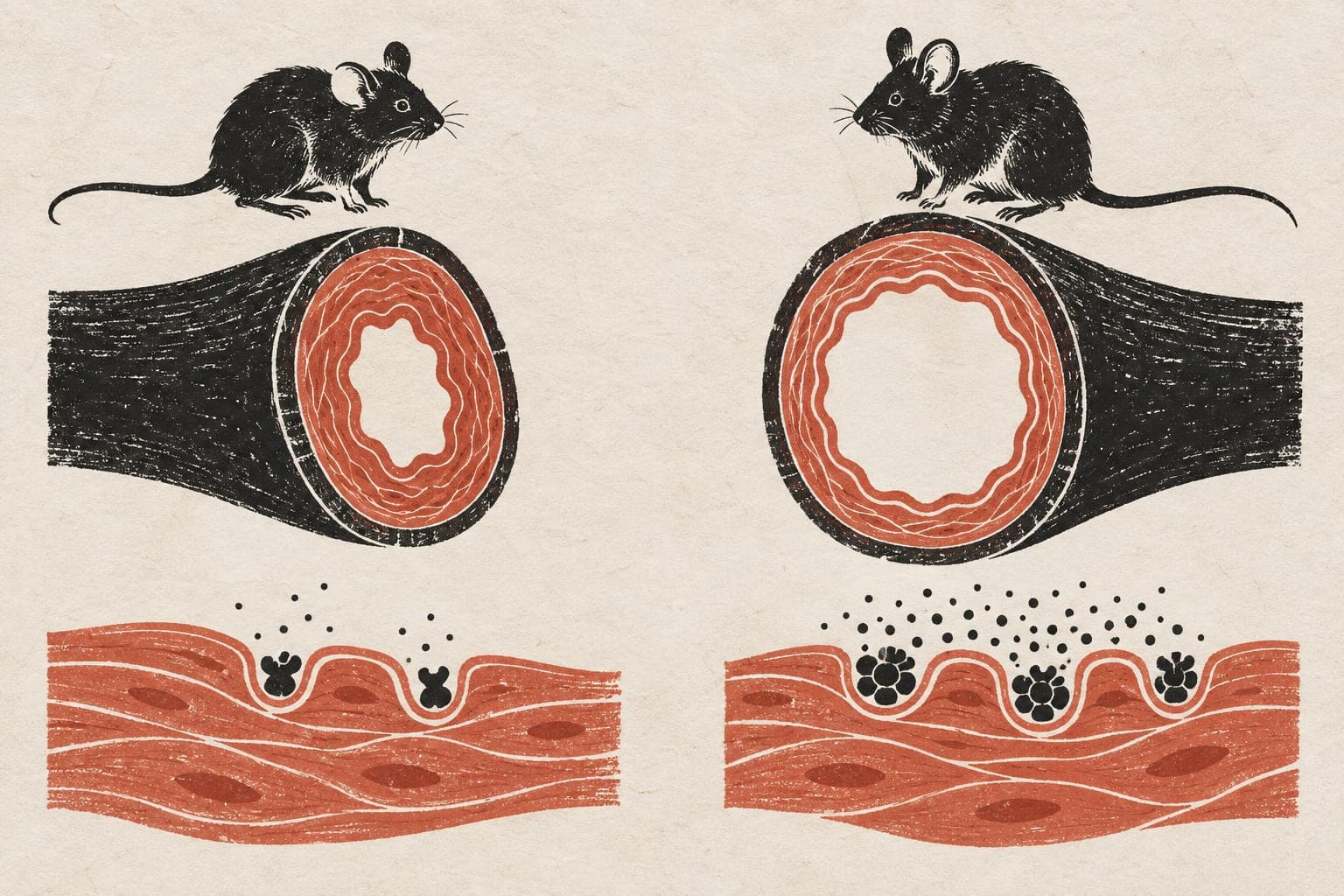
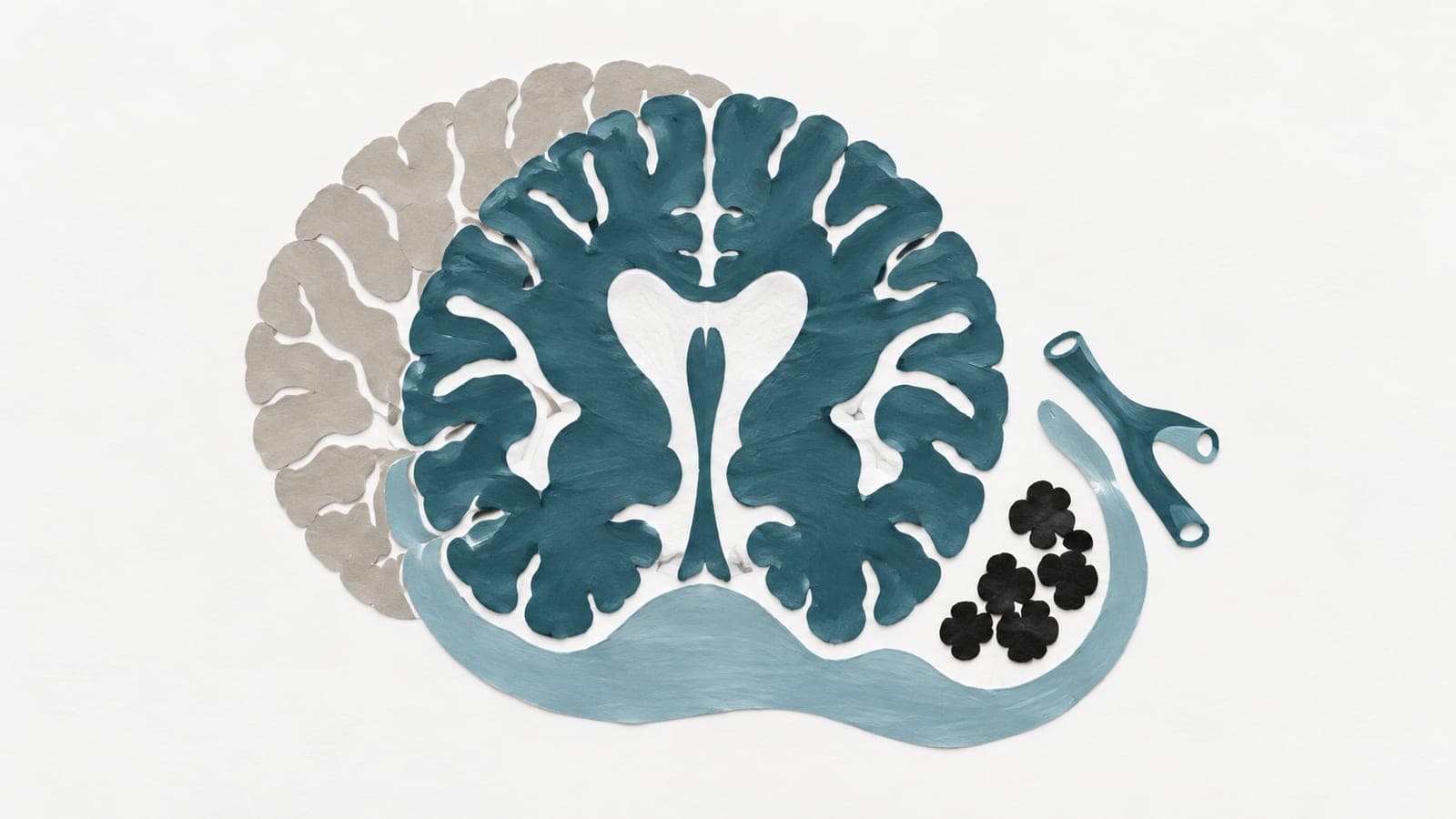
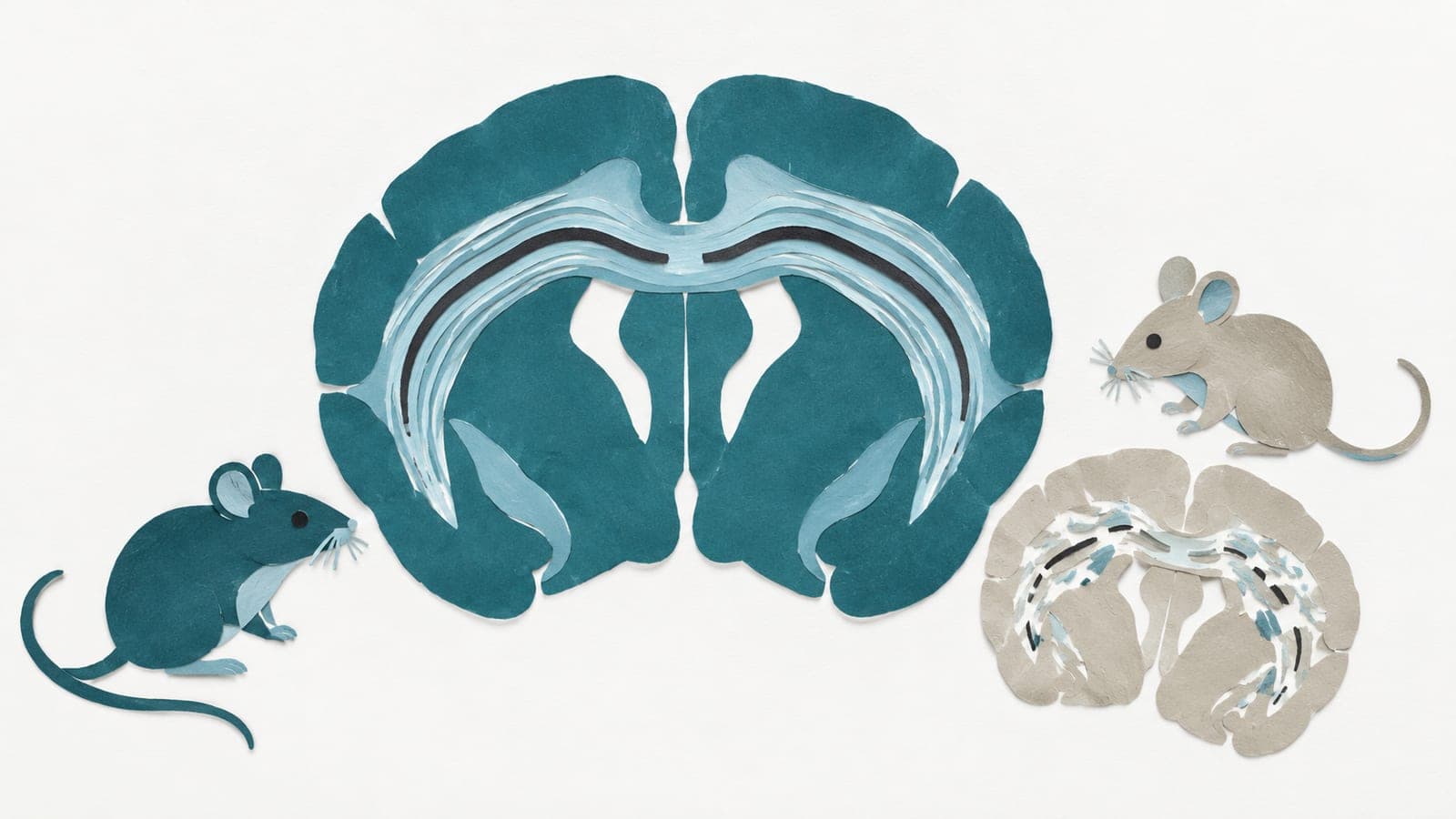
ABSTRACT Background Cerebral small vessel disease (cSVD) is a major cause of stroke and dementia, and is associated with increased blood-brain barrier permeability, neuroinflammation, and endothelial dysfunction. Endothelial Gα q/11 proteins are involved in vascular tone regulation and have been shown to affect capillary blood flow in the brain. Since factors downstream of activated Gα q/11 proteins, such as endothelial NO synthase (eNOS) activity are discussed in cSVD, we wondered whether the brain endothelial Gα q/11 signalling pathway might influence cSVD-related pathology. Methods Here, we generated mice carrying a brain endothelial-specific deletion of the Gα q/11 signalling and characterised these mice using different imaging and staining techniques, as well as behaviour tests measuring cognition in adult and aged mice. Immunoblots, electrophysiology, perfusion measurements, and in vitro experiments complemented those techniques. Findings The brain endothelial Gα q/11 signalling pathway preserves normal vascular reactivity, and its loss resembles mild endothelial dysfunction in the brain. While the vessel structure was maintained in adult mice, a deletion of the Gα q/11 signalling led to capillary rarefaction and blood-brain barrier disruption in aged mice. These effects were accompanied by disturbed VEGF signalling and an increase in senescence markers and oxidative stress in the vasculature, culminating in cognitive impairment with increased tau phosphorylation in the cortex and hippocampus, and decreased myelination in the white matter. Interpretation These findings reflect the main hallmarks of cSVD and demonstrate a protective role of Gα q/11 in endothelial cells in ageing. Furthermore, our results show that the combination of cerebral endothelial dysfunction and ageing accelerates cognitive impairment. Funding Research was supported by grants from the European Research Council (2019-WATCH-810331 to R.N., V.P., and M.S.), the Deutsche Forschungsgemeinschaft (SCHW 416/12-1 to M.S.; WE 6456/1-1 to J.W.; GRK1957 to M.S., H.M.-F., and J.W.), the institutional priority program MI-VascAD of the University of Lübeck (to H.M.-F. and J.W.), and the Marie-Sklodowska-Curie European Union’s Horizon 2020 research program (ENTRAIN-813294 to M.S. and J.W.). RESEARCH IN CONTEXT Evidence before this study Cerebral small vessel disease (cSVD) is associated with advanced age, hypertension, and metabolic diseases. It is considered causal for a substantial part of stroke and dementia cases. Endothelial dysfunction is described as being present in all of the diseases mentioned, and it is discussed to play a role in the development of cSVD. However, most of the evidence is correlational rather than causal, and studies are usually carried out on subjects with an underlying disease for which endothelial dysfunction is a side effect. Added value of this study Here, we describe a novel brain endothelial signalling pathway that protects against endothelial dysfunction and loss of cerebrovascular reactivity. Without Gα q/11 signalling exclusively in the brain endothelium, mice show an impaired ability to increase brain perfusion in response to vasodilatory stimuli, such as neuronal activity. These mice, combined with an older age, develop vessel rarefaction and cognitive dysfunction, which can be explained by increased tau phosphorylation and white matter alteration. Implications of all the available evidence These findings, in the context of the existing studies, suggest that endothelial dysfunction per se is sufficient to induce cognitive impairment. They imply that the diagnoses and treatments for diseases associated with cognitive impairment should focus more on a dysfunctional endothelium. The Gα q/11 signalling pathway offers a new approach to address treatment endeavours in cSVD and, more broadly, in all diseases associated with a higher risk of vascular dementia and stroke.
The paper
German Centre for Cardiovascular Research
bioRxiv, 29 Jul 2025, Preprint, not peer-reviewed