Spinal fluid protein linked to Alzheimer’s dementia risk
An observational study of 444 people without dementia linked a blood vessel-related protein to poorer thinking, brain shrinkage and later Alzheimer’s dementia.
Frontiers in Aging Neuroscience
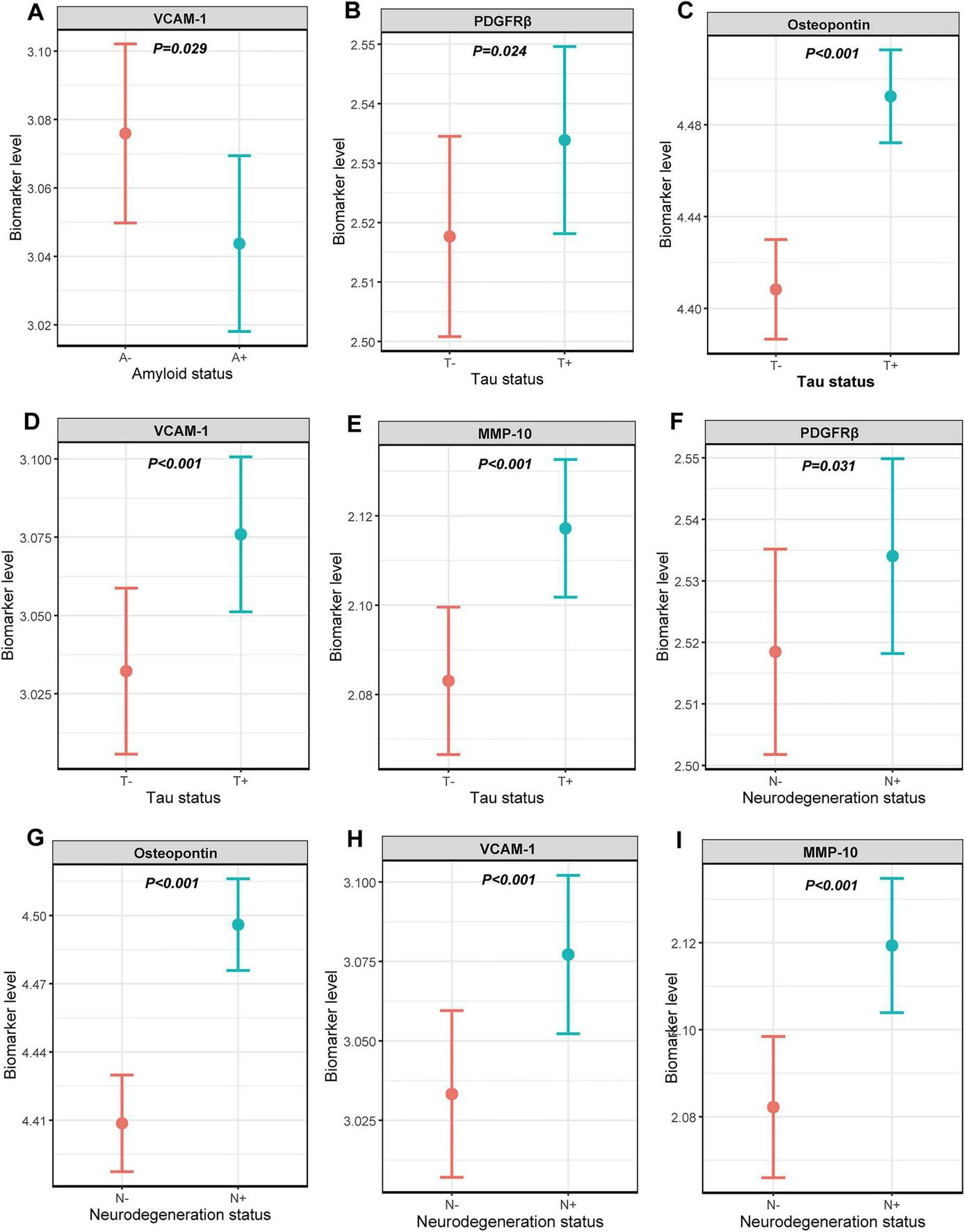
In an observational study of 444 people without dementia, researchers examined ten markers in cerebrospinal fluid, which surrounds the brain and spinal cord. These markers were related to problems in the lining of blood vessels and to vessel injury. The analyses accounted for demographic factors, an Alzheimer’s risk gene variant and vascular risk factors.
Seven markers were associated with measures of tau, an Alzheimer’s-related protein. Two were associated with amyloid beta 42, an Alzheimer’s-related protein fragment. MMP-10, one of the proteins measured, showed the most consistent links across outcomes. It was associated with lower amyloid beta 42, higher tau markers, poorer thinking performance, greater brain shrinkage over time and a higher risk of developing Alzheimer’s dementia.
Why it matters
The findings support investigating changes in blood vessel lining and structure as possible features associated with Alzheimer’s progression.
Caveats
The study was observational, so these links do not show that blood vessel dysfunction caused Alzheimer’s-related changes or dementia.
The paper
Qingdao University
Frontiers in Aging Neuroscience · 21 Sep 2026