Low-valine diet eases heart enlargement in male rodents
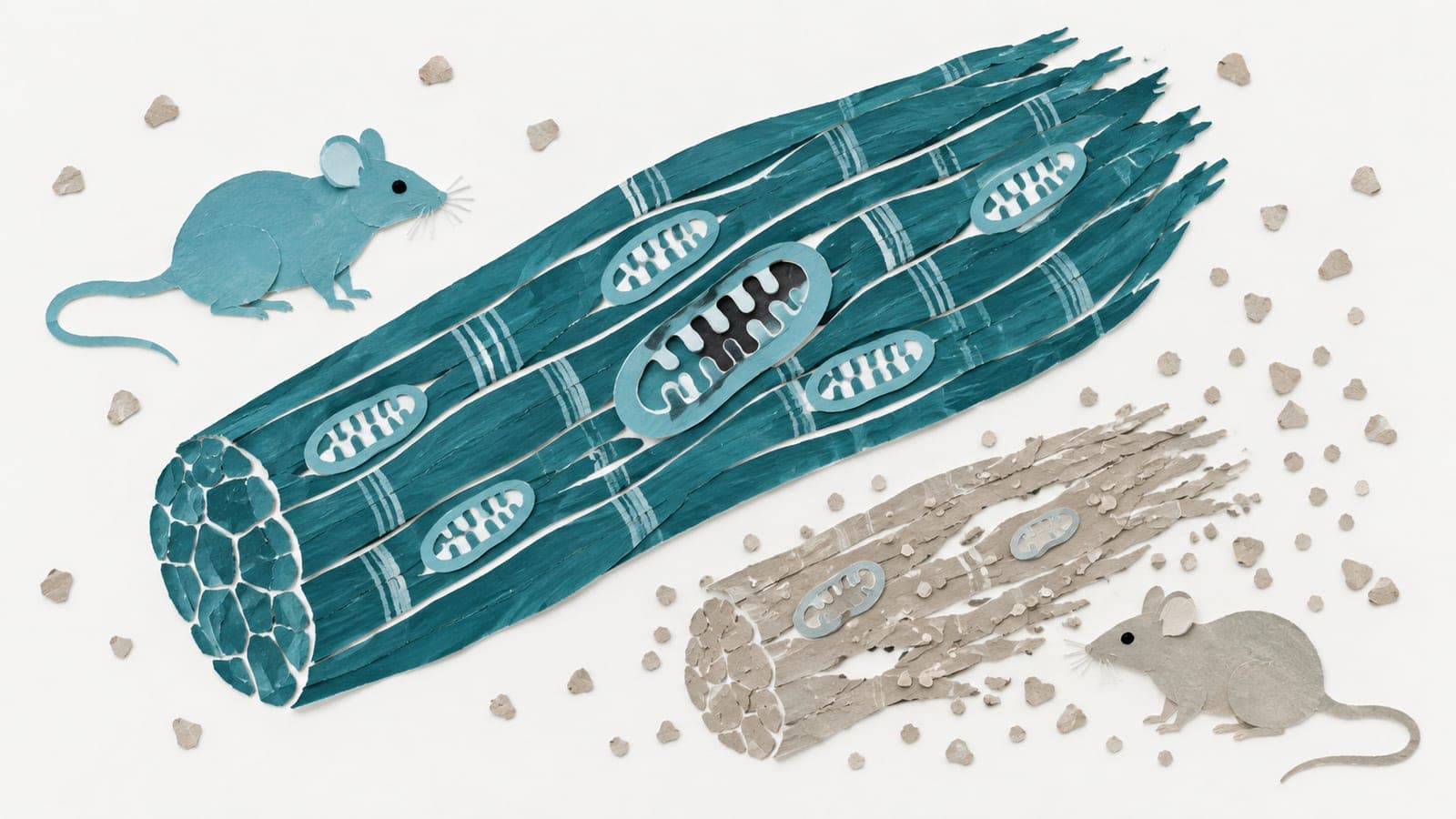
In hypertensive male rodents, restricting the dietary amino acid valine improved heart function and reduced harmful muscle enlargement by protecting a key mitochondrial protein.
Limit: The dietary experiments included only male rodents, omitting females
Edited by Boris Djordjevic · AgingResearch.News
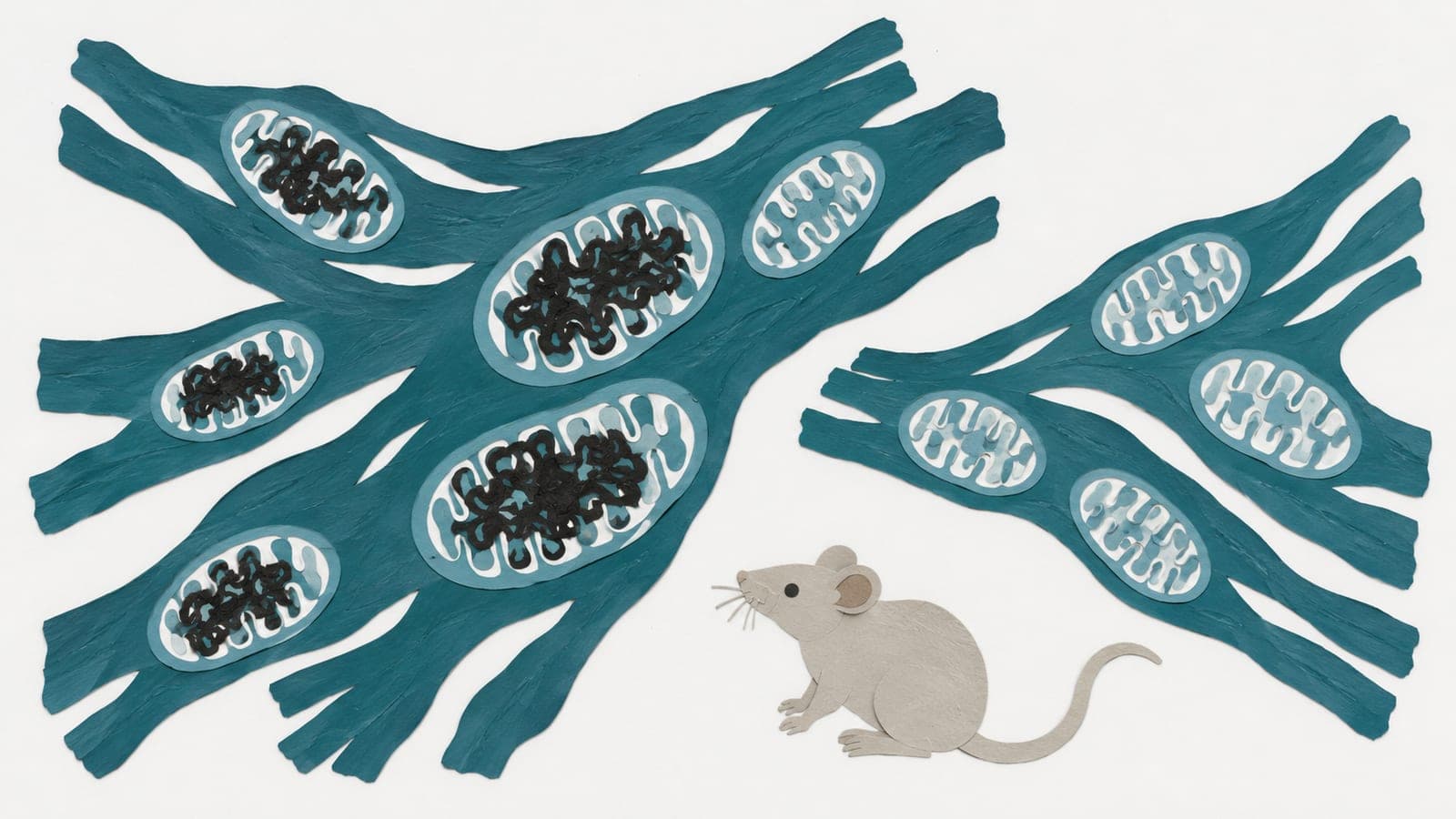
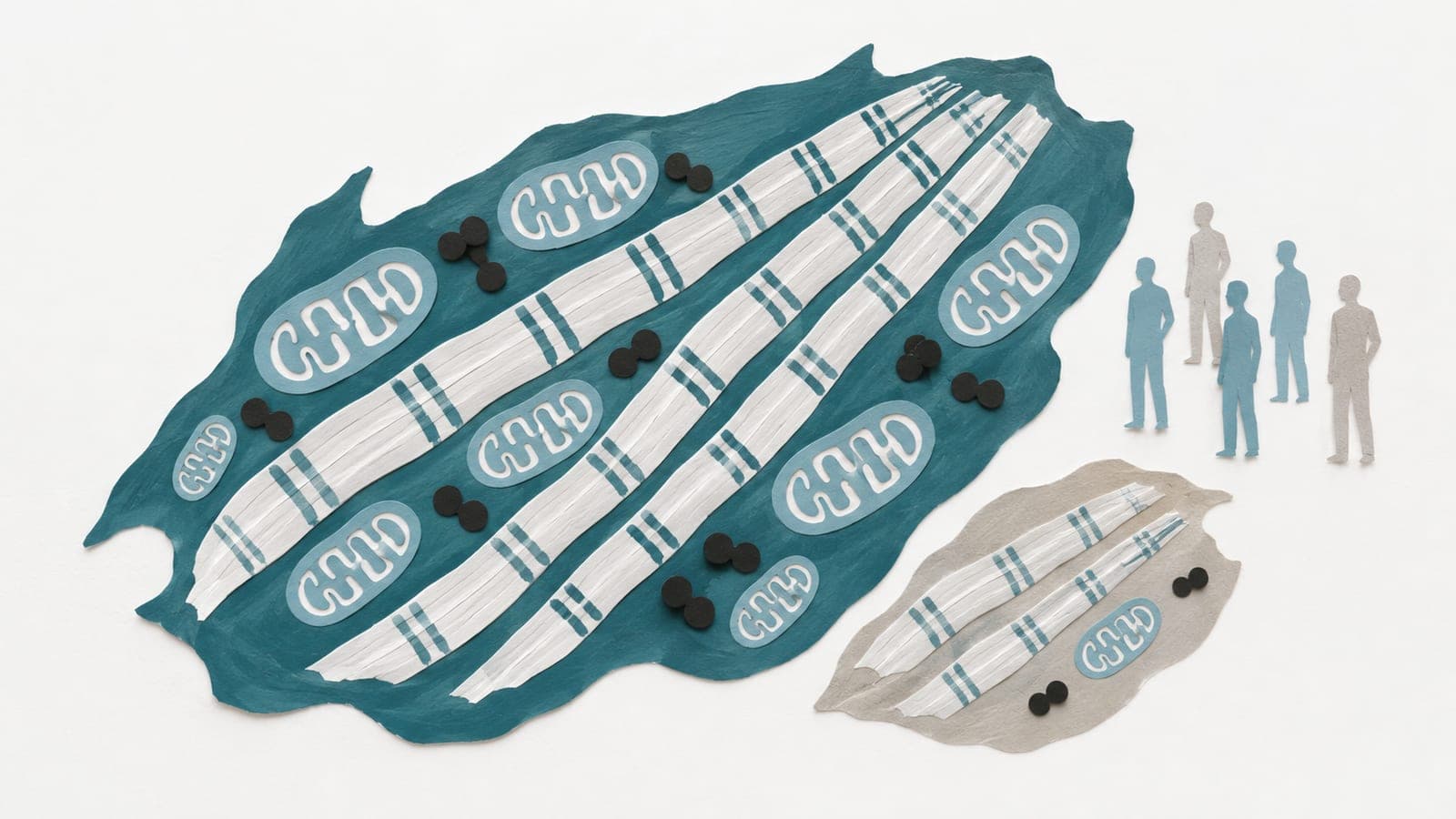
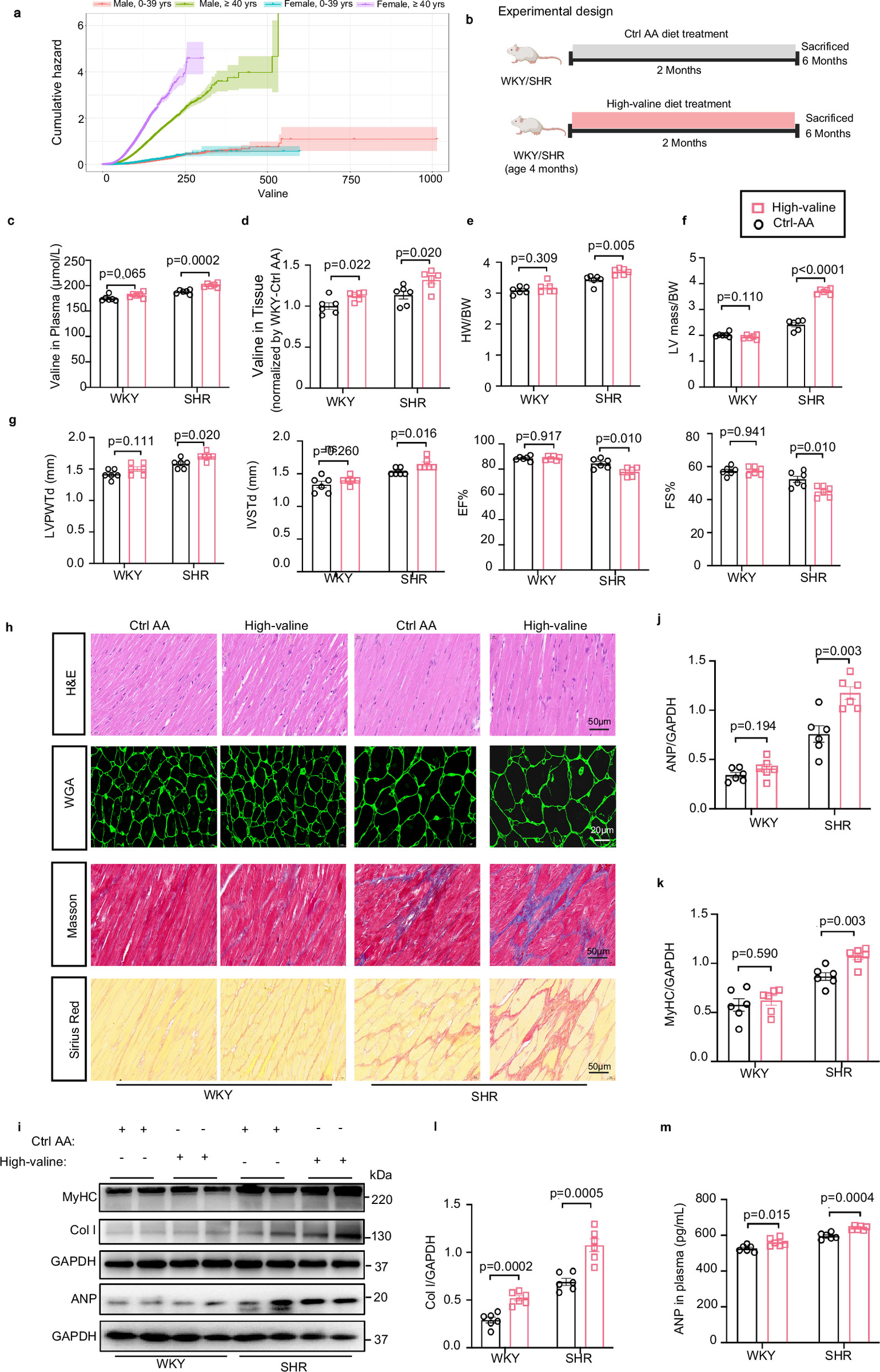
In an observational analysis combining a meta-analysis with US survey data, higher cumulative intake of valine, a branched-chain amino acid, was linked to elevated cardiovascular risk. In experiments in hypertensive male rodents, a low-valine diet alleviated pathological cardiac hypertrophy, an abnormal enlargement of the heart muscle, and improved cardiac function. Under high blood pressure, valine accumulated and bound to an energy-generating protein called ATP5F1B, promoting its breakdown by the enzyme LONP1. The low-valine diet curbed this destruction, raising ATP5F1B protein levels in heart tissue. This in turn alleviated damage to mitochondria, the cell's energy-producing structures, and helped sustain normal mitochondrial function.
Why it matters
Pathological heart enlargement is a major contributor to cardiovascular disease and heart failure, which become far more common with advancing age. Studying how individual dietary amino acids regulate mitochondrial integrity bears on questions of how metabolic shifts affect cardiac resilience under chronic stress.
Caveats
The human evidence is observational and describes a statistical association, not a direct cause. Furthermore, the dietary experiments and molecular mechanisms were tested exclusively in male rodents, so it is unknown whether the findings apply to females or to humans.
The paper
Second Affiliated Hospital of Chongqing Medical University
Nature Communications, Oct 21, 2026, Open access, CC BY-NC-ND