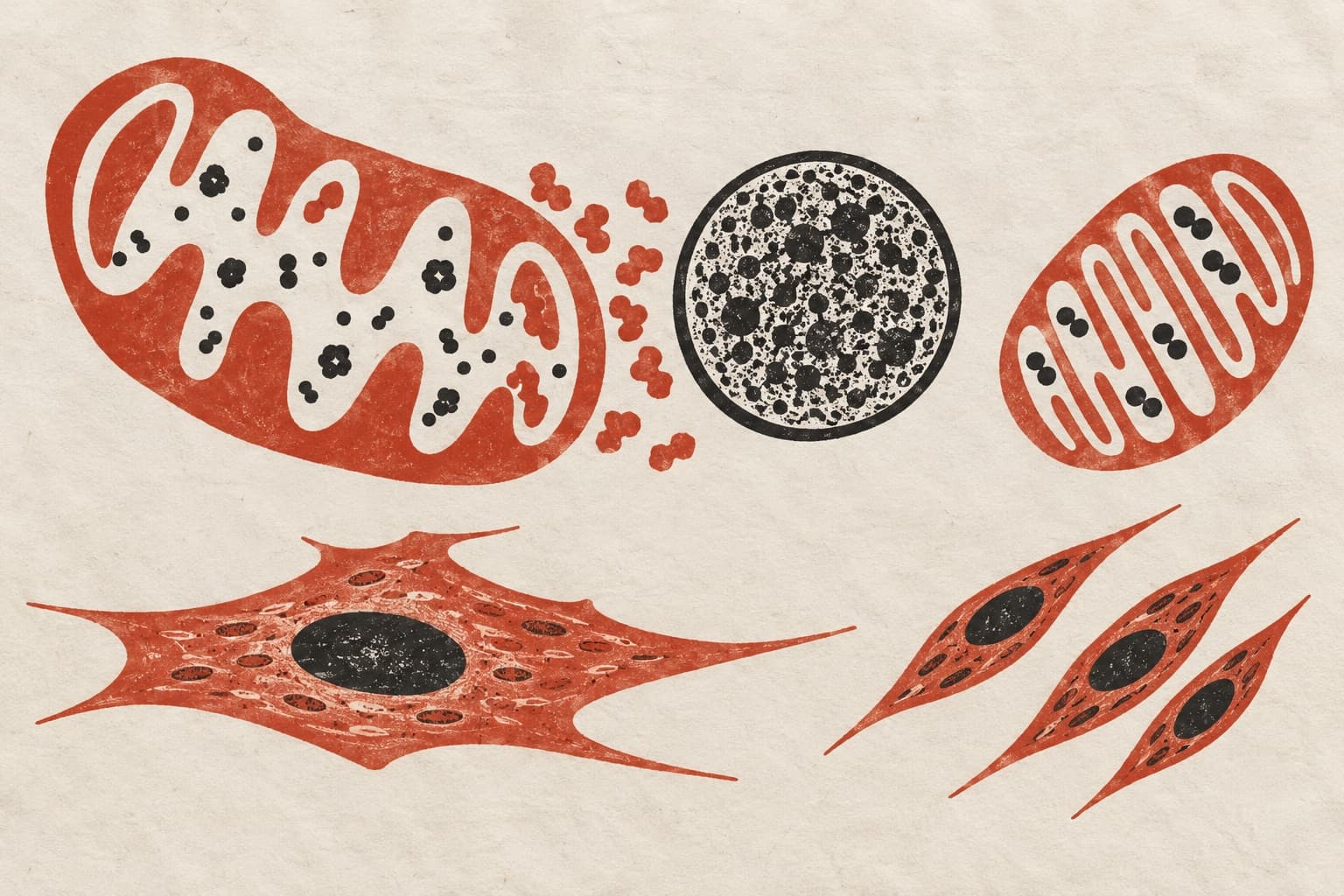
Mitochondrial proteostasis is impaired in mouse heart failure
Aged mice on a high-fat diet and L-NAME showed impaired mitochondrial proteostasis rather than defective biogenesis, suggesting quality control may contribute to reduced cardiac reserve.
American Journal of Physiology Heart and Circulatory Physiology
In 15-month-old male and female mice, researchers modeled heart failure with preserved ejection fraction (HFpEF) using a high-fat diet combined with chronic nitric oxide synthase inhibition. The animals developed diastolic dysfunction and reduced cardiac reserve while maintaining preserved ejection fraction. High-resolution respirometry showed significantly reduced mitochondrial respiratory capacity in left ventricular muscle fibers. Proteomic profiling of isolated cardiomyocyte mitochondria revealed broad suppression of proteins supporting oxidative phosphorylation, carbohydrate metabolism, and the citric acid cycle. Regulators of mitochondrial biogenesis were preserved. However, mitochondrial chaperones and proteases involved in quality control were reduced, accompanied by an accumulation of ubiquitinated mitochondrial proteins. The findings suggest that defective mitochondrial proteostasis, rather than impaired biogenesis, may contribute to reduced cardiac reserve.
Why it matters
Heart failure with preserved ejection fraction predominantly affects older individuals with multiple comorbidities. These findings suggest that breakdown in organelle protein quality control, rather than a failure to generate new mitochondria, may underlie energetic failure in the aging heart.
Caveats
The study was conducted in a three-hit rodent model combining advanced age, diet, and chemical inhibition, which may not fully replicate the complexity of human HFpEF. Specific sample sizes for the respirometry and proteomic analyses were not stated in the abstract.
- Proteostasis
- Oxidative phosphorylation
- Mitochondrial biogenesis (PGC-1α)
- Heart failure with preserved ejection fraction
- Diastolic dysfunction
- Mice
The paper
Show 5 more authors
Alexandre A. da Silva, Alan J. Mouton, Ana Carolina Mieko Omoto, Lucas Wang, John Edward Hall,University of Mississippi Medical Center
American Journal of Physiology Heart and Circulatory Physiology · 19 Sep 2026