Loss of myosin VI leads to age-dependent changes in the maintenance of heart ventricle mitochondria
Abstract
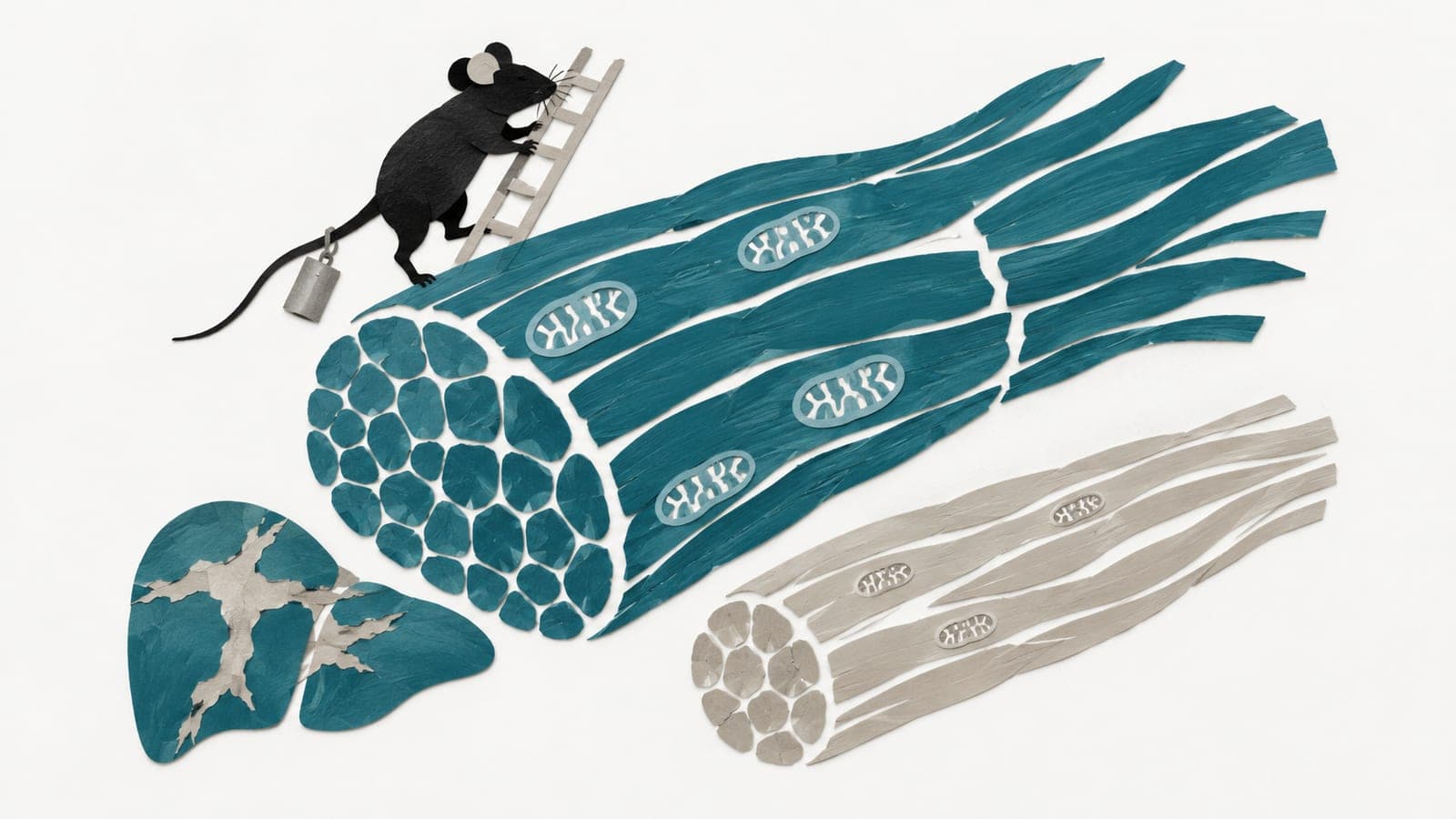
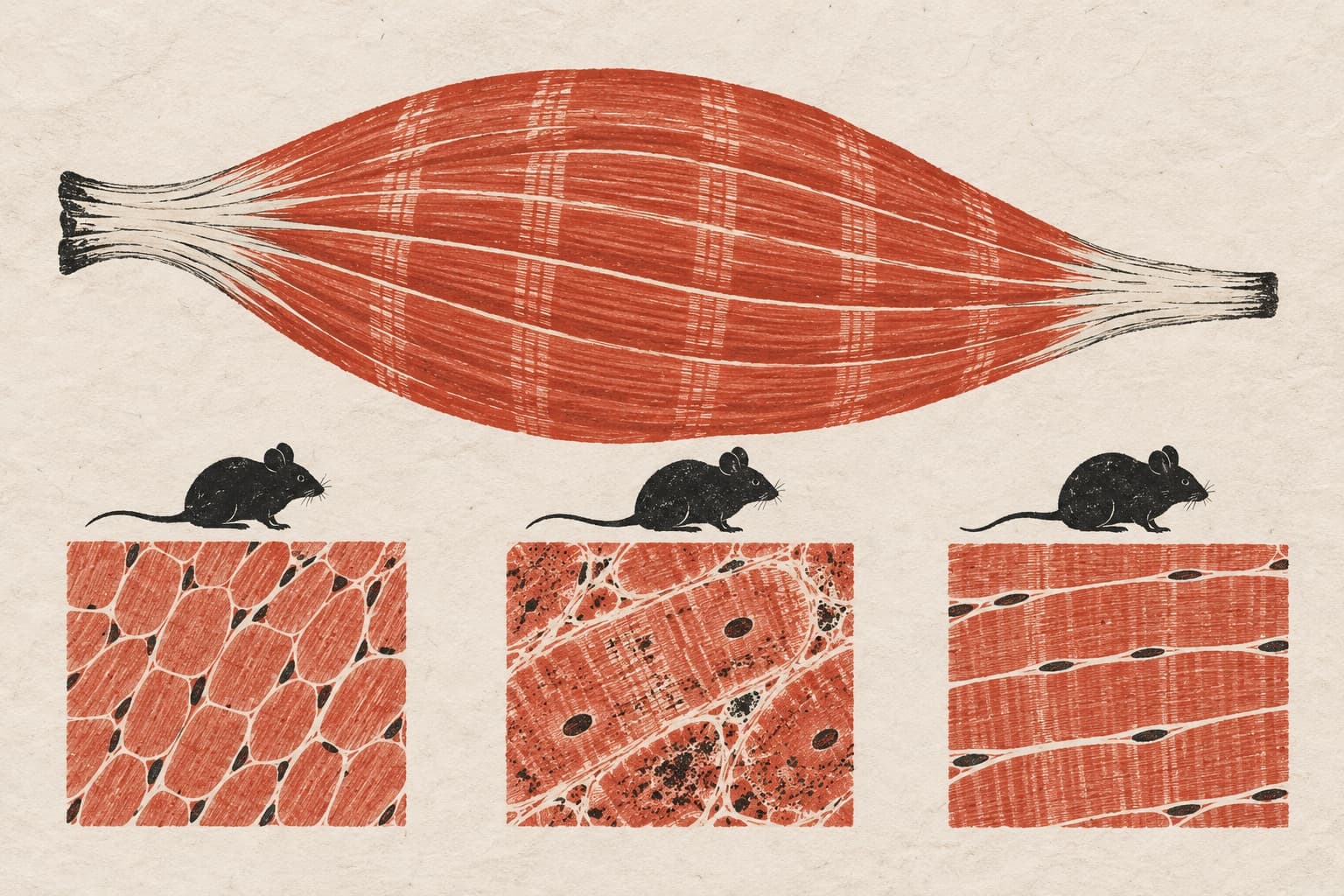
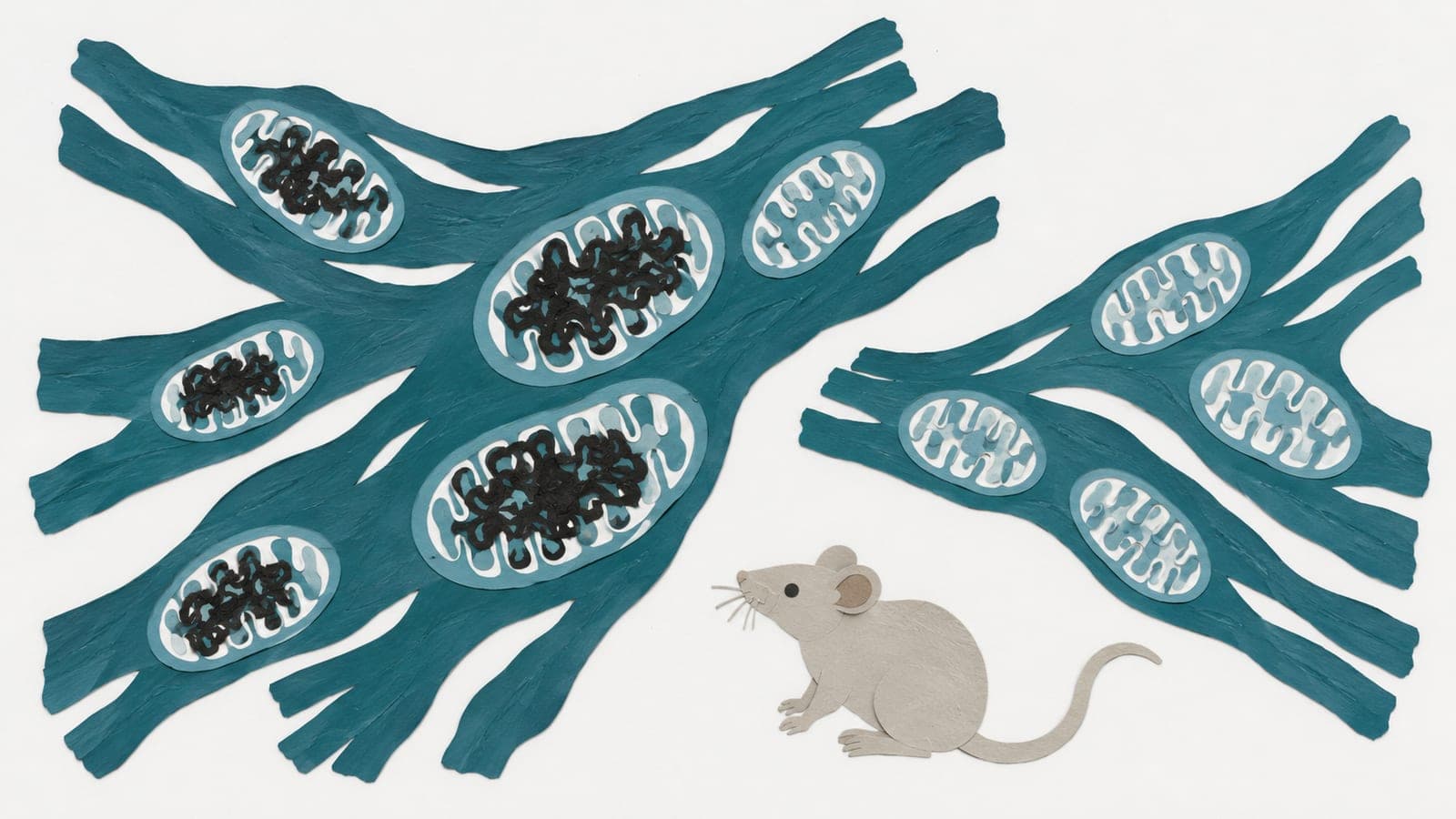
Aims We have recently shown that unconventional myosin VI (MVI), a unique actin-based molecular motor, is involved in age-progressive cardiac dysfunction. Here, we aimed at elucidation of mechanisms of MVI involvement in this phenotype. We propose that MVI plays a role as a regulator of mitochondria quality control as well as of their organization and distribution in the heart, an organ with extremely high energy demand. Methods and results We analyzed heart samples from MVI knockout mice (Snell's waltzer) and their heterozygous littermates: newborns (P0), 3-month-old (3m), and 12-month-old (12m) mice. Transmission electron microscopy and immunostaining revealed that loss of MVI affected mitochondria network organization and promoted mitochondria clustering in the perinuclear space. Moreover, accumulation of large functional mitochondria, increase in total mitochondria mass with a concomitant increase in the amount of damaged mitochondria were observed in 12m hearts. The Western blot technique revealed that loss of MVI, at all examined time points, did not affect the activity of AMPK, the key energy balance sensor, and the level of the respiratory chain components. However, in P0 samples it affected the levels of OPA1, involved in mitochondria fusion, and the activity of S6, the downstream effector of mTOR. Also, loss of MVI affected autophagy/mitophagy activity in P0 hearts, leading to accumulation of autophagosomes. A pull-down assay enabled identification of over three hundred potential MVI-binding partners; among them were proteins involved in mitochondria organization and functions, autophagy, ion transport, and cell respiration. Conclusion Taken together, our results indicate that loss of MVI evokes changes disclosed already in newborns that lead to profound alterations in the mitochondria organization and maintenance with age. We believe that accumulation of changes in mitochondria structure, distribution and quality commits to the age-progressing cardiac remodeling and dysfunction.
The paper
Nencki Institute of Experimental Biology
bioRxiv, 14 Oct 2026, Open access, CC BY, Preprint, not peer-reviewed