Progeria disrupts cells in the intestinal lining in mice
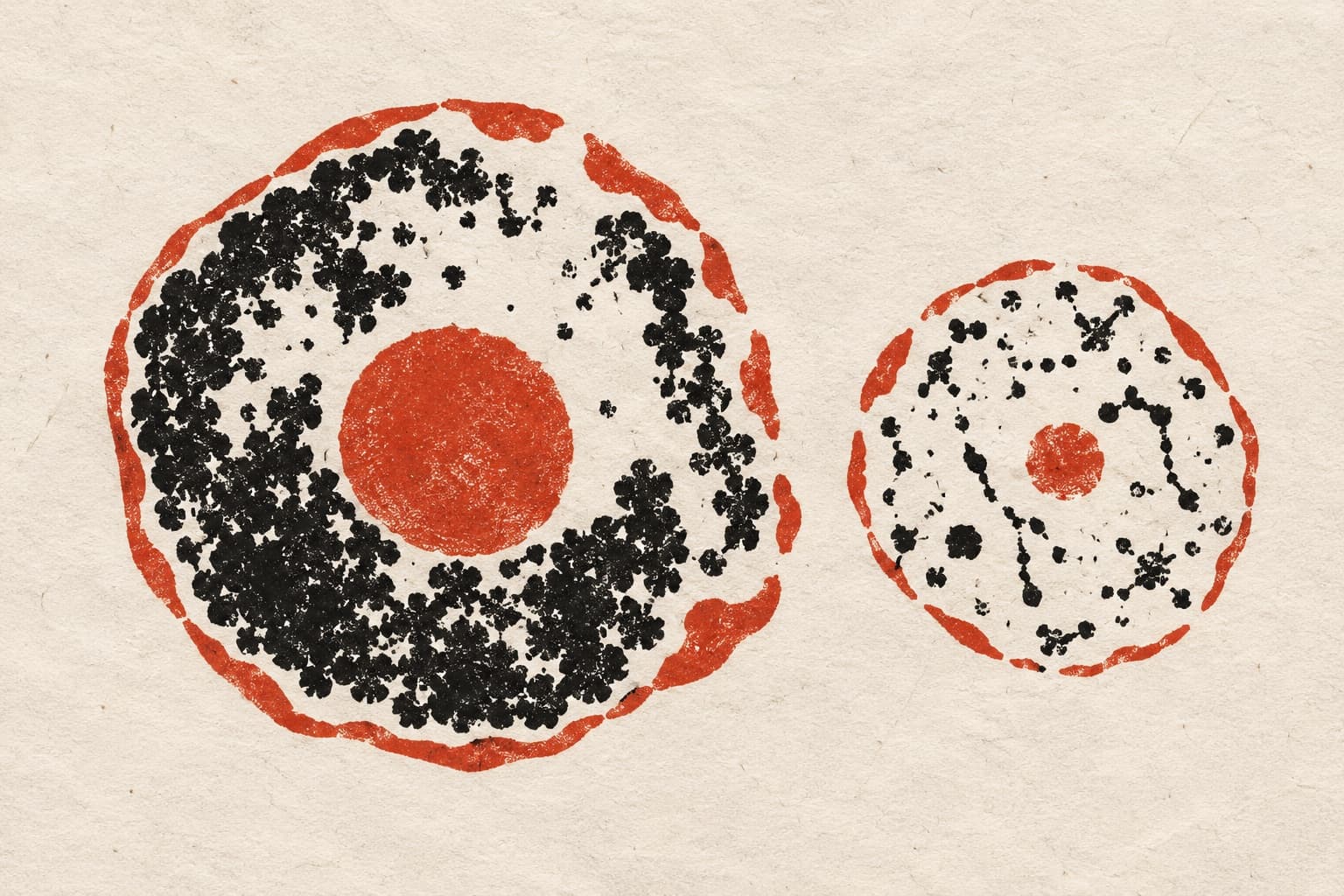
Mice carrying one copy of a progeria-linked mutation developed increased gut leakage from 30 weeks, reaching levels reported in naturally aged mice over 20 months old.
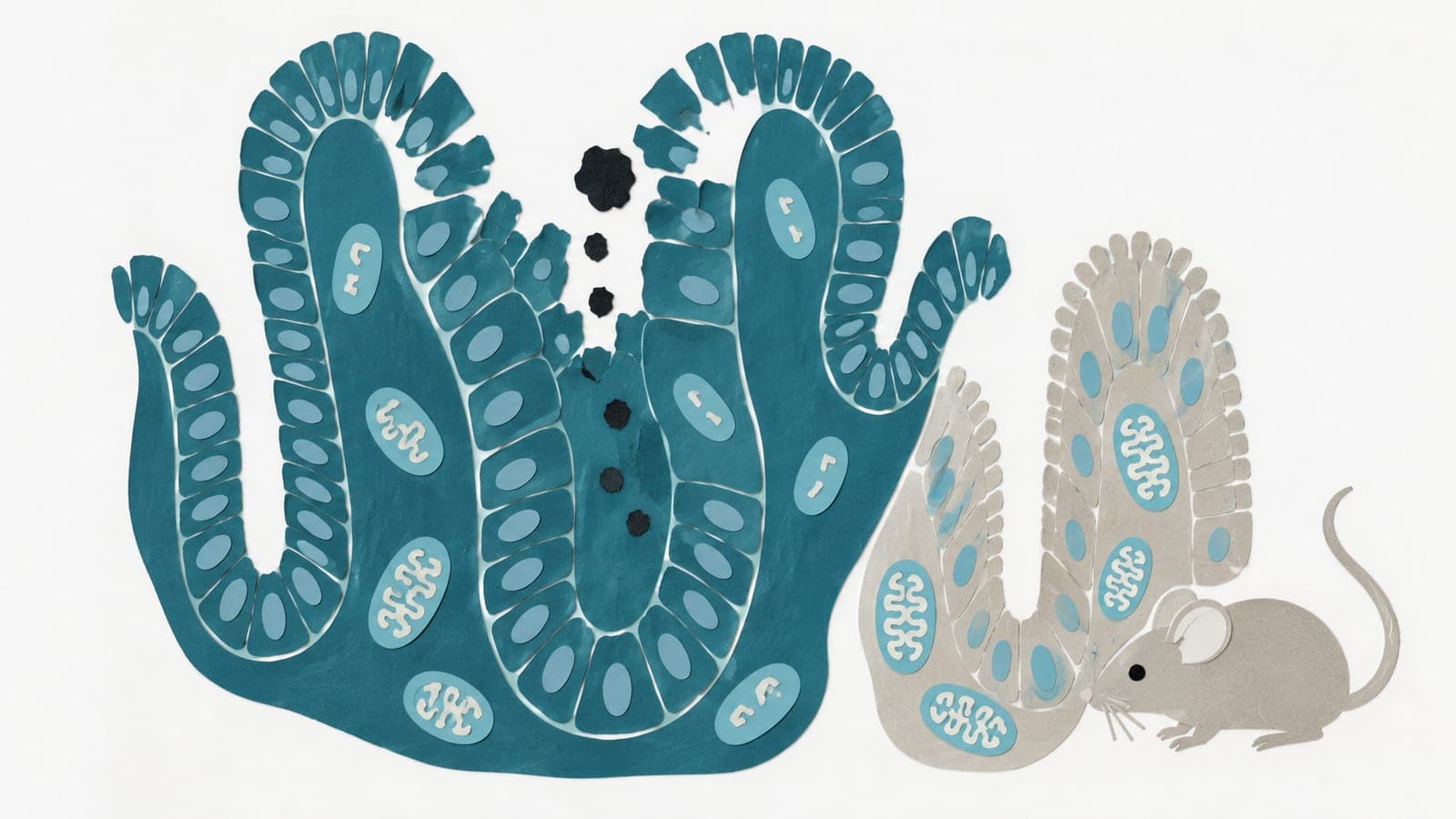
In experiments using mice with one or two copies of a progeria-linked mutation, researchers studied the intestinal lining. Progeria causes premature aging in some parts of the body. The team also studied intestinal organoids, miniature tissue models grown in the lab, and analysed gene activity in individual cells.
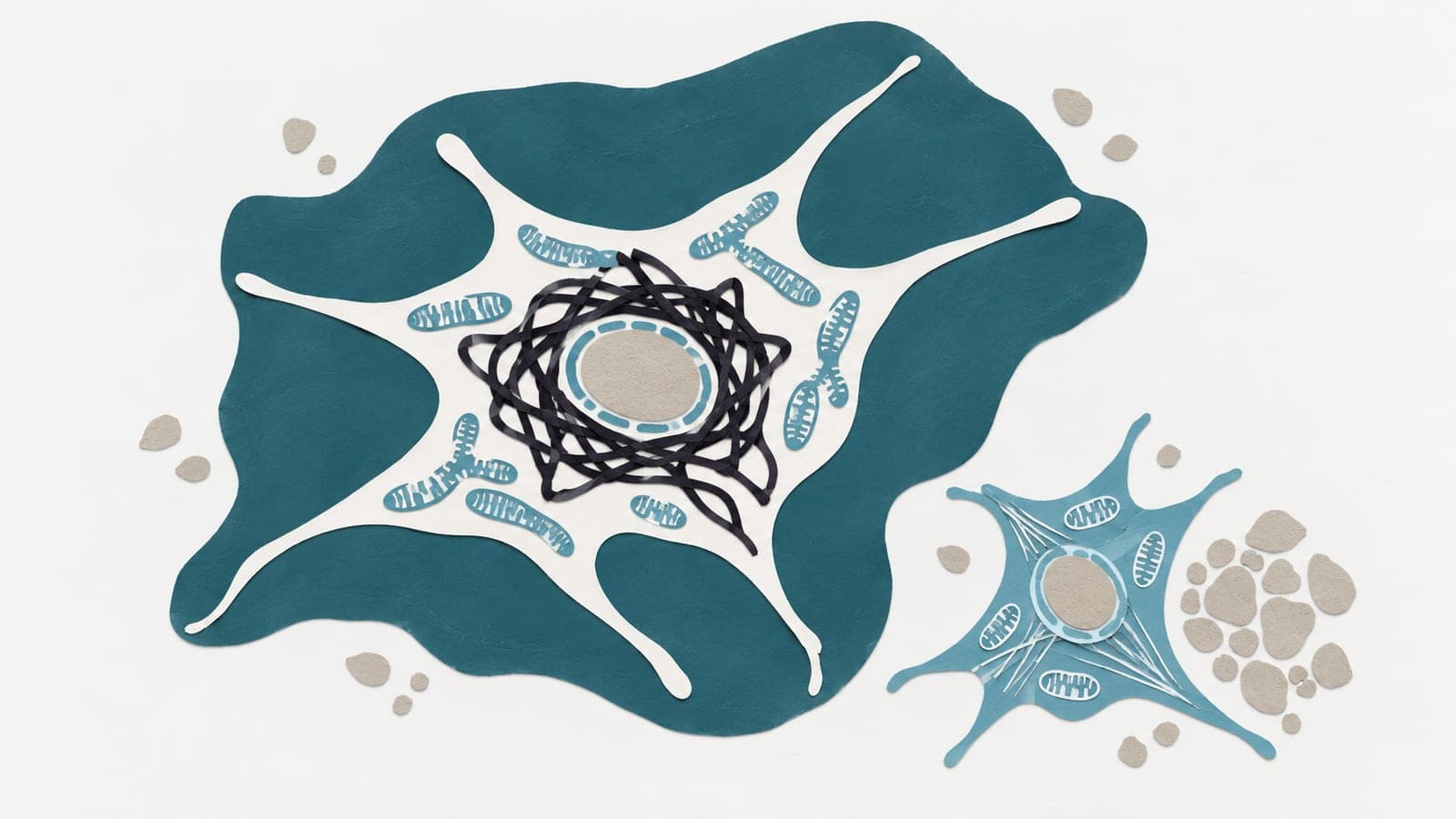
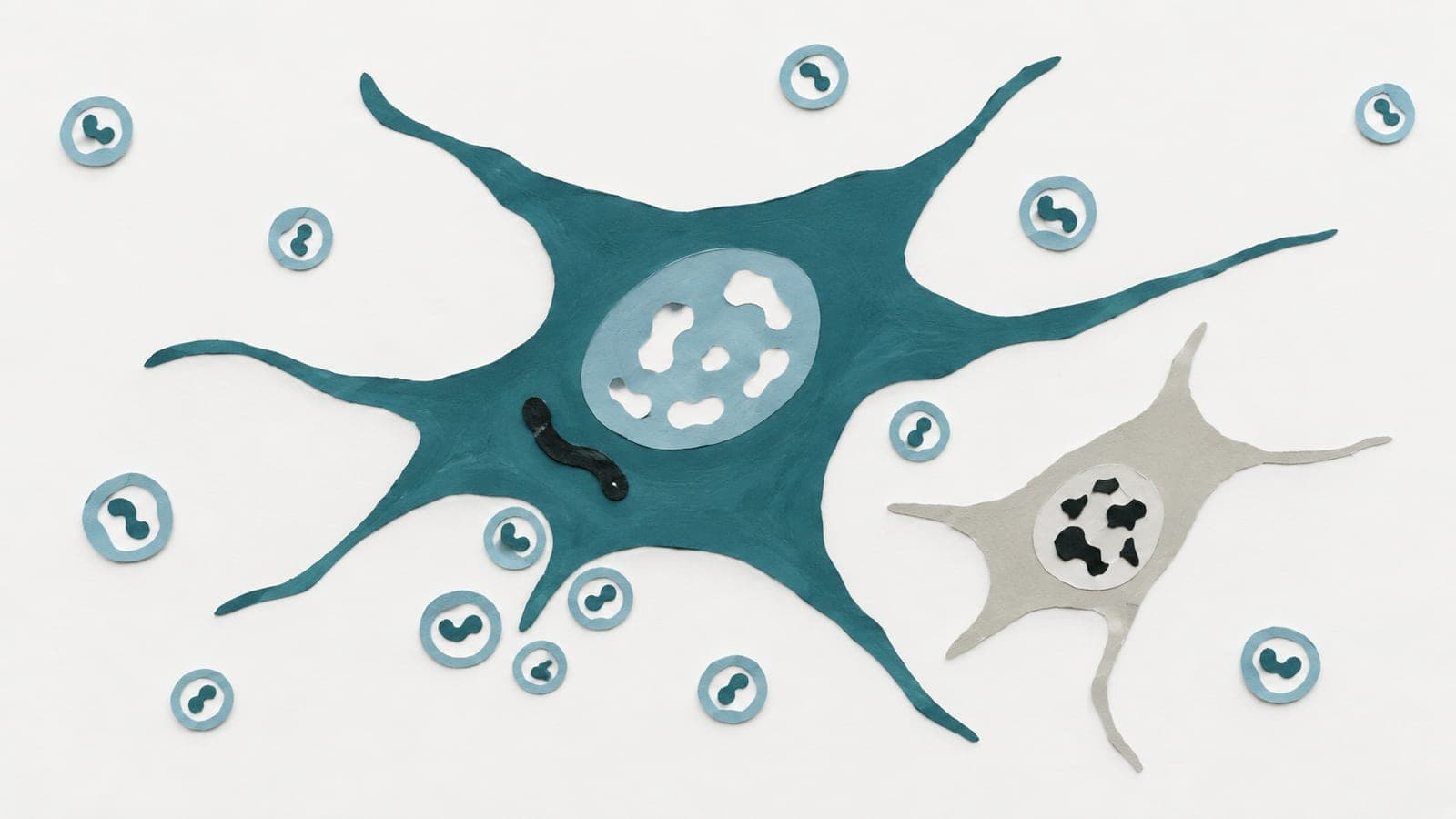
The researchers found progerin, the abnormal protein associated with progeria, in cells lining the colon and supporting cells near intestinal stem cells. Organoids from progeria mice consumed less oxygen through their mitochondria, the cells’ energy-producing structures. Analysis of gene activity showed that absorptive cells, which take up nutrients, failed to fully mature in the progeria mouse colon. The findings supported a model in which insufficient mitochondrial function stalls these cells’ maturation and weakens the intestinal barrier.
Why it matters
The intestine is the fastest-renewing tissue in adult mammals. The findings support examining its lining, not just its microbes, when studying how progeria produces premature features of colon aging.
Caveats
These experiments used mice and lab-grown intestinal models, not people; the proposed link between mitochondrial problems and impaired cell maturation remains a model. The paper is a preprint and has not yet been peer-reviewed.
The paper
Institut Necker Enfants Malades
bioRxiv, 14 Oct 2026, Open access, CC BY-NC, Preprint, not peer-reviewed