A metabolic protein promotes blood stem cell aging in mice
In mice, genetically removing the protein reduced signs of cellular aging across multiple tissues and limited hallmarks of blood stem cell aging.
Biogerontology
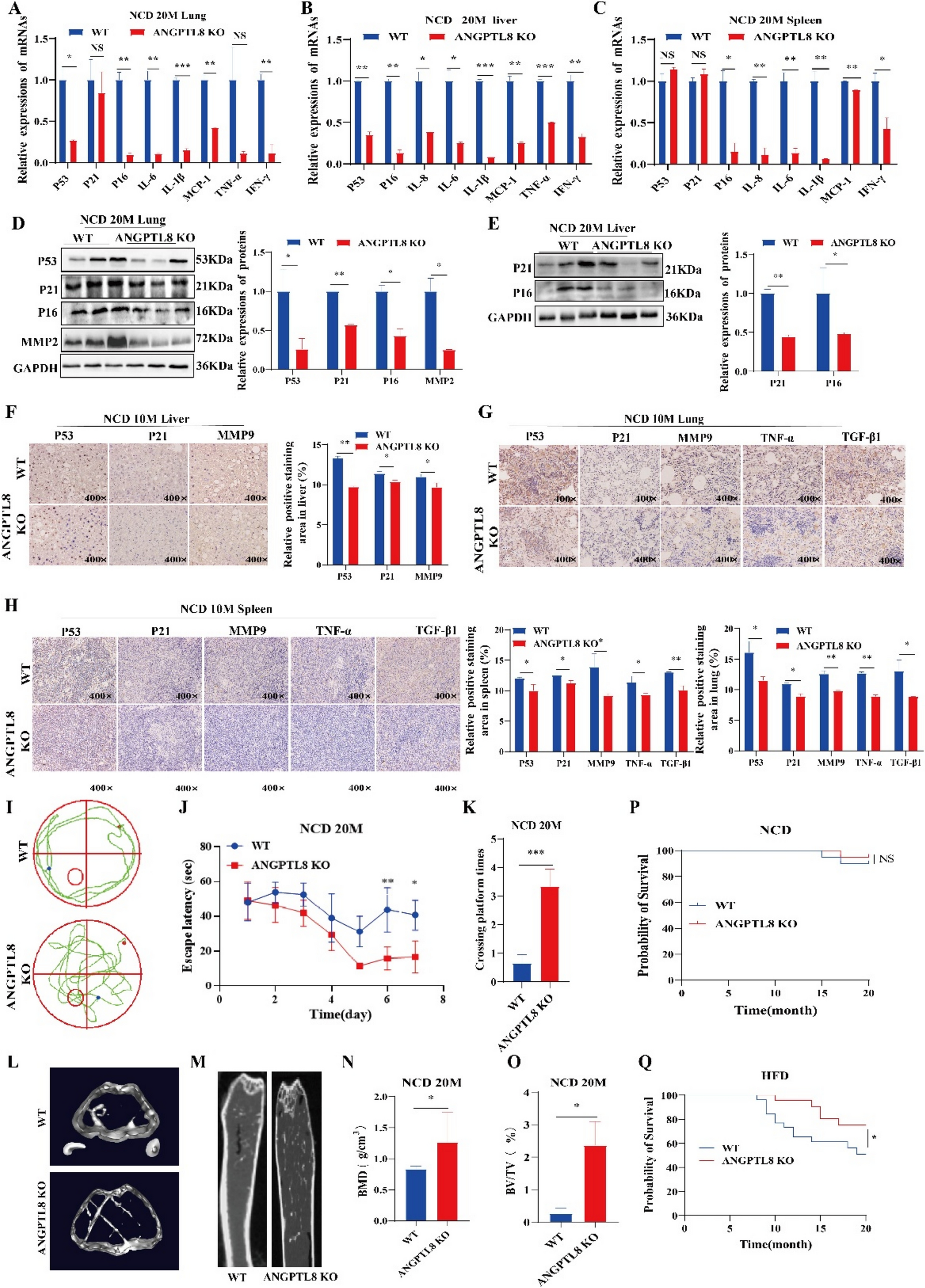
In an experiment in mice and mouse cells, researchers investigated how angiopoietin-like 8, a protein involved in sugar and fat metabolism, influences aging. Mice engineered to lack the protein showed significantly reduced signs of senescence—a state where cells permanently stop dividing—across multiple tissues.
Further tests in mice and cells grown in the lab evaluated proliferation, colony formation, mitochondrial membrane potential, reactive oxygen species, myeloid skewing, early blood regeneration, and senescence-associated secretory phenotype expression, a profile of signals released by aging cells. These analyses demonstrated that the protein promotes blood stem cell aging. The findings suggest that the protein acts by binding to a receptor called PirB and dampening PI3K/AKT signalling, an internal chemical communication pathway.
Why it matters
Aging impairs blood stem cells, contributing to immune decline, blood cancers, and degenerative disorders. Pinpointing the signals that drive this deterioration may help researchers identify targets to counter age-related blood dysfunction.
Caveats
The findings come from experiments in mice and lab-grown cells rather than people. The research also evaluated genetic deletion of the protein rather than testing a drug that blocks it.
The paper
ANGPTL8 induces the aging of hematopoietic stem/progenitor cells
Show 6 more authors
Xinyu Bai, Xiaoli Wang, Yijun Tang, Hua Jiang, Lulu Zhang, Chunfang Zhou,Taihe Hospital
Biogerontology · 8 Oct 2026