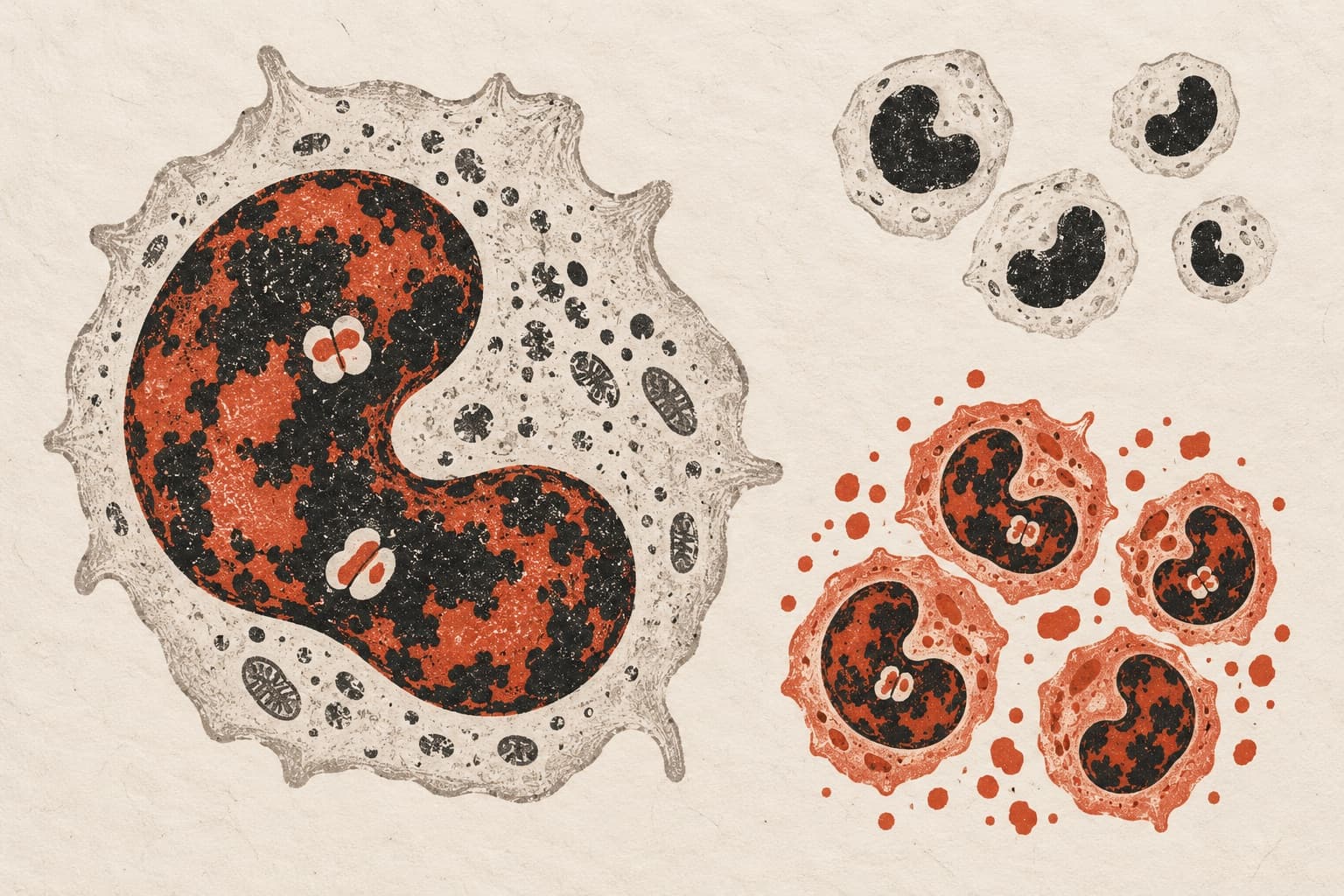
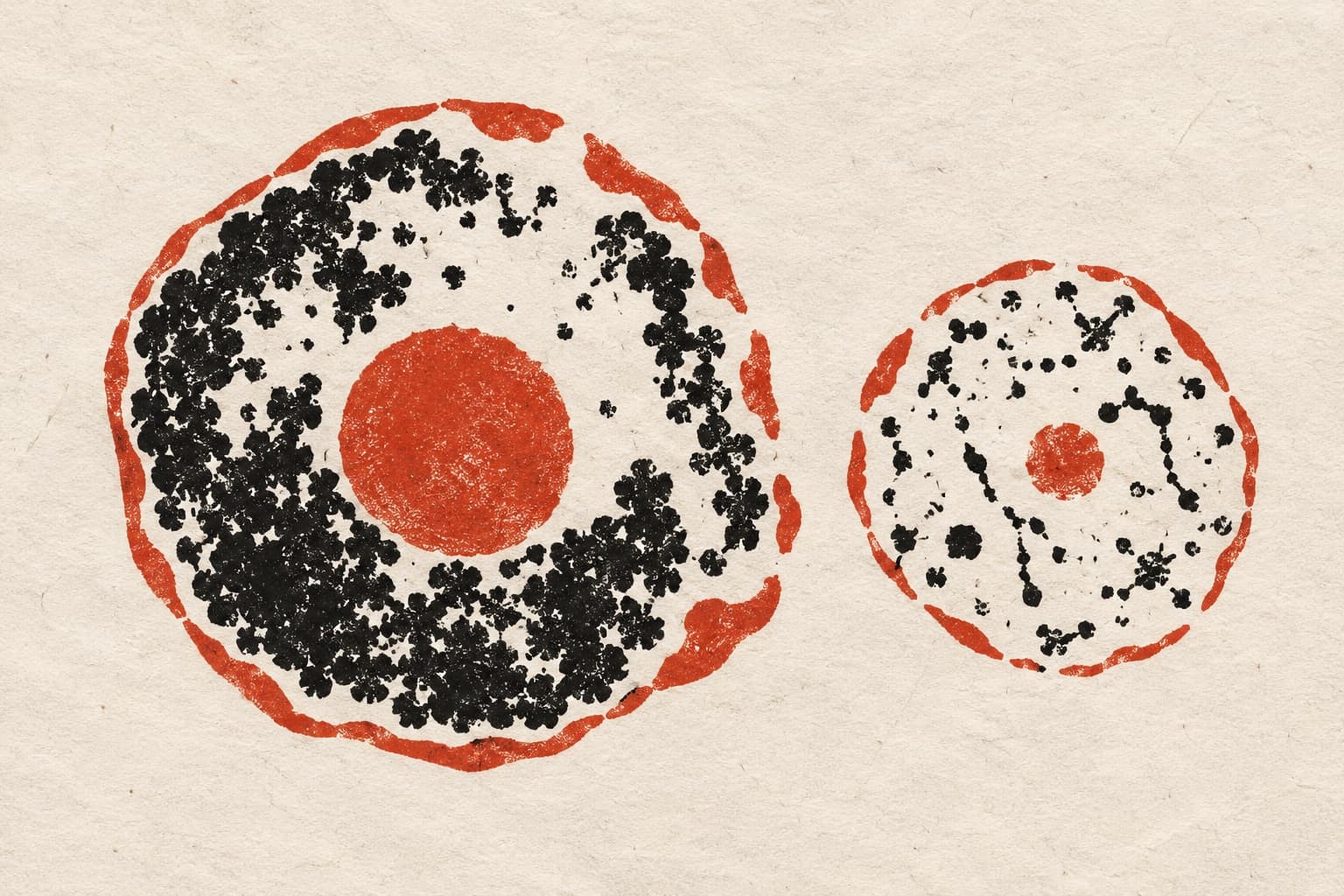
SATB1 loss reshapes 3D genome in mouse naive T cells
Diminished SATB1 in murine naive CD4⁺ T cells weakens TAD boundaries, rewires enhancer-promoter interactions, and increases proinflammatory gene expression during aging.
Science Advances
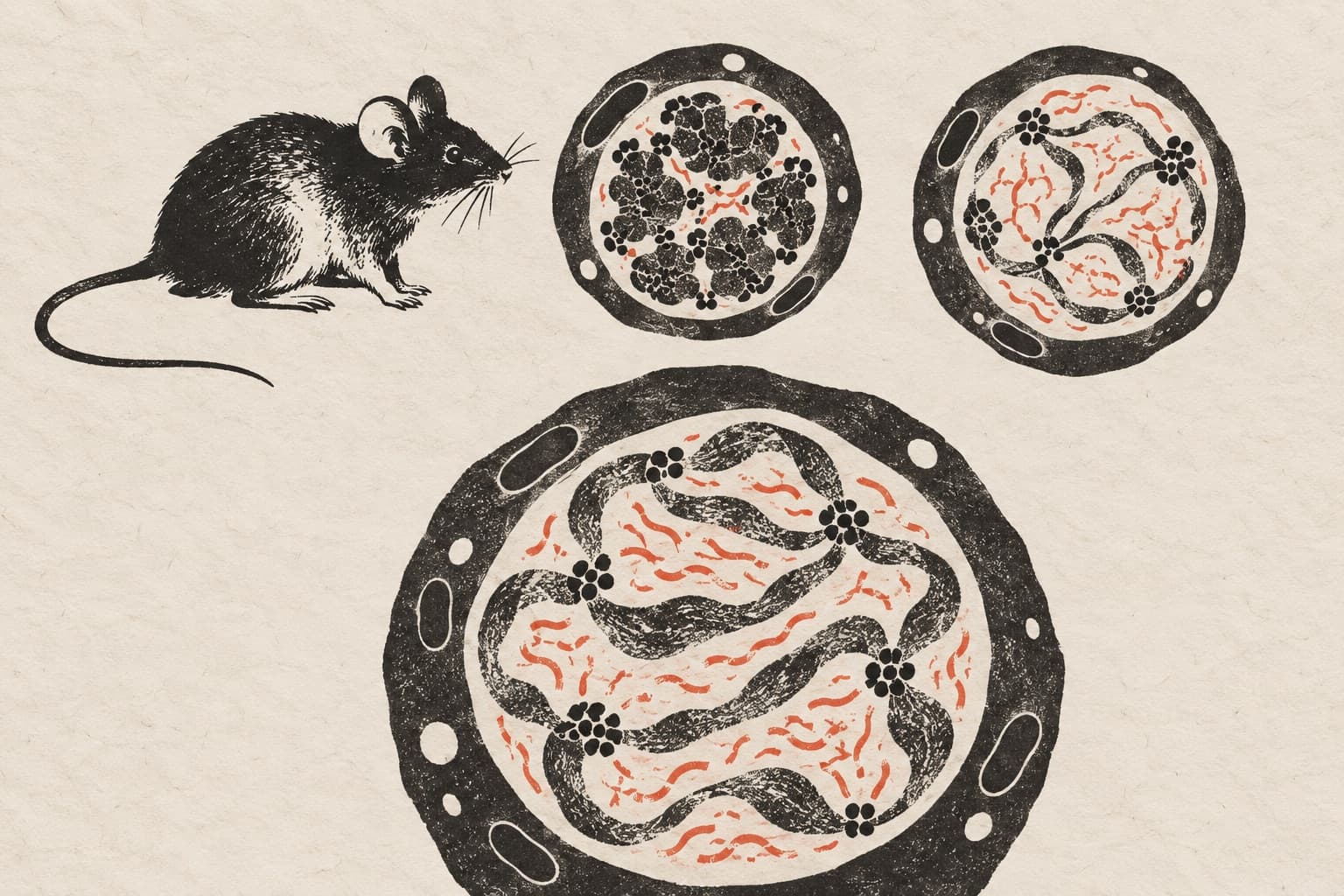
In mice, aging reshapes chromatin architecture and transcriptional regulation in naive CD4⁺ T cells, according to a new study. Aged naive CD4⁺ T cells showed intrinsic transcriptional reprogramming marked by increased expression of inflammatory and activation-related genes, rendering them more prone to activation.
These changes were accompanied by widespread weakening of topologically associating domain boundaries and extensive enhancer-promoter rewiring. The researchers found these structural shifts can be partly attributed to diminished expression of the chromatin organizer SATB1. In young naive T cells, SATB1 colocalizes with CTCF to spatially constrain binding sites. With age, the decline of SATB1 extended the range of CTCF-mediated interactions without altering CTCF occupancy, up-regulating proinflammatory and proactivation genes. Conditional deletion of SATB1 in murine naive T cells recapitulated both the 3D genome and transcriptional shifts seen in aging.
Why it matters
The findings suggest that the loss of structural chromatin organizers and the subsequent breakdown of 3D genome architecture may contribute to immune and organismal aging.
Caveats
The findings are based entirely on mouse models, and it remains to be seen whether identical SATB1-dependent chromatin alterations occur in aging human naive T cells.
The paper
Shanghai Jiao Tong University
Science Advances · 2 Oct 2026