DNMT3A mutations enhance macrophage migration in cells
Using human stem cell-derived macrophages, a preprint finds DNMT3A mutations derepress bivalent Polycomb target genes and enhance cell migration toward injured tissue.
bioRxiv
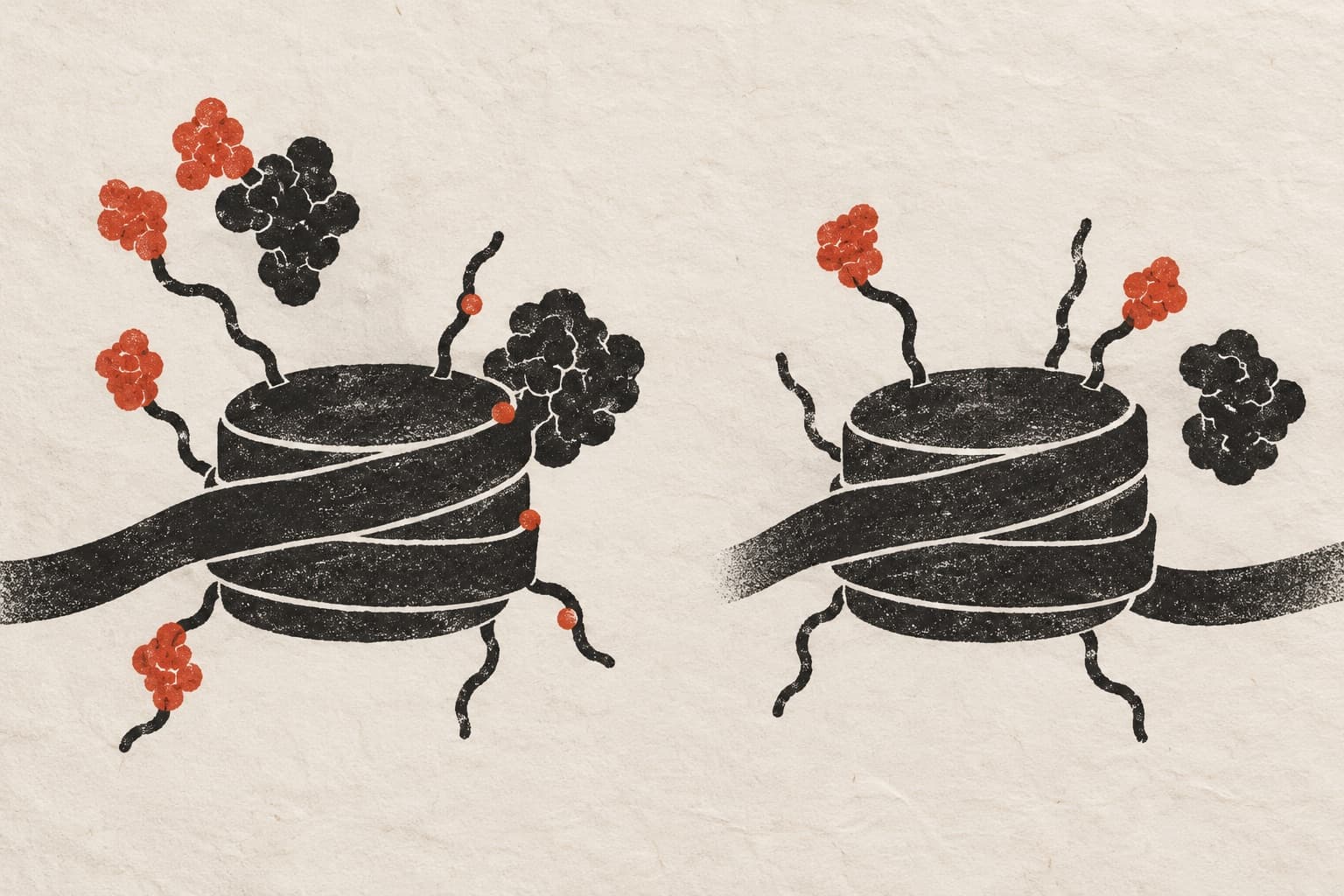
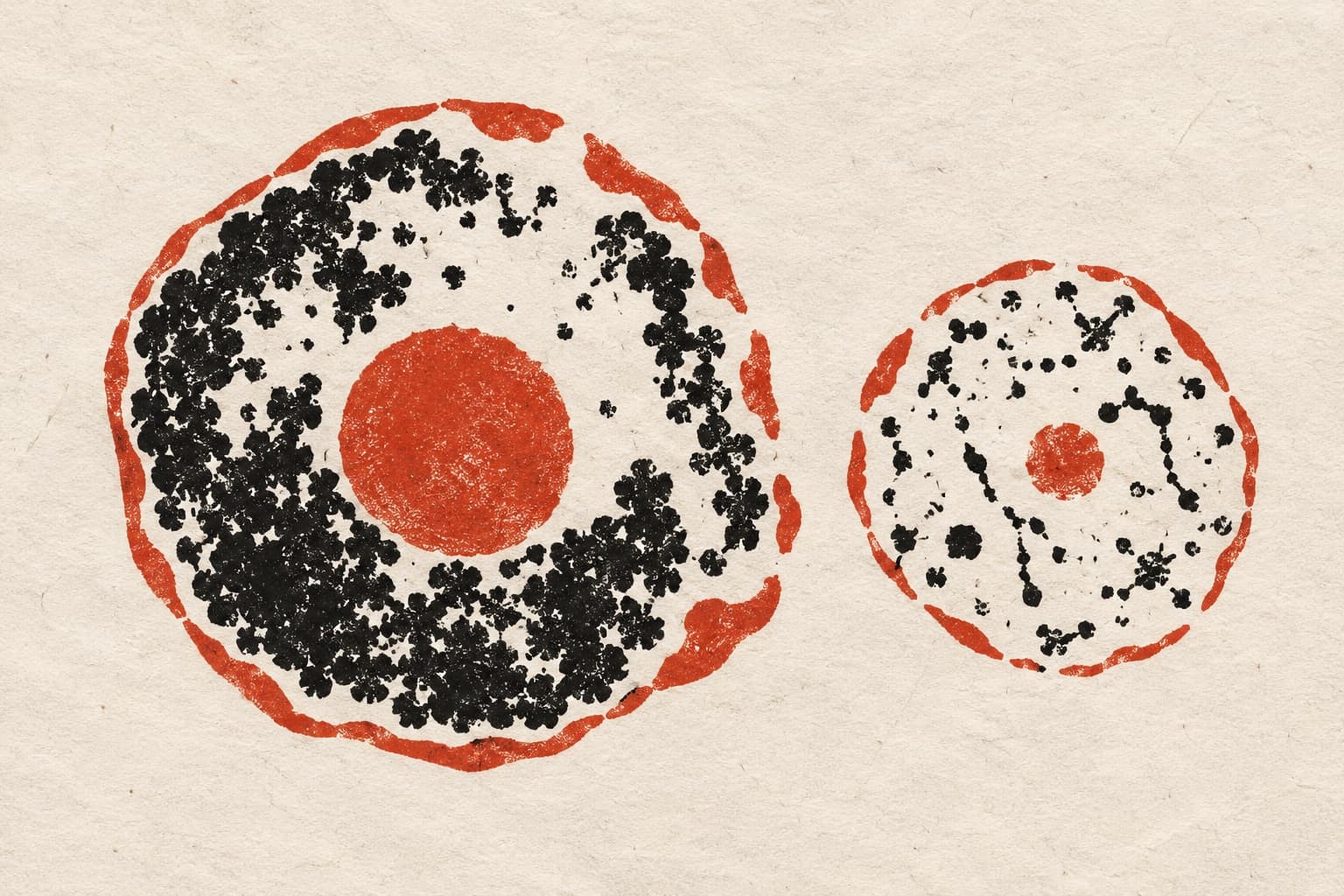
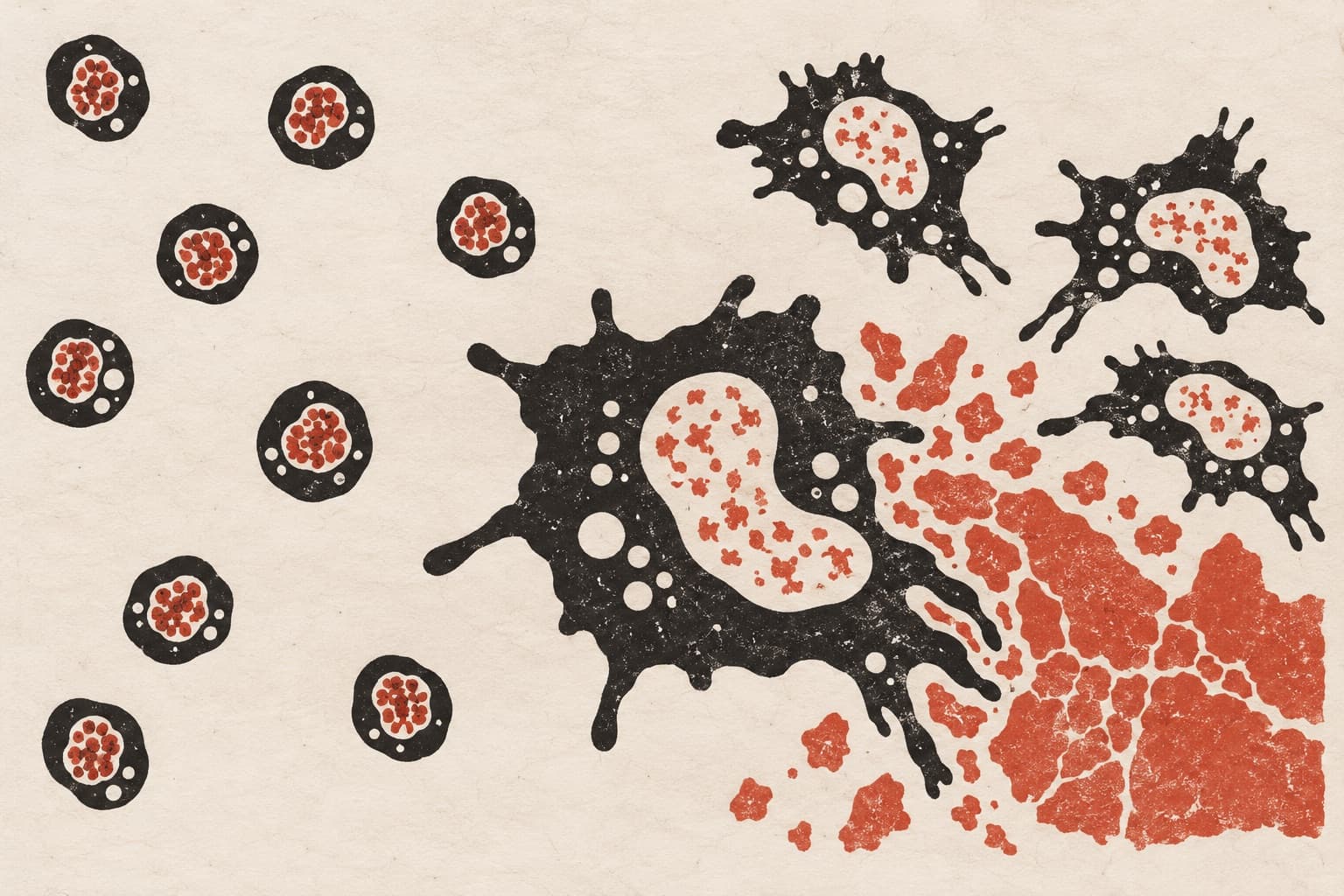
In isogenic human embryonic stem cell-derived macrophage models, researchers investigated how clonal hematopoiesis mutations in DNMT3A alter myeloid cell function, according to a bioRxiv preprint. The DNMT3A-mutant macrophages selectively upregulated bivalent Polycomb target genes. This derepression was accompanied by DNA hypomethylation, reduced H3K27me3, and increased promoter accessibility. While epigenetic alterations spanned bivalent promoters broadly, transcriptional activation occurred specifically at loci with lower baseline DNA methylation and higher H3K27me3. The authors found this Polycomb-associated program was conserved in murine macrophages and enriched for genes governing cell migration and wound repair. In functional tests, DNMT3A-mutant macrophages exhibited enhanced migration and preferential early recruitment to injured tissue.
Why it matters
Clonal hematopoiesis is common during aging and correlates with higher risks of inflammatory and cardiovascular diseases. Identifying how DNMT3A mutations alter mature macrophage behavior may help clarify how expanding mutant blood clones influence tissue repair and systemic disease.
Caveats
The results come from cultured human stem cell-derived and mouse macrophages rather than cells isolated from patients with clonal hematopoiesis. The paper is also a preprint that has not yet completed peer review.
- DNMT3A
- DNA methylation
- Chromatin and 3D genome organisation
- Clonal hematopoiesis of indeterminate potential
- H3K27me3
- Humans
The paper
Show 20 more authors
Yoshiko Takahashi, Jung-Yeon Lim, Xin Huang, Camille Brzechffa, Marie E. S. Wheeler, Hye-Ju Yang, Jihye Lee, Zachary S. Pope, Daniella Lu, Akshata N. Rudrapatna, Alec P. Pankow, Xiaoting Chen, Hongseok Yun, Matthew T. Weirauch, Ivan Marazzi, Brad R. Rosenberg, Emily R. Miraldi, Eirini P. Papapetrou, S. Armando Villalta, Angela G. Fleischman,University of California, Irvine
bioRxiv · 25 Sep 2026 · Preprint, not peer-reviewed