TRPM3 inhibition reverses depressive behaviors in rats
In ovariectomized rats, inhibiting TRPM3 with naringenin restored serotonin signaling and dendritic arborization while reducing neuroinflammation and depressive-like deficits.
The Journal of Pharmacology and Experimental Therapeutics
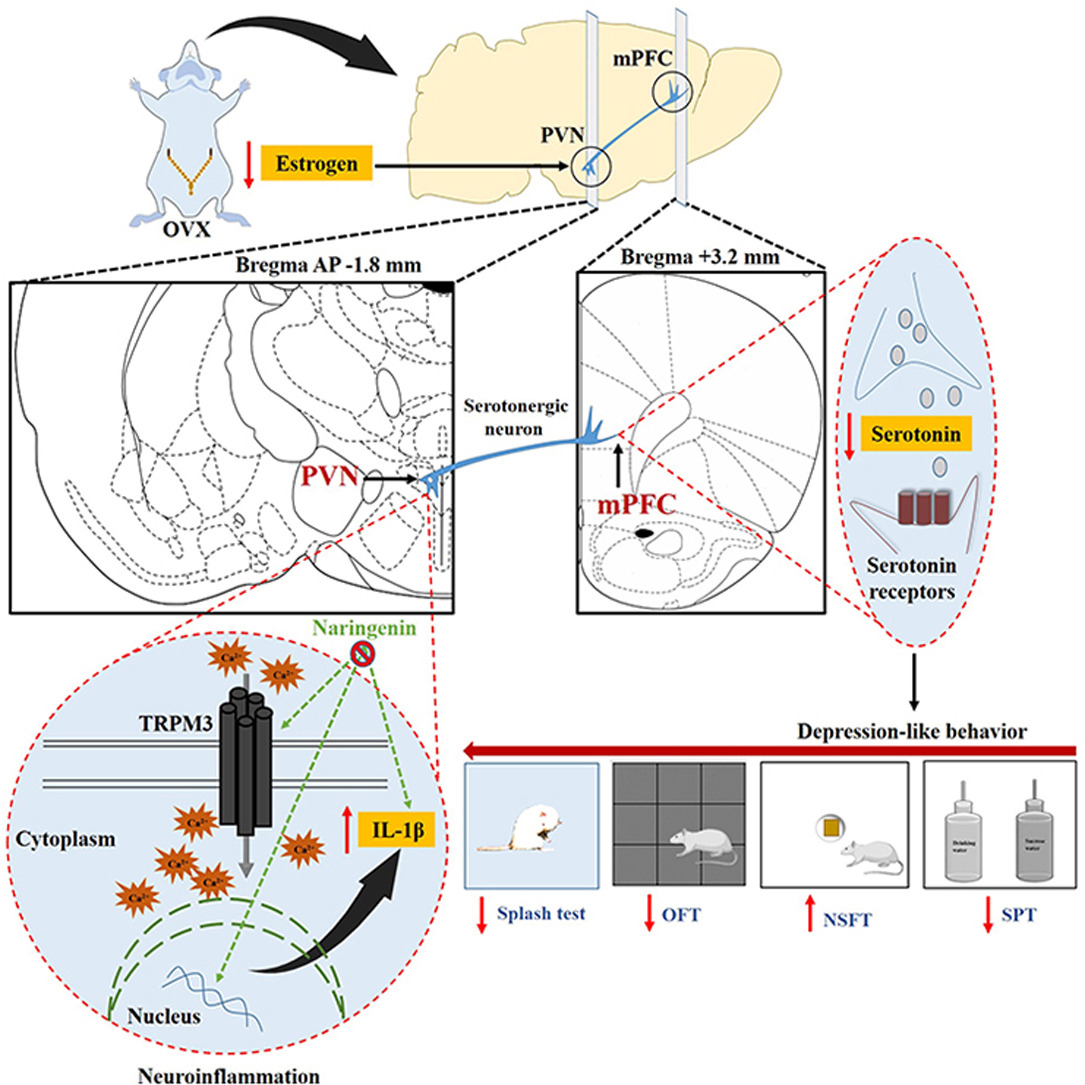
In bilateral ovariectomized rats, estrogen loss induced depression-like behaviors alongside neuroinflammation and altered brain signaling. Researchers observed higher expression of transient receptor potential melastatin 3 (TRPM3) channels and elevated interleukin-1β in the paraventricular nucleus of the hypothalamus. These changes coincided with reduced dendritic complexity and lower serotonin levels in the medial prefrontal cortex.
Retrograde tracing confirmed direct connectivity between the two regions, while immunofluorescence showed TRPM3 coexpressed with serotonin transporters in hypothalamic neurons. Intraperitoneal administration of the TRPM3 inhibitor naringenin reversed behavioral deficits, restored dendritic arborization in the hypothalamus, attenuated neuroinflammation, and normalized frontal serotonin levels.
Why it matters
Estrogen loss during reproductive aging often increases the risk of mood disorders that resist standard treatments. Identifying TRPM3 as a driver of hypothalamic neuroinflammation and disrupted serotonin signaling reveals a specific mechanism and potential therapeutic target for menopause-associated depression.
Caveats
The findings are limited to an animal model using surgically induced ovarian failure, which does not fully mimic the gradual hormonal trajectory of human menopause. Clinical studies will be necessary to test whether TRPM3 inhibition works safely and effectively in humans.
The paper
Narsee Monjee Institute of Management Studies
The Journal of Pharmacology and Experimental Therapeutics · 22 Jul 2026