Voluntary running shows limited neuroprotection in mice
In 5xFAD mice, 16 weeks of voluntary wheel running altered fat tissue but produced modest hippocampal changes and failed to improve amyloid pathology or memory.
bioRxiv
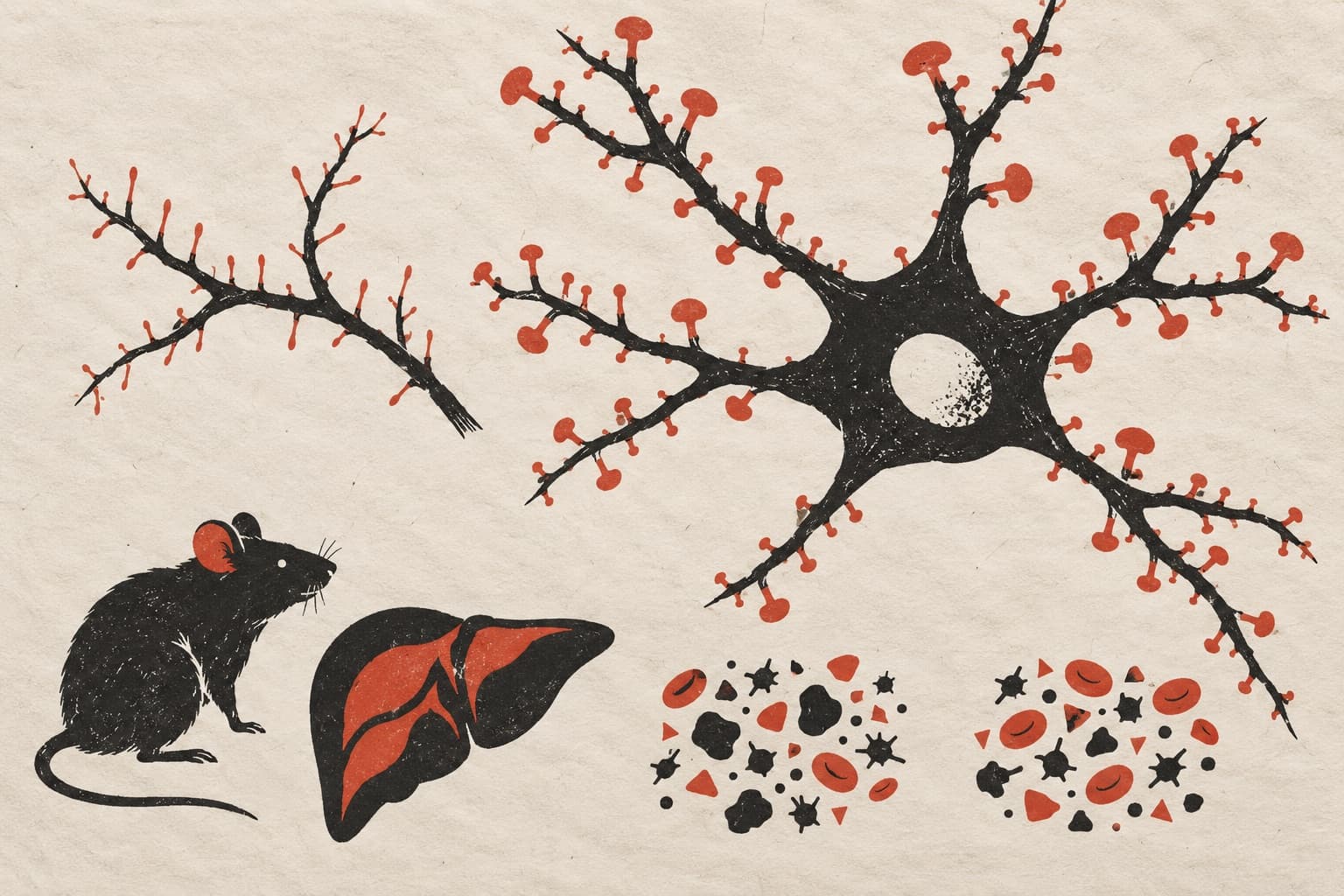
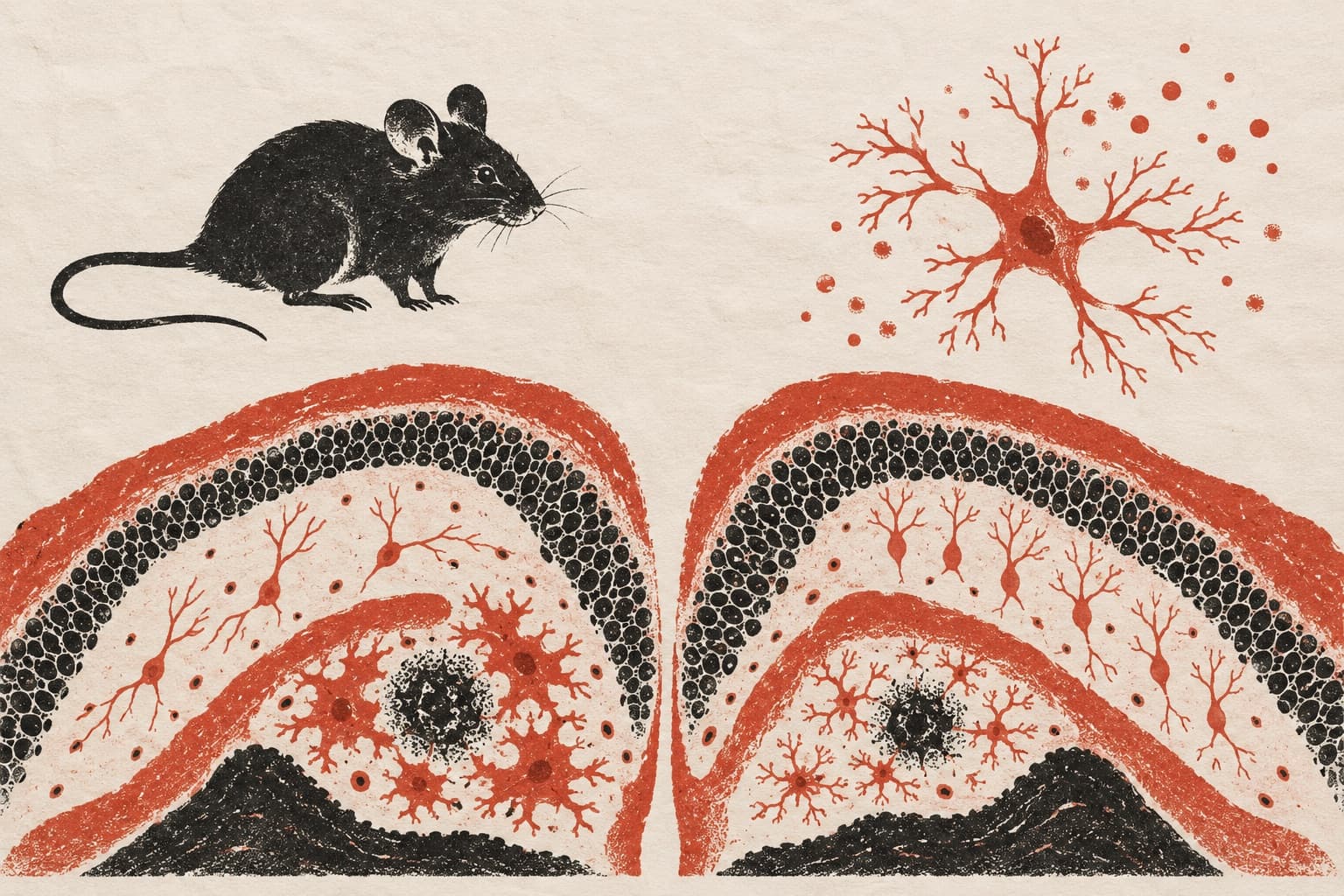
In 5xFAD mice, prolonged exercise failed to generate broad neuroprotective benefits despite engaging peripheral metabolism, according to a preprint on bioRxiv. Researchers gave male and female mice continuous access to either a free or locked running wheel for approximately 16 weeks, beginning at six and three months of age, respectively. Running triggered expected adaptations in peripheral fat, reducing inguinal white adipose tissue mass in females and increasing thermogenic gene markers in both sexes. However, hippocampal molecular changes were modest. Bulk RNA sequencing identified only four differentially expressed genes in males and none in females. While pathway analyses revealed shifts in synaptic, mitochondrial, and immune programs, these did not translate into increased synapse density or reduced amyloid plaque burden. Exercise also failed to improve spatial learning, memory, or species-typical nesting behavior.
Why it matters
Physical activity is widely studied as a lifestyle intervention to delay brain aging and cognitive decline. These findings suggest that an existing neurodegenerative disease state may constrain the brain's ability to translate exercise-induced molecular signals into meaningful neuroprotection.
Caveats
The study was conducted in a transgenic mouse model of aggressive amyloid pathology and has not yet undergone peer review. In addition, hippocampal and adipose transcriptomic analyses were limited to five animals per sex and group.
The paper
Show 10 more authors
José Arquimides Godoy-Lugo, Khristina E. Young, Tiarra Joseph, Kailin Liu, Iris Daphne Kruijff, Emily Morales, Mia Hakian, Allison Birnbaum, Rik van der Kant, Cristal M. Hill,University of Southern California
bioRxiv · 22 Sep 2026 · Preprint, not peer-reviewed