Chemical exposure caused Parkinson’s-like changes in mice
Exposed mice developed dose-dependent movement and thinking problems, alongside signs of senescence, a state in which cells stop dividing, in brain immune cells.
Dose-response
Limit: Exposure doses were not reported, preventing comparison with everyday exposure
Edited by Boris Djordjevic · AgingResearch.News
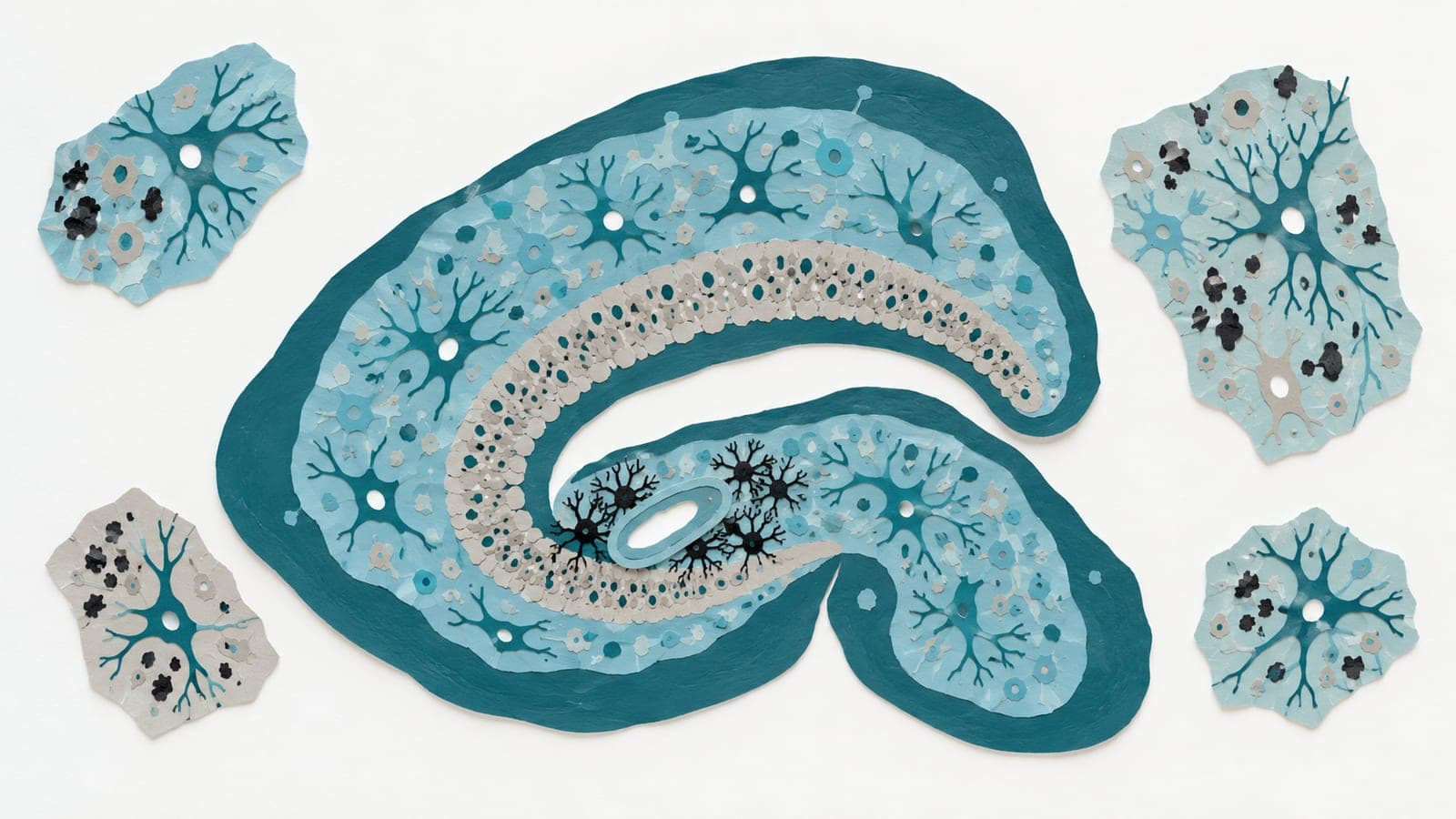
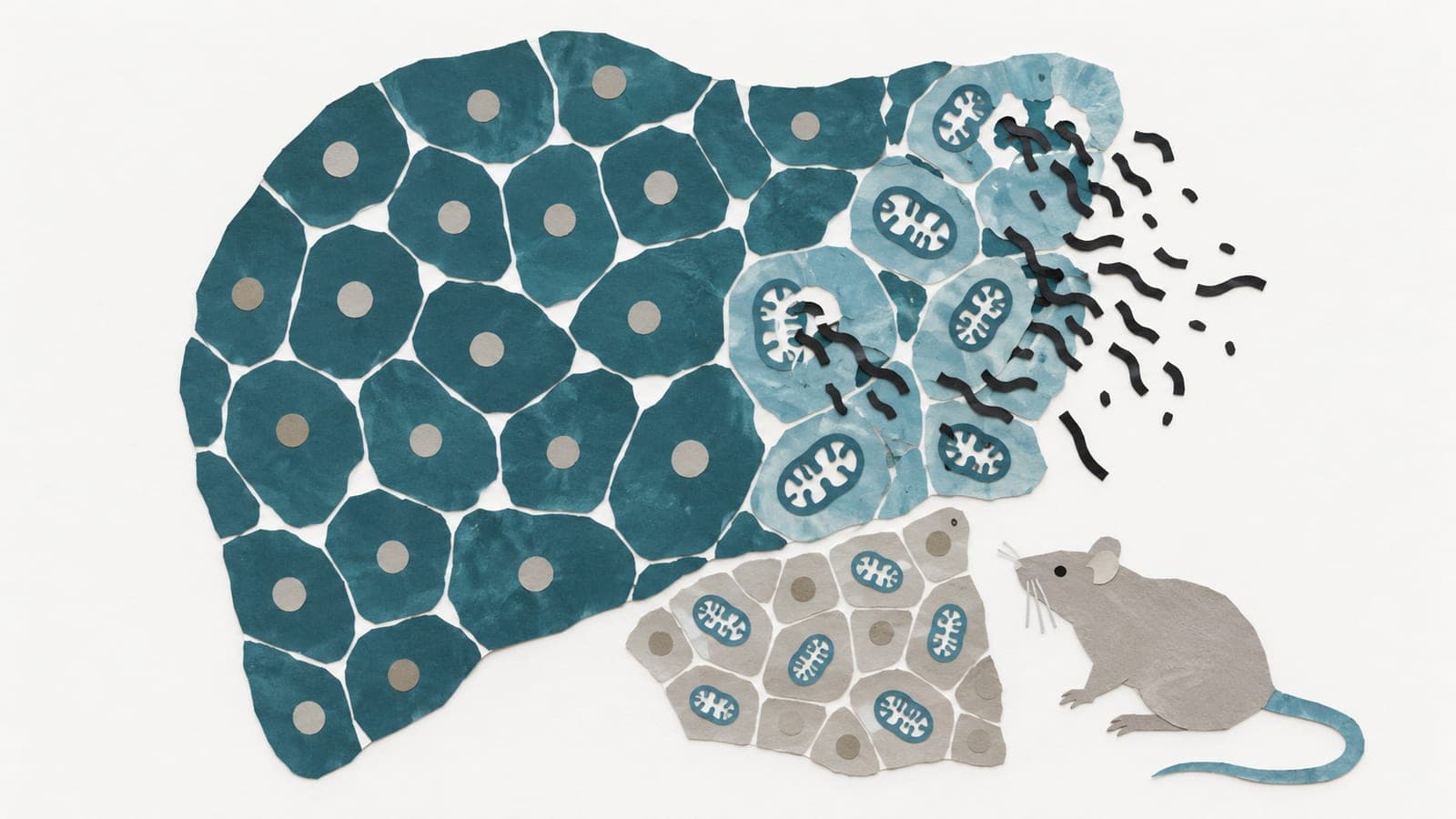
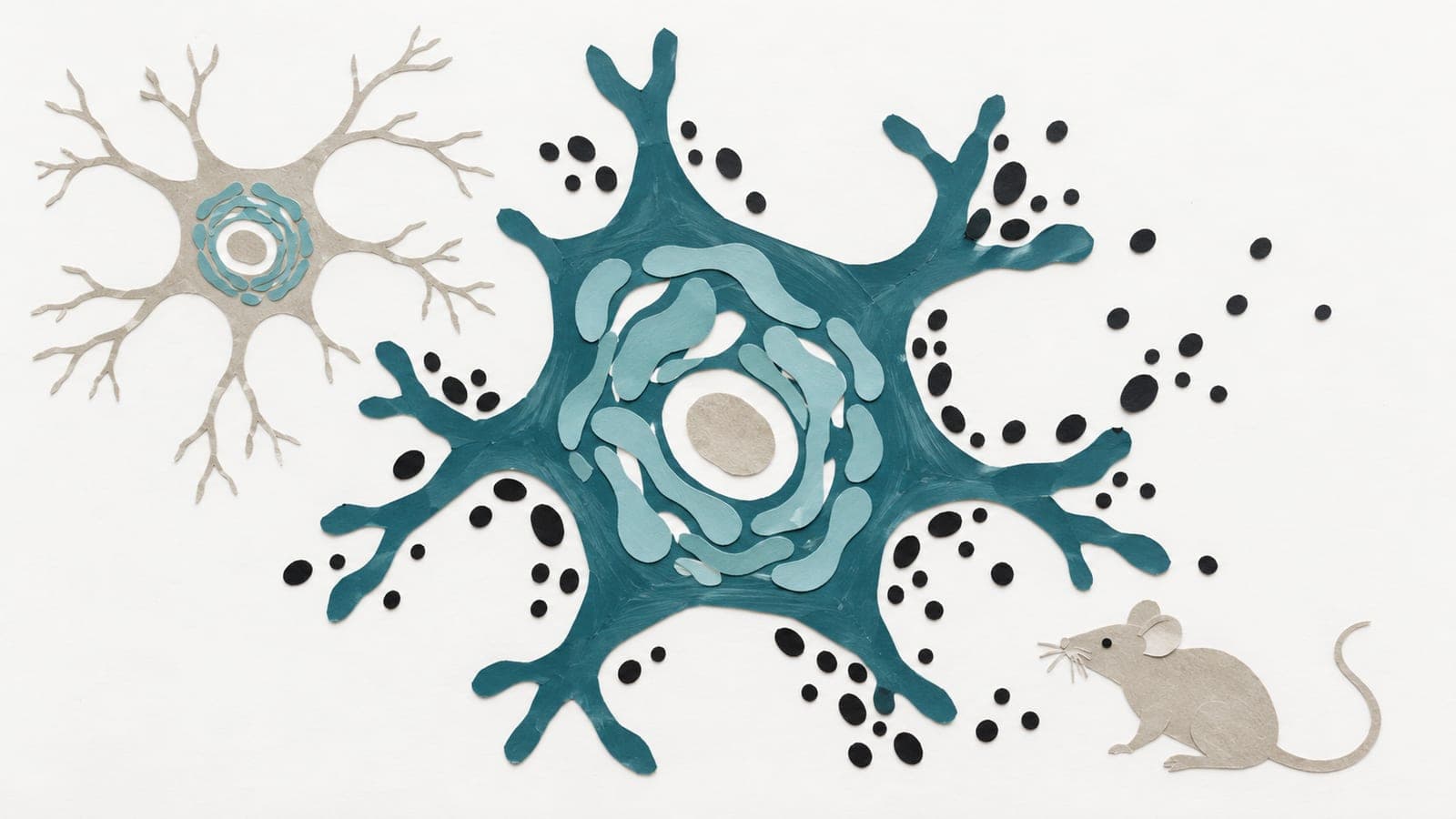
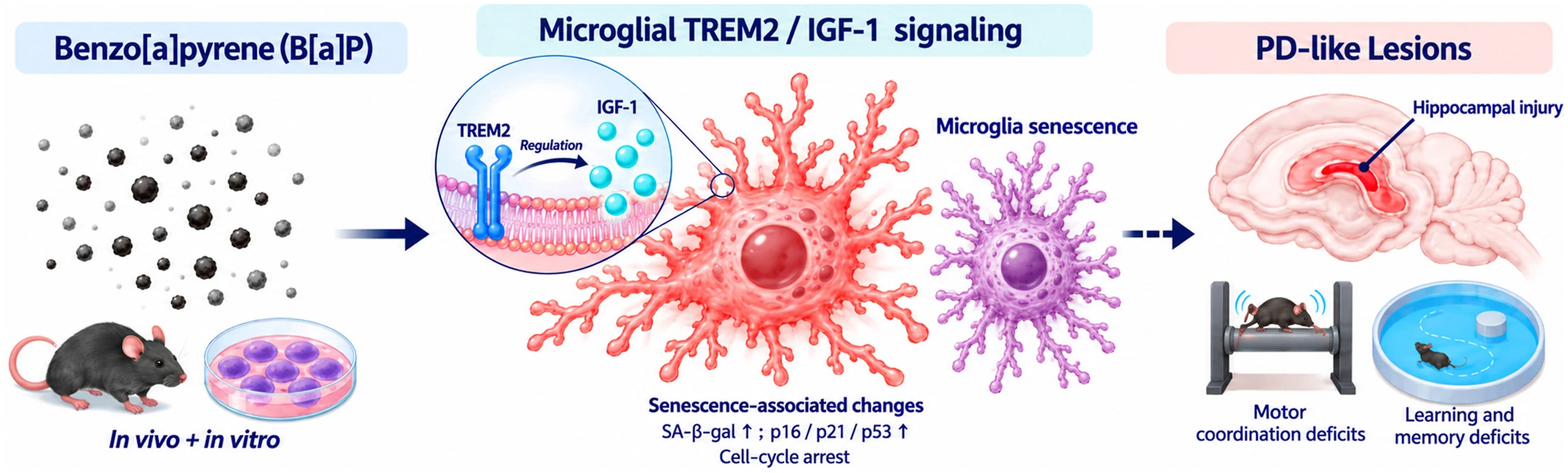
In mice, an animal experiment found that exposure to benzo[a]pyrene, an environmental chemical, caused Parkinson’s disease-like changes. Exposed mice developed dose-dependent problems with movement coordination and thinking compared with controls. Their microglia, immune cells in the brain, also showed signs of senescence.
In BV2 microglial cells grown in the lab, exposure also halted cell division. Increasing a receptor protein called triggering receptor expressed on myeloid cells 2 reduced the senescence response; deleting its gene worsened it. Further experiments identified insulin-like growth factor 1, a signaling protein regulated by that receptor, as necessary for the response. The researchers concluded that signaling through these proteins primarily mediated the chemical-induced senescence.
Why it matters
The study addressed whether senescence in brain immune cells helps connect environmental chemical exposure to Parkinson’s disease, an age-related disorder.
Caveats
Experiments in mice and a laboratory cell line cannot establish whether this exposure causes Parkinson’s disease in people. The abstract did not give sample sizes, exposure doses or duration.
The paper
Shanxi Medical University
Chemico-biological Interactions, Oct 26, 2026