Modified compound reduced acute kidney injury in mice
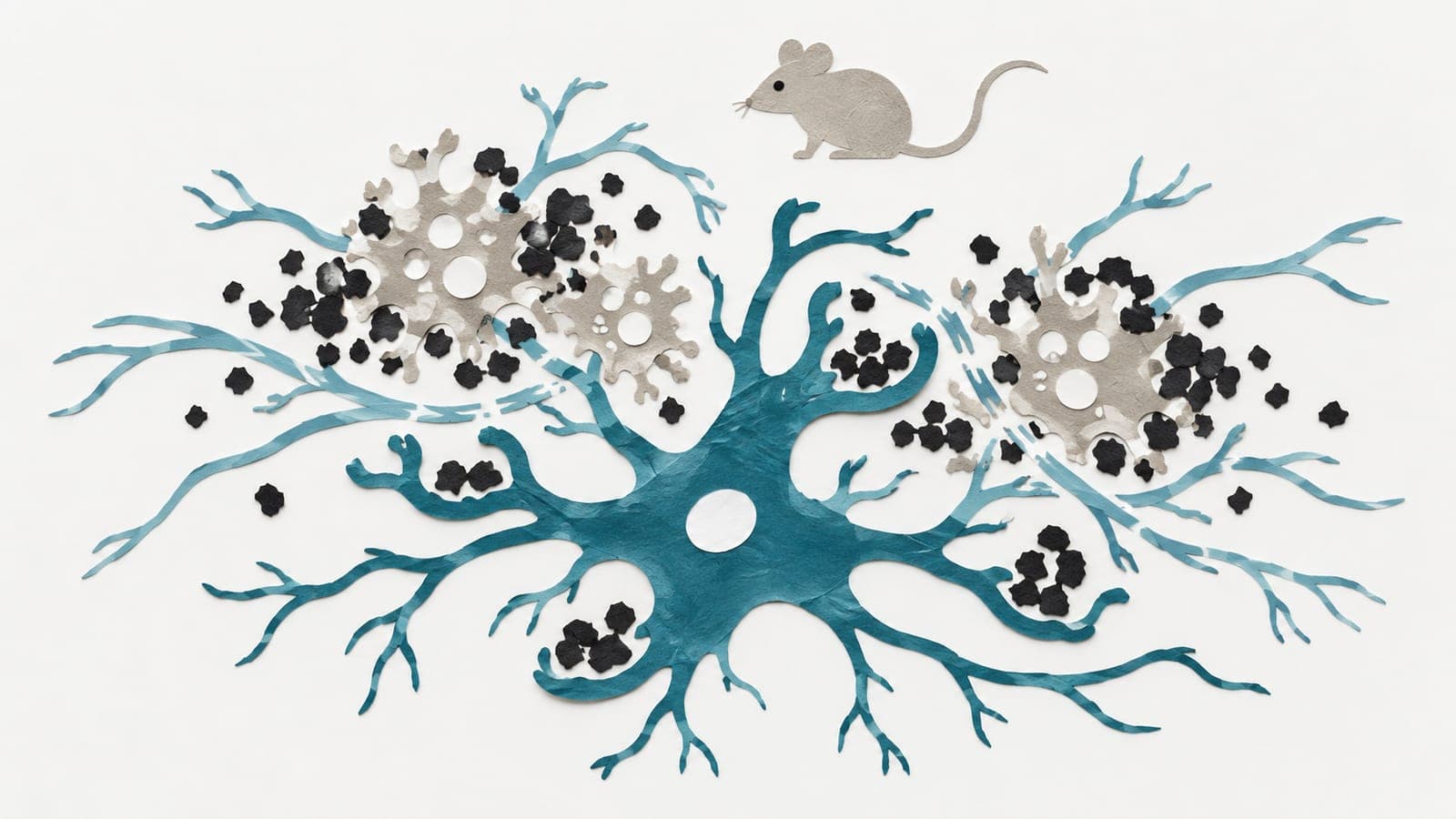
Experiments in young male mice found that linking nicotinamide mononucleotide to a polymer improved kidney uptake and reduced injury over 48 hours.
Randomized, dose-response
Limit: Injury outcomes ended at 48 hours after ischemia, leaving longer-term kidney recovery unmeasured
Edited by Boris Djordjevic · AgingResearch.News
Male C57BL/6J mice aged 6–8 weeks underwent experiments in which researchers temporarily cut off blood flow to both kidneys to cause acute kidney injury. They tested nicotinamide mononucleotide linked to polyethylene glycol, a polymer made of repeating units. Mice received intravenous injections of the modified compound at 20 milligrams per kilogram at two and 24 hours after blood flow returned. Researchers assessed injury at 48 hours.
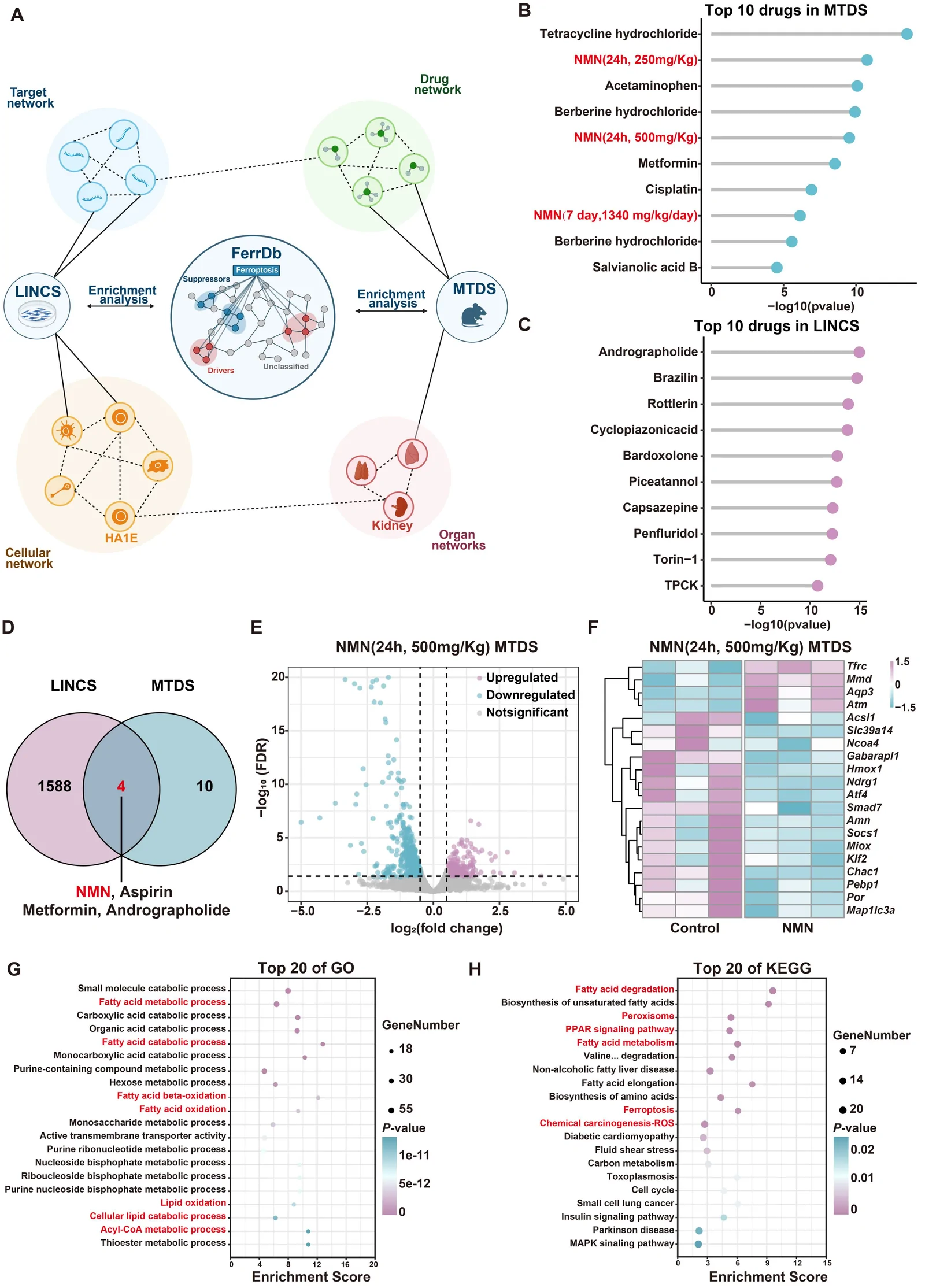
Compared with unmodified nicotinamide mononucleotide, the modified compound accumulated more readily in the kidney cortex, the organ’s outer region. Compared with injured mice not given the compound, treated mice had less kidney tubule damage and lower blood markers of impaired kidney function. They also showed less inflammation and ferroptosis, an iron-dependent form of cell death.
Why it matters
Cell death and inflammation bear on how tissues sustain damage. The authors proposed the compound’s effects on these processes as a possible direction for developing drugs for acute kidney injury.
Caveats
The main injury experiment lasted only 48 hours and tested experimentally induced injury in young male mice. It did not test benefits in older animals or people.
Nicotinamide mononucleotide is part of David Sinclair's daily regimen in LifespanMore supplements
The paper
Academy of Military Medical Sciences; National Kidney Foundation
International Journal of Biological Sciences, Oct 2, 2026, Open access