Gut microbial bile acid reduced muscle wasting in diabetic mice
In an animal experiment, 7-ketodeoxycholic acid also restored muscle function and enhanced exercise capacity in mice with type 2 diabetes.
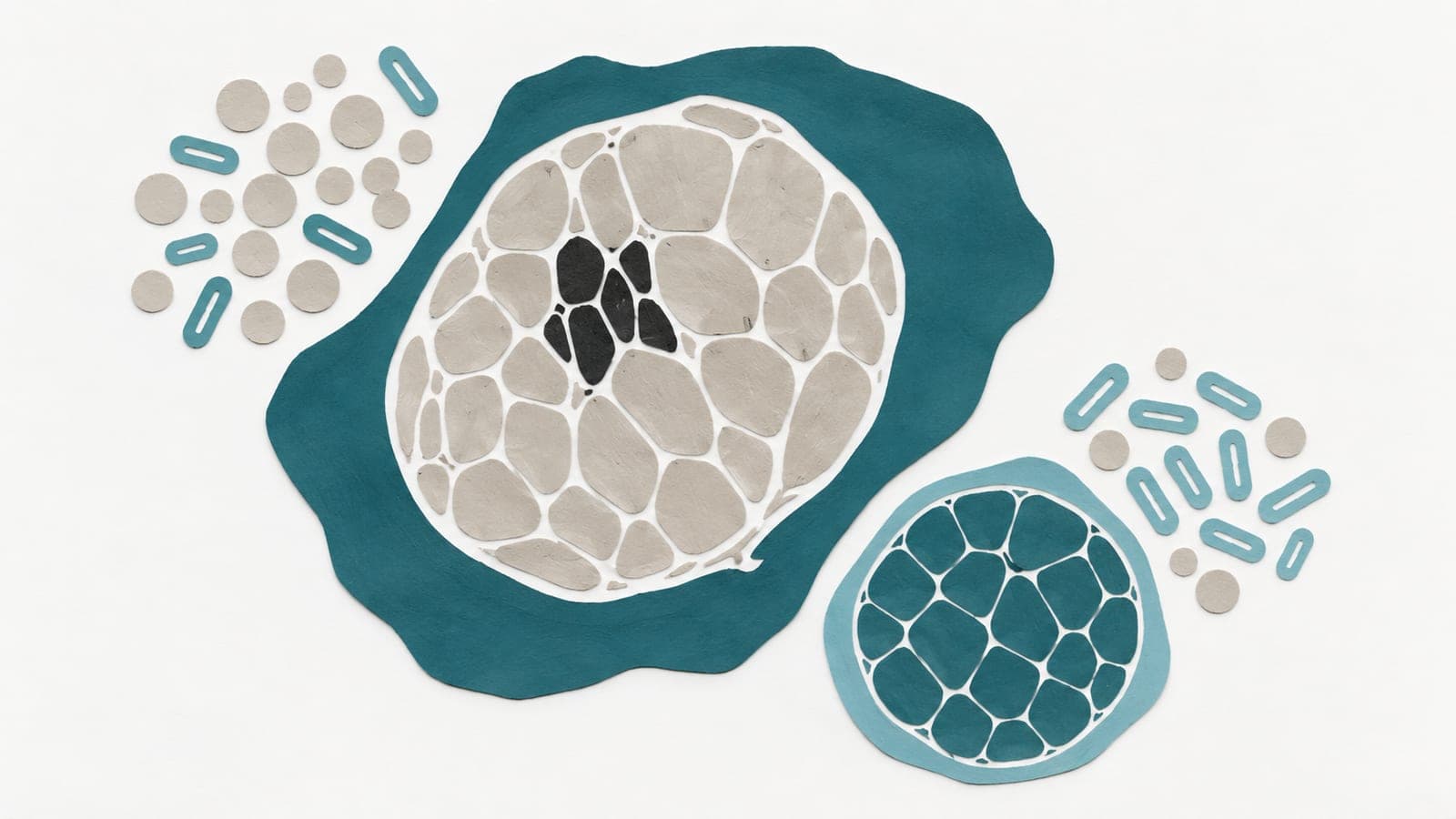
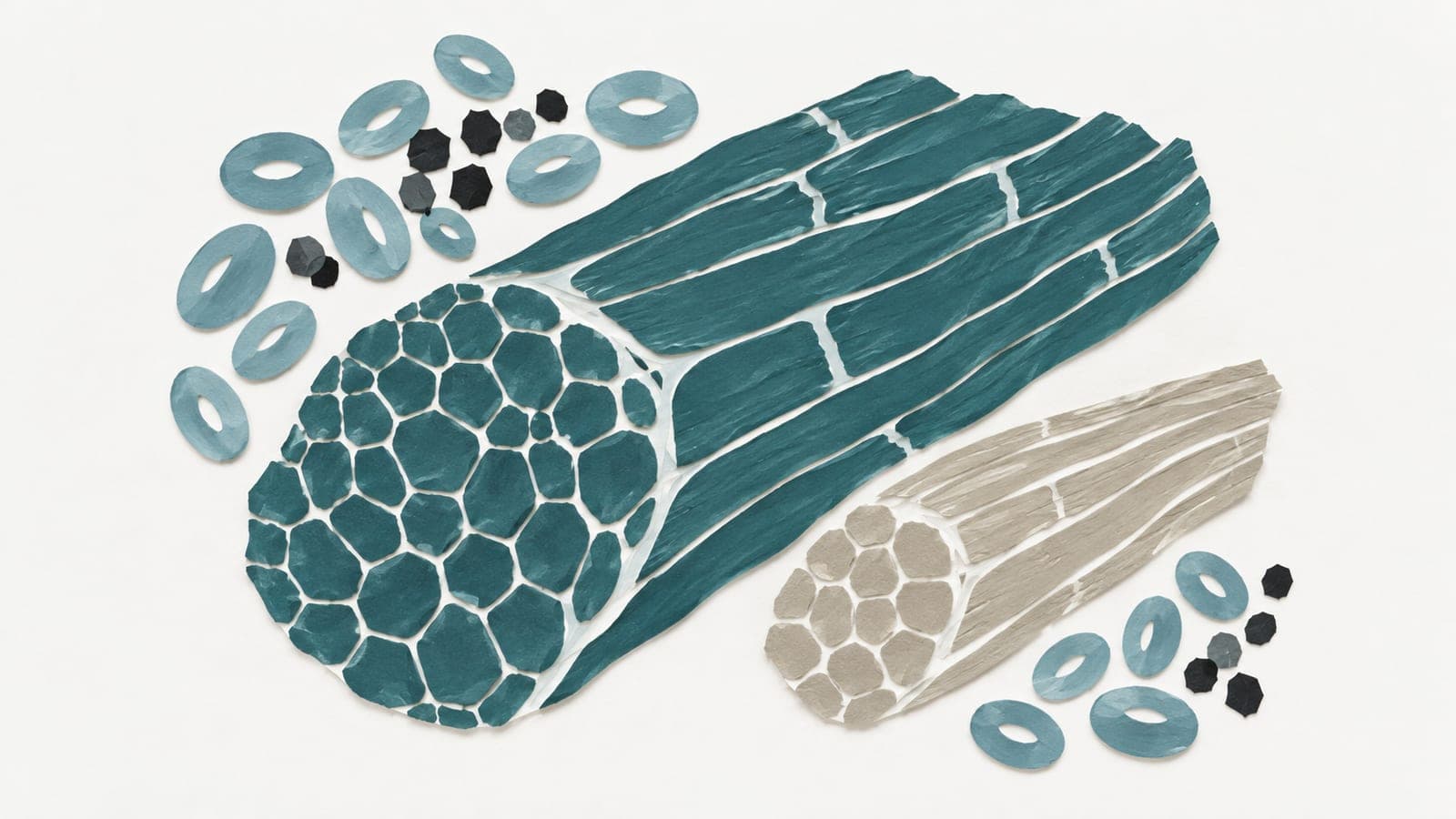
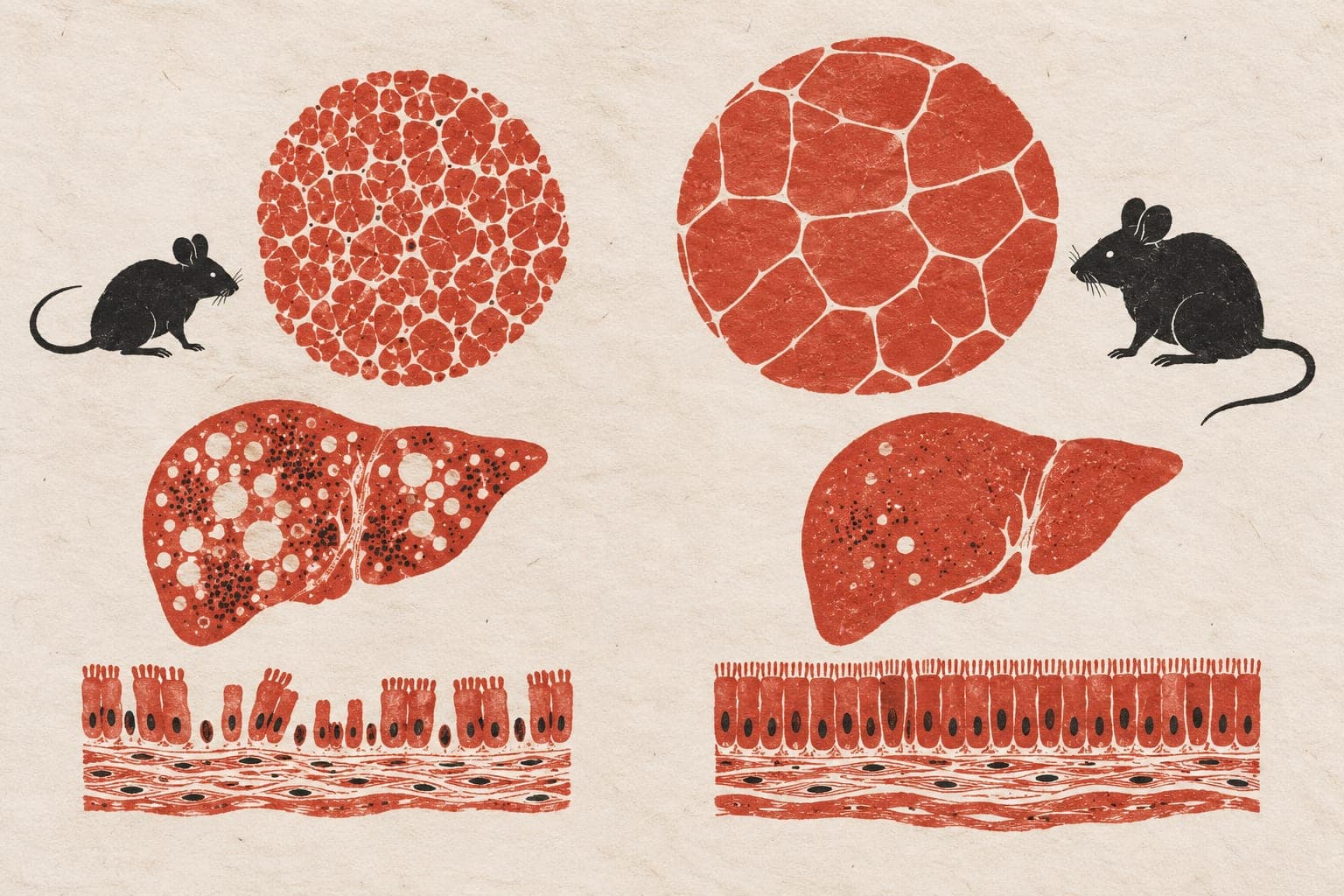
Researchers gave 7-ketodeoxycholic acid (7-KDCA), a bile acid made by gut microbes, to mice with type 2 diabetes in an animal experiment on muscle wasting. The compound reduced muscle wasting, restored muscle function and enhanced exercise capacity. It also improved the mice’s ability to handle glucose.
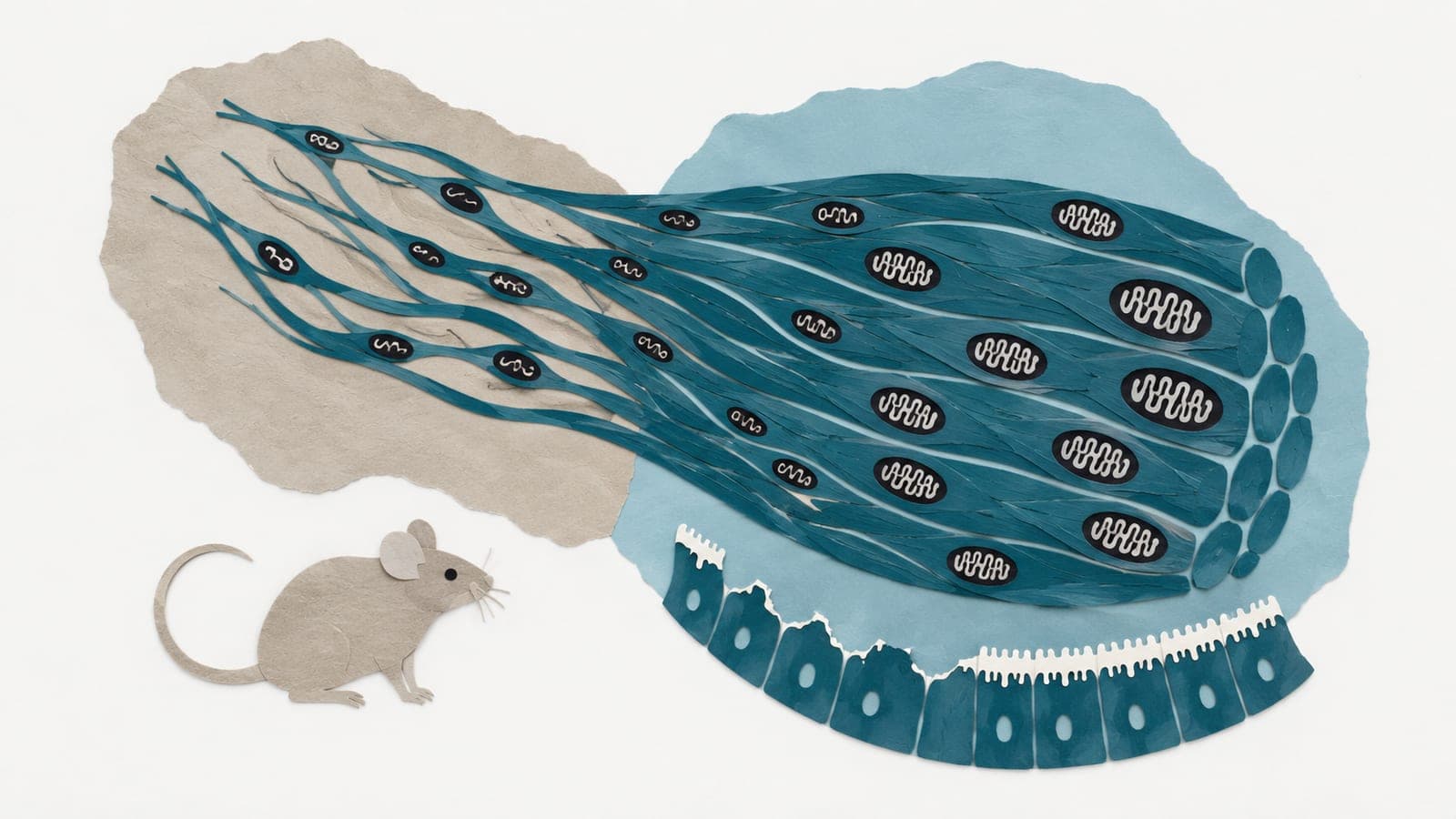
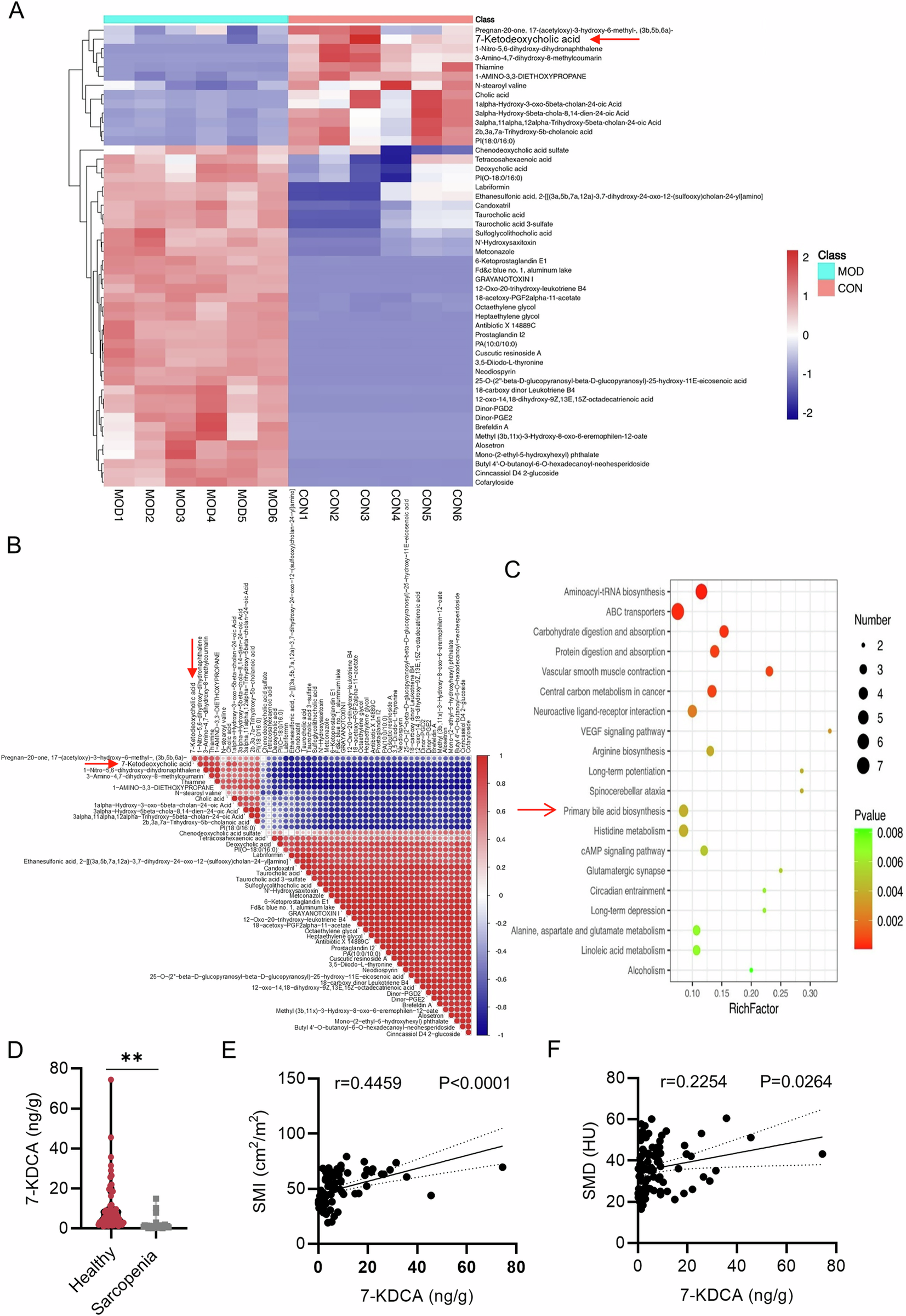
In lab-grown muscle cells, 7-KDCA inhibited an inflammation-related protein complex and suppressed ferroptosis, a form of cell death that depends on iron. The researchers also reported lower 7-KDCA levels in people with type 2 diabetes and sarcopenia, the loss of muscle mass and function. Among enrolled patients, higher levels were associated with higher measures of muscle mass and density.
Why it matters
Diabetes-related muscle wasting is a growing concern in aging populations. The work points to a gut microbial compound as a candidate for addressing this problem.
Caveats
The experiments in mice and lab-grown cells do not establish whether 7-KDCA would benefit people. The patient findings were associations, not evidence of a treatment effect.
The paper
Cell Death Discovery, 14 Oct 2026, Open access, CC BY