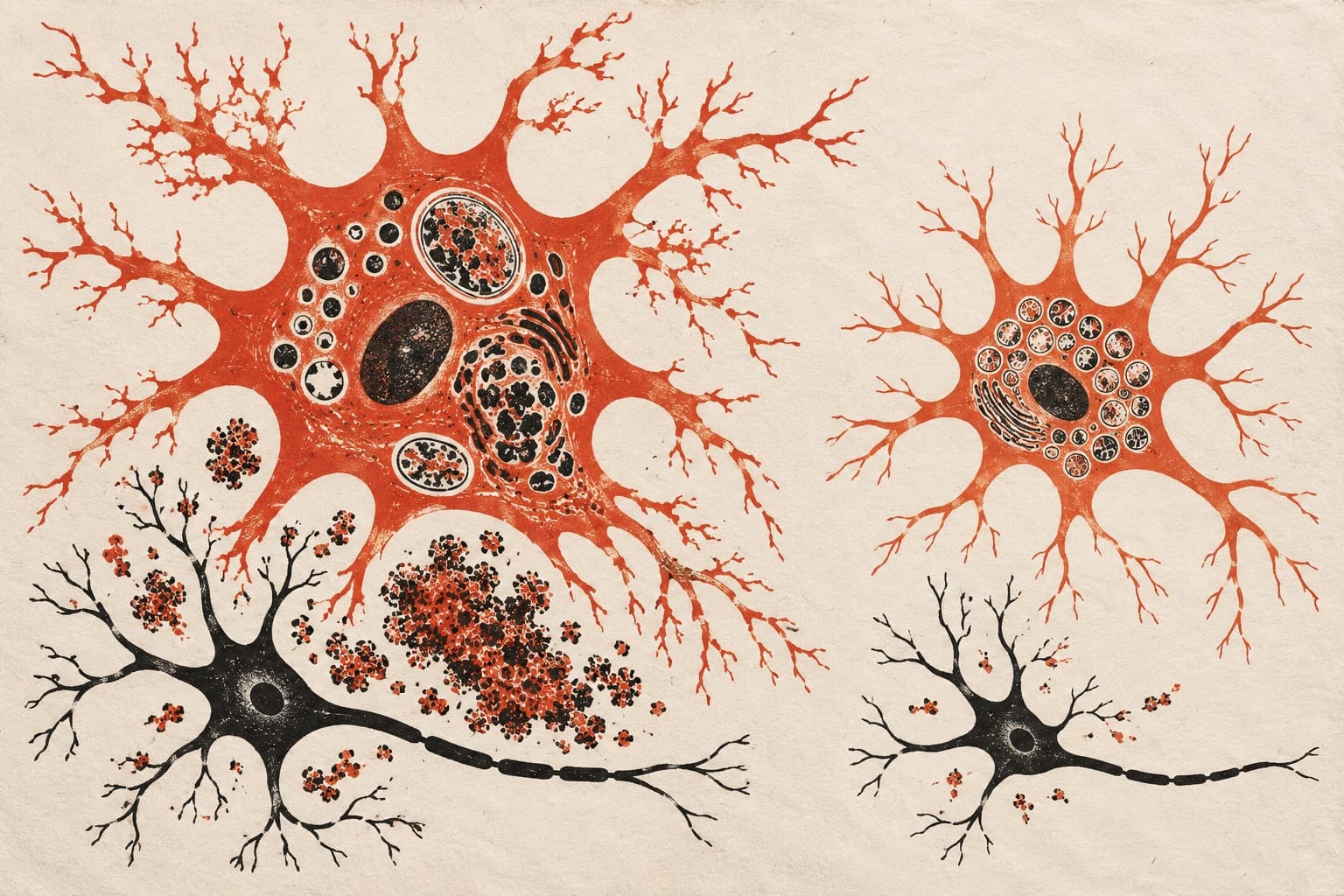
Lowering gene activity reduced brain inflammation in mice
In mice used to study Alzheimer’s disease, reducing the gene’s activity in brain immune cells also reduced amyloid deposits.
Limit: The mouse experiment used genetic manipulation rather than a drug treatment
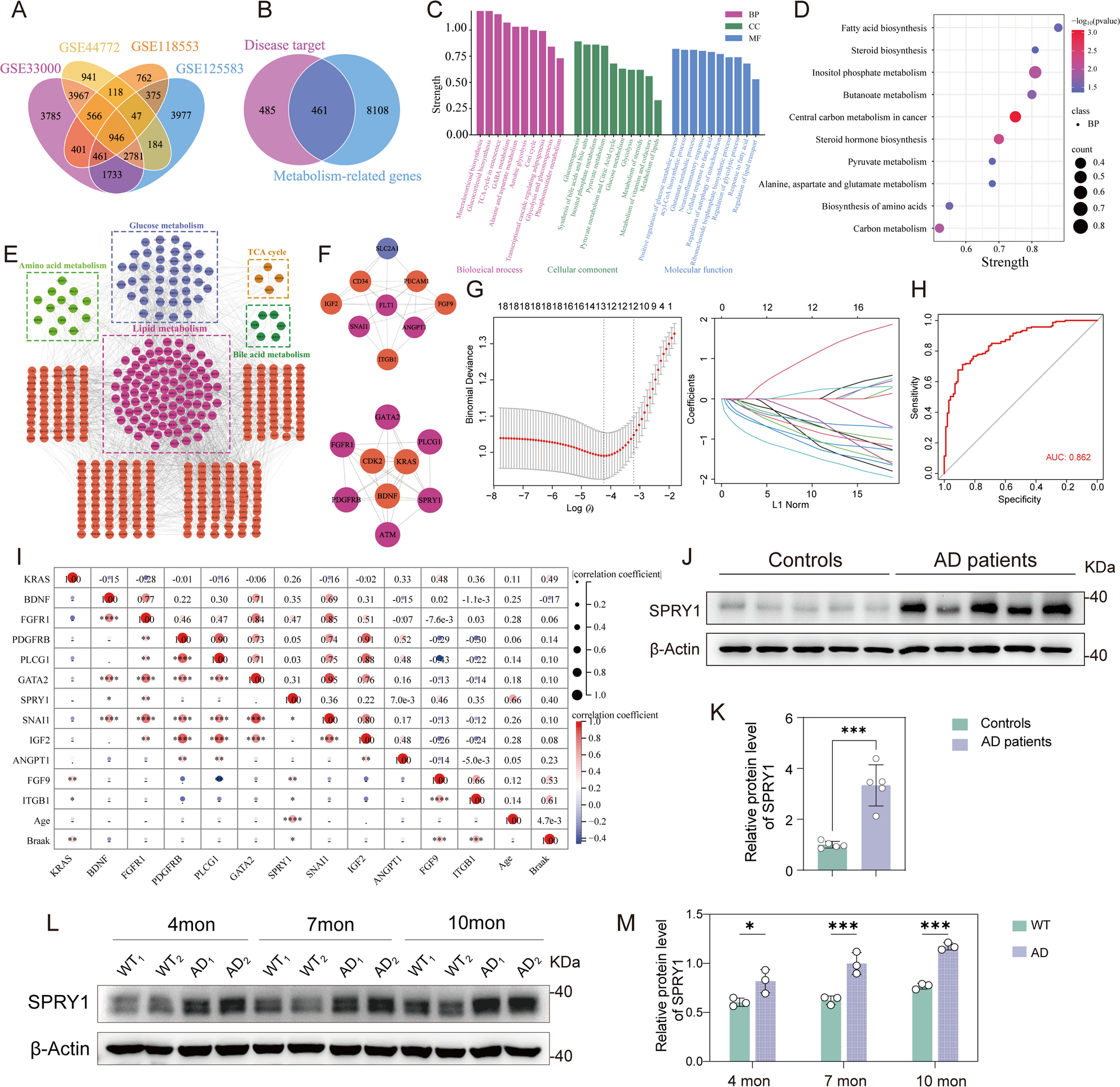
In APP/PS1-21 mice, a model of Alzheimer’s disease, researchers lowered activity of SPRY1, a gene involved in fat processing, specifically in microglia, the brain’s immune cells. This genetic experiment reduced amyloid protein deposits and brain inflammation. In microglia studied in the lab, lowering SPRY1 activity increased uptake of amyloid-beta, the protein that forms these deposits, and reduced inflammation-promoting proteins. Laboratory experiments also found protection against amyloid-beta damage in nerve cells.
The researchers identified a mechanism in which the SPRY1 protein kept a fat-transport protein from reaching mitochondria, the cell’s energy-producing structures. This reduced fat breakdown and promoted fat-droplet buildup, favoring inflammation.
Why it matters
The study points to fat processing in brain immune cells as a possible target for research on Alzheimer’s disease, an age-related brain disorder.
Caveats
The mouse results came from genetic manipulation, not a drug trial in people. They do not establish whether targeting this pathway would help people with Alzheimer’s disease.
The paper
Nanjing Medical University
Journal of Neuroinflammation, Jul 22, 2026, Open access