Enzyme helps regulate inflammation in lab-grown brain immune cells
Experiments in lab-grown brain immune cells found that reducing one enzyme suppressed inflammatory signals triggered by three different stimuli.
Limit: Enzyme-reduction experiments measured inflammatory signals, not neurodegenerative disease outcomes
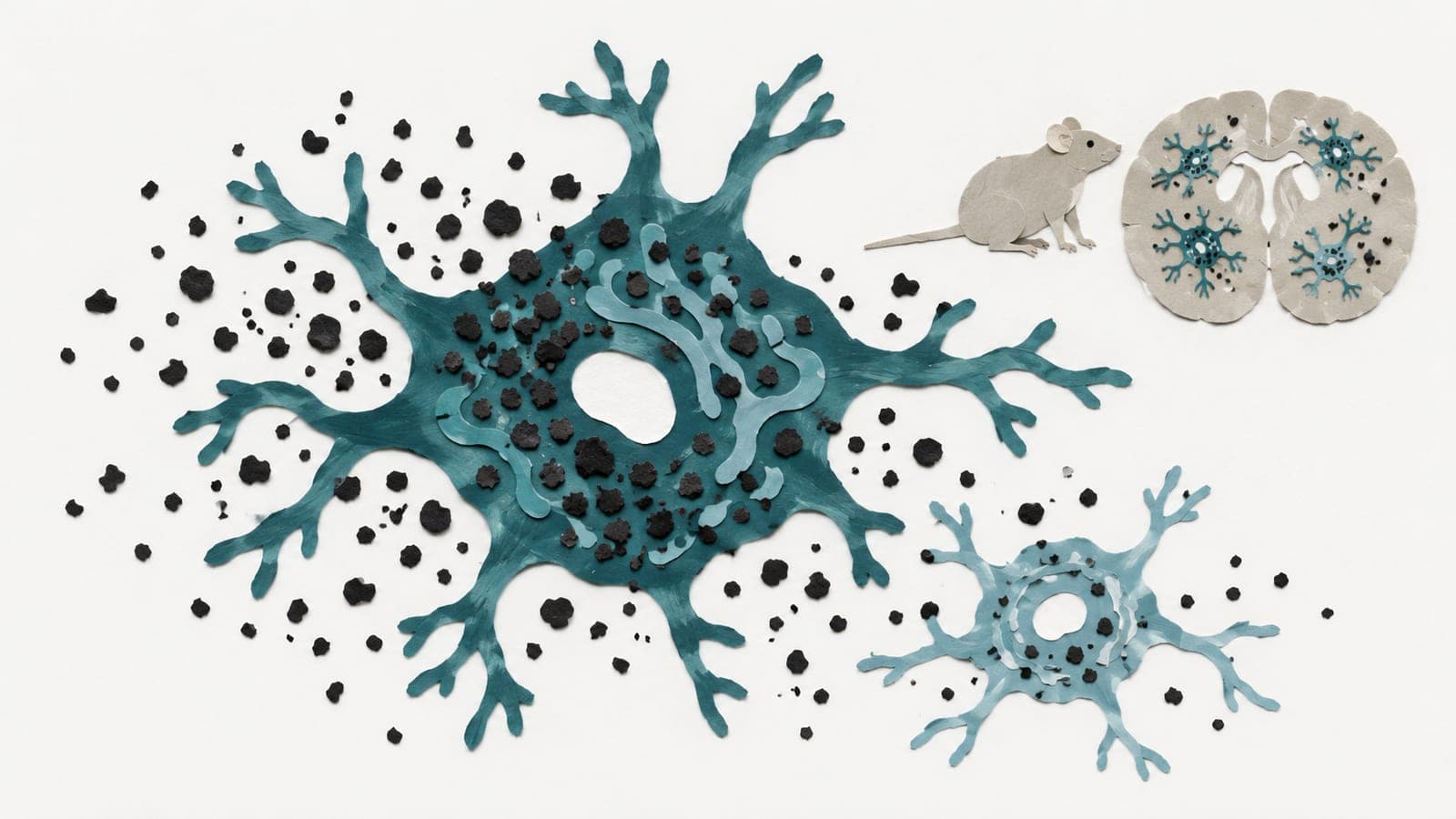
In BV2 microglia, a line of brain immune cells grown in the lab, researchers investigated a shared mechanism of inflammation. They exposed the cells to amyloid-beta, a protein fragment; lipopolysaccharide, a bacterial component; or high glucose. Each stimulus increased inflammatory signals and protein palmitoylation, the attachment of a fatty acid to proteins.
All three stimuli also increased zDHHC11, an enzyme that adds this modification. Reducing its production suppressed the production and release of inflammatory signals and lowered levels of two proteins in a shared inflammation-signalling pathway. The researchers also found higher levels of zDHHC11 in brain sections from animal models of Alzheimer's disease, Parkinson's disease and diabetes-related cognitive impairment.
Why it matters
For neurodegenerative diseases such as Alzheimer's and Parkinson's, the work points to a potential shared target for efforts to limit brain inflammation.
Caveats
The enzyme-reduction experiments used lab-grown cells, so they do not establish benefits from targeting the enzyme in animals or people.
The paper
Tianjin University of Traditional Chinese Medicine
Neuropharmacology, 16 Oct 2026

