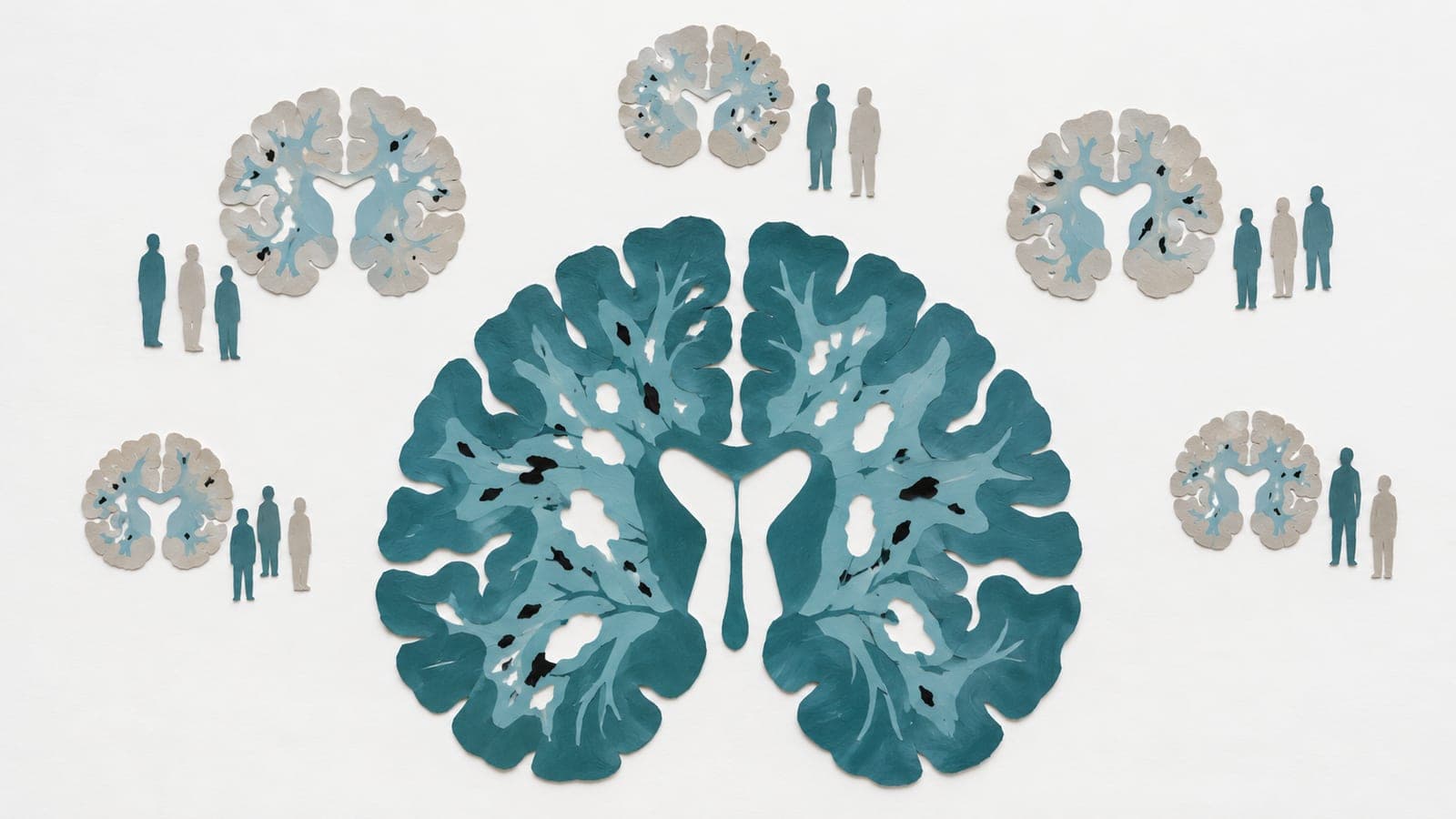
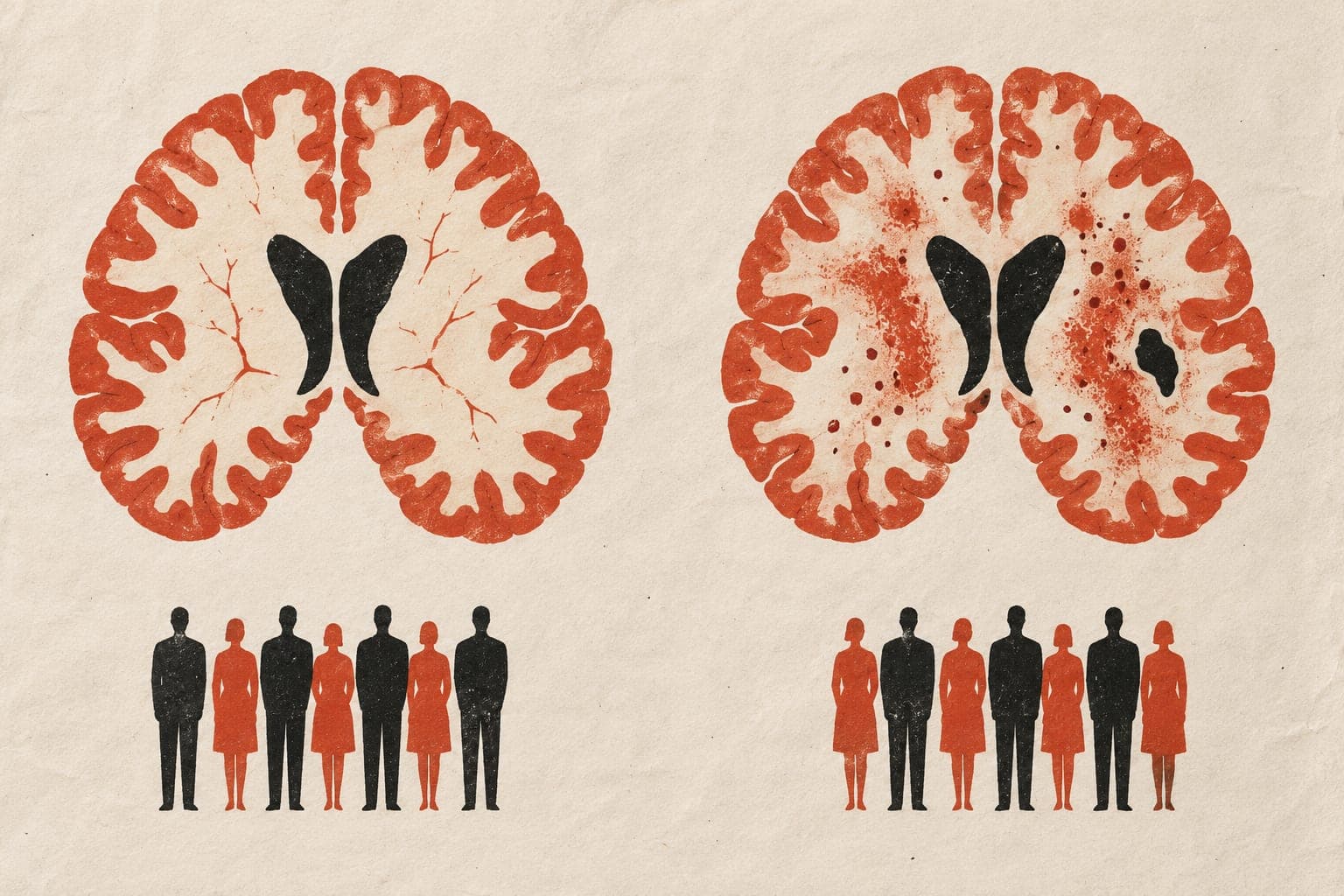
Blood protein linked to lower brain lesion volume
Higher blood levels of the protein cathepsin B were linked to lower lesion volume, with an association estimate of minus 0.09 in 5,260 people.
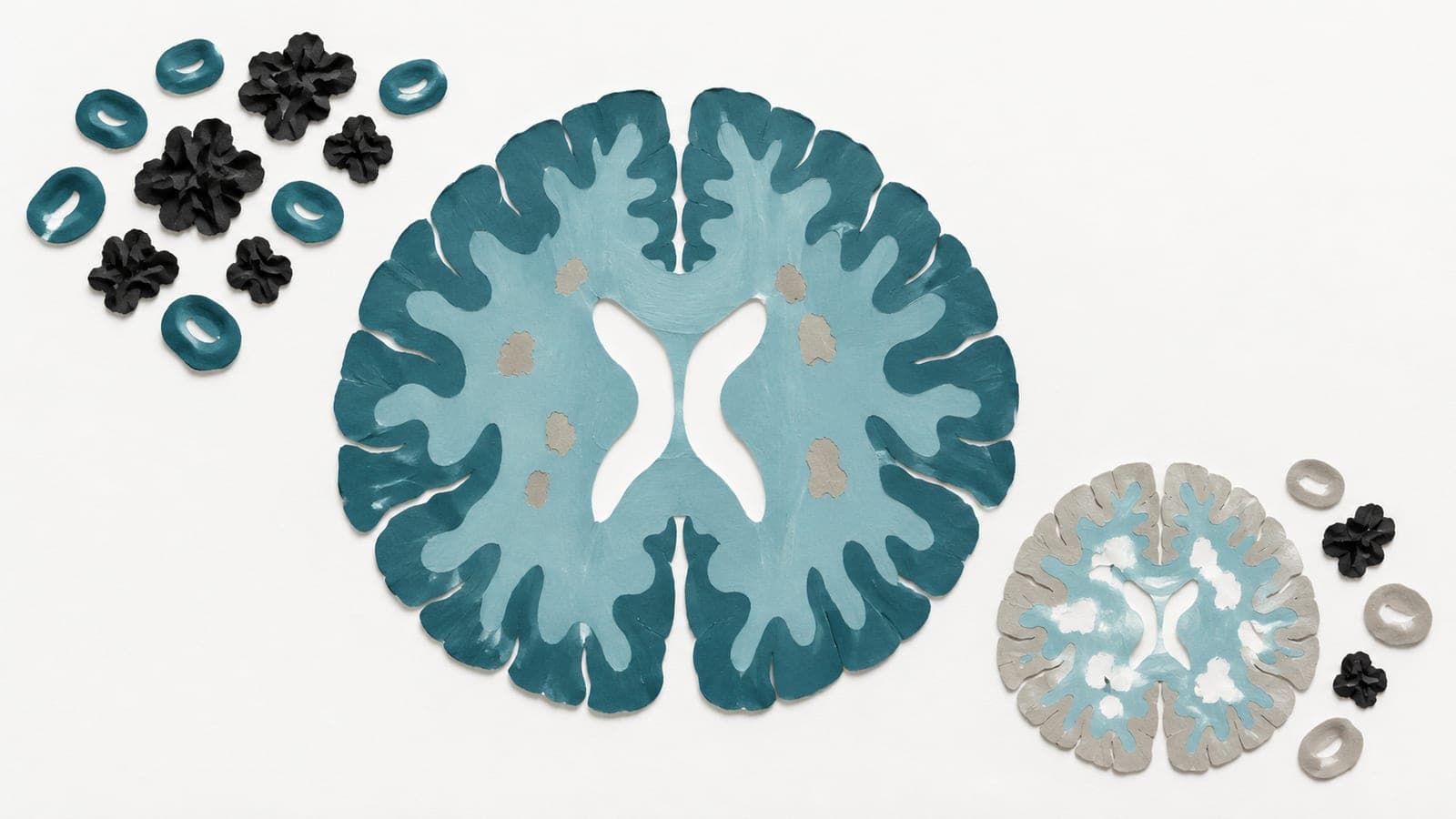
52,560 participants, genetic association study
Limit: The postmortem comparison supporting lesion-related cathepsin B changes involved only eight samples
An observational and genetic study examined 52,560 UK Biobank participants, with an average age of 56.8 years; 53.9% were female and 94.0% were White. Researchers screened 2,923 blood proteins and compared selected proteins with brain scan findings in a subset of participants.
Higher blood levels of cathepsin B, a protein, were associated with lower volumes of white matter hyperintensities, lesions visible on brain scans that mark disease in small blood vessels. Genetic analyses supported the same direction of association. Separate analyses linked higher measured and genetically predicted cathepsin B levels to better cognitive performance. Researchers also examined gene activity in eight brain white matter samples collected after death: four lesions and four controls. The gene for cathepsin B was less active within lesions.
Why it matters
White matter hyperintensities are a risk factor for stroke and dementia. The study nominates cathepsin B as a candidate treatment target for small blood vessel disease in the brain.
Caveats
These observational and genetic analyses do not establish that raising cathepsin B would reduce lesions or improve cognition. The main cohort was predominantly White, and the postmortem comparison involved only eight samples.