NAD⁺ signaling in Parkinson's disease: molecular mechanisms and therapeutic perspectives
Abstract
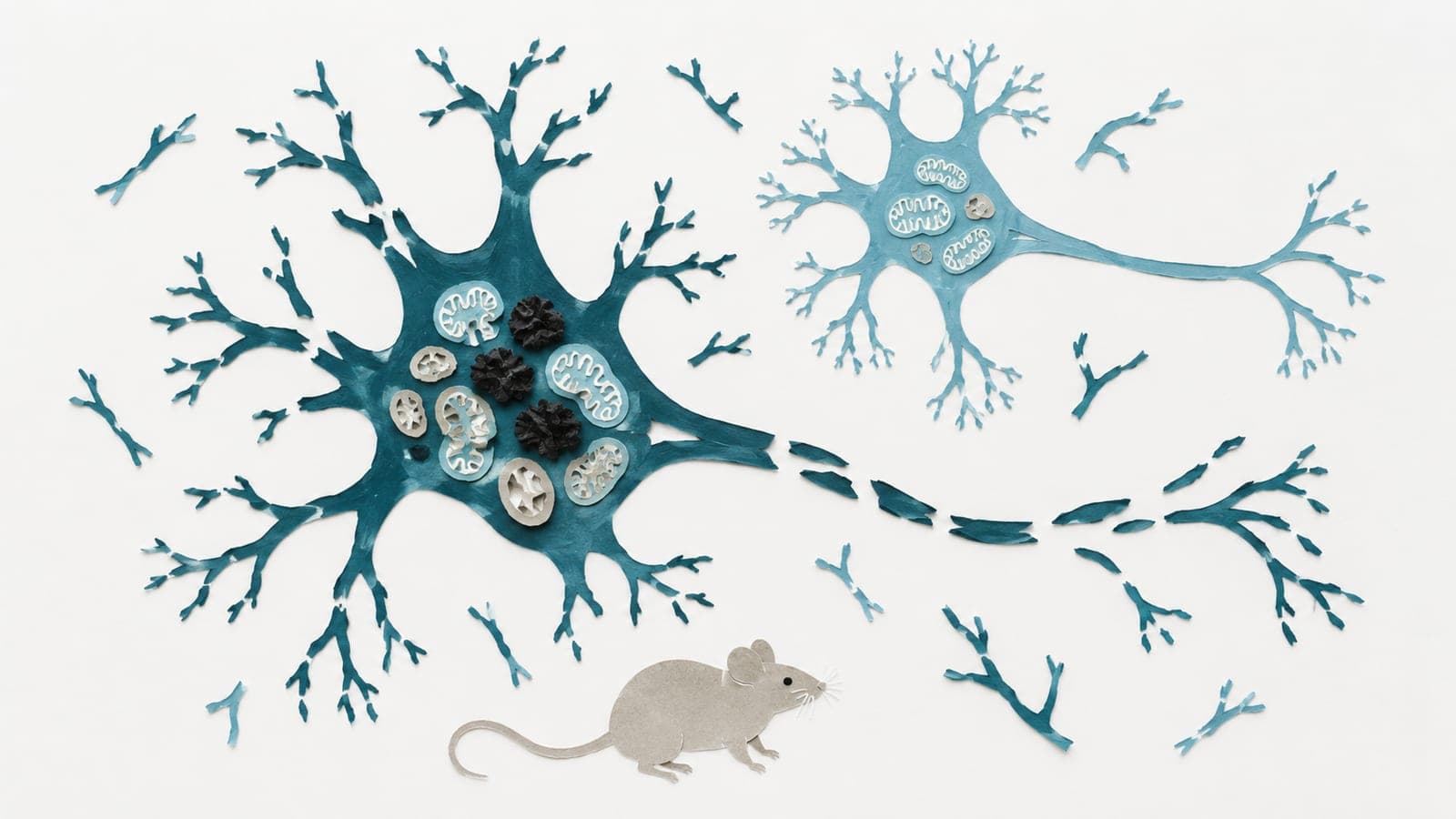
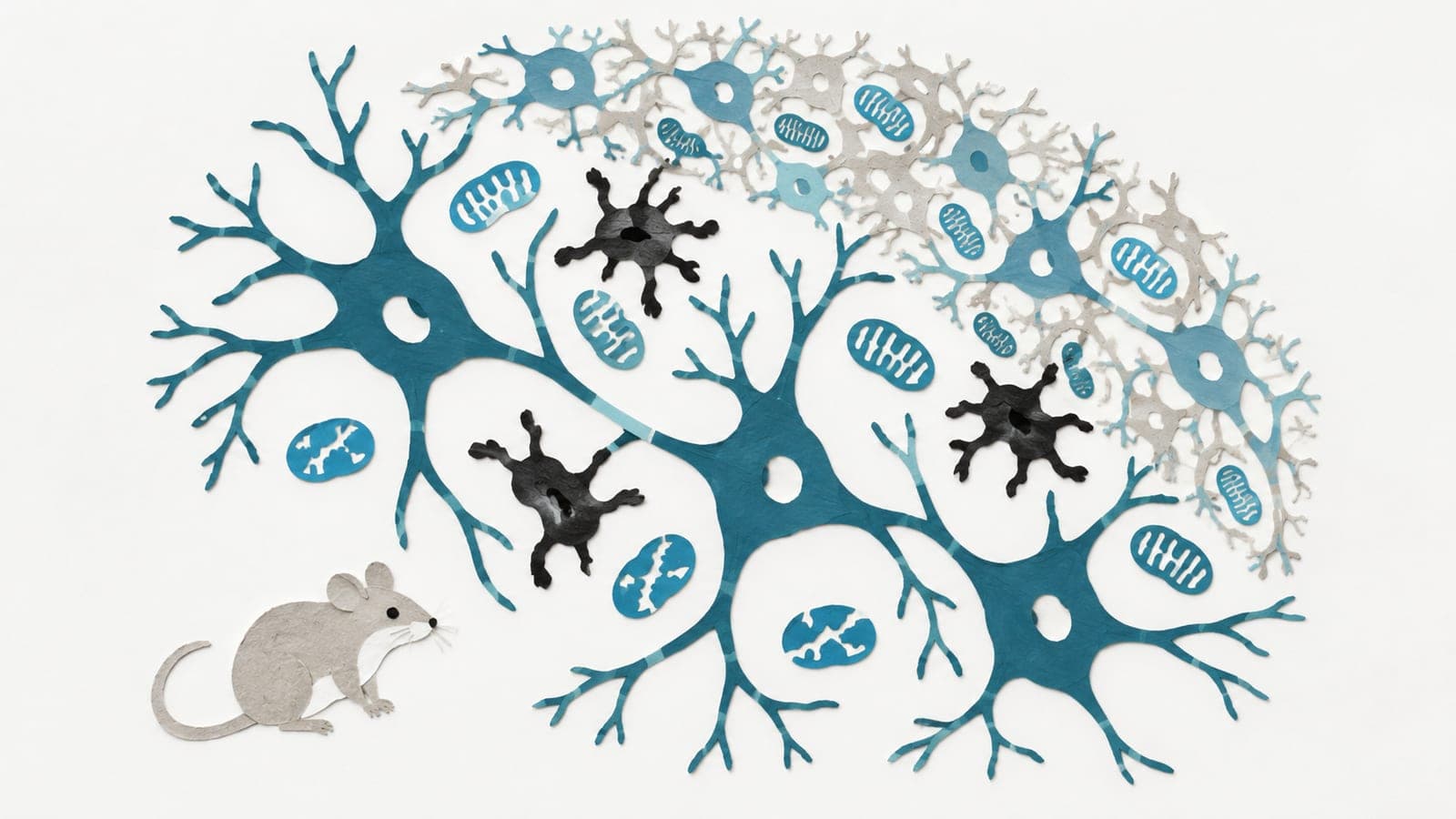
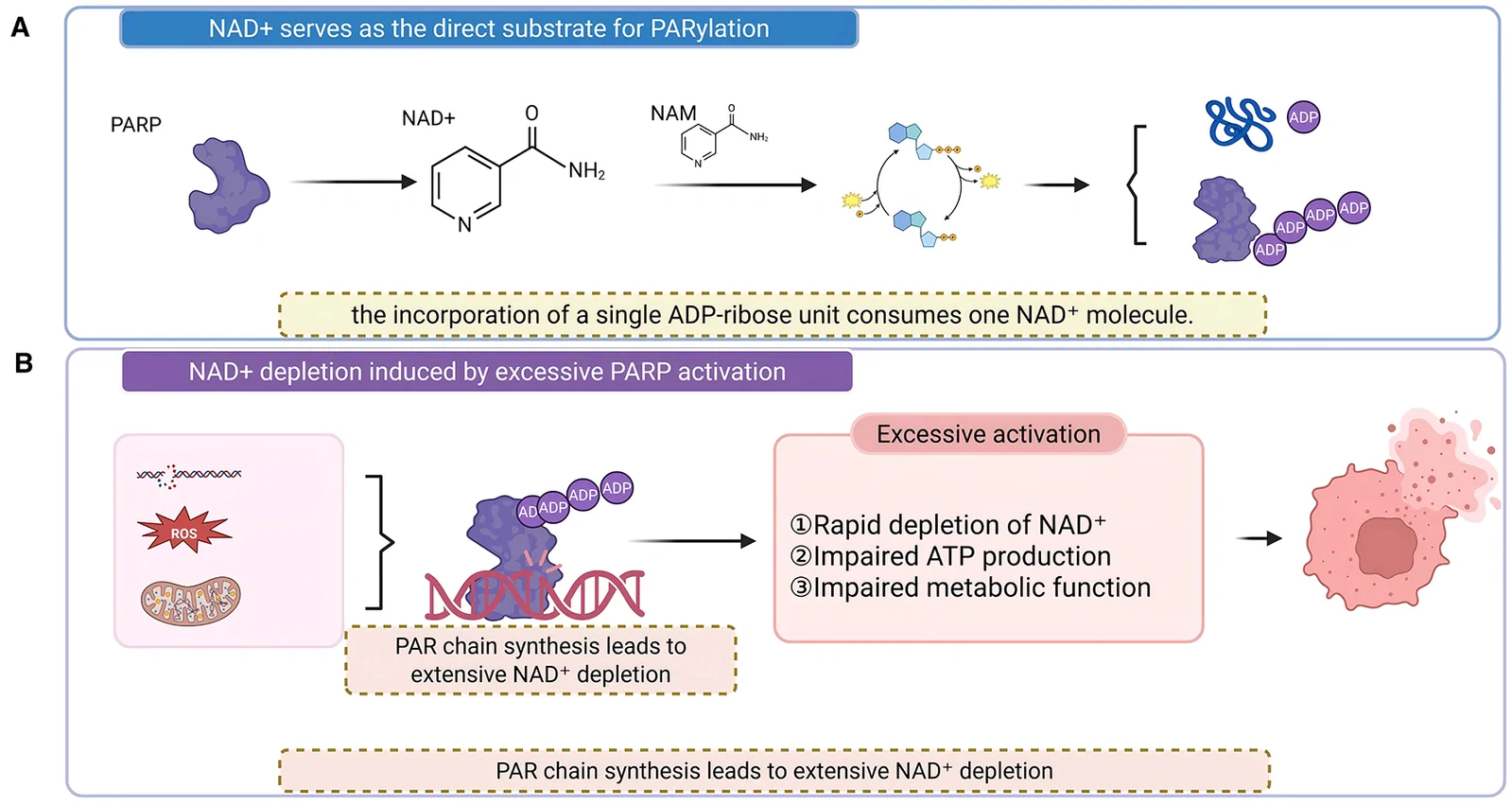
Parkinson's disease (PD) is the second most prevalent neurodegenerative disorder worldwide, characterized by the progressive loss of dopaminergic neurons in the substantia nigra, accumulation of α-synuclein (α-syn), mitochondrial dysfunction, and neuroinflammation. Nicotinamide adenine dinucleotide (NAD⁺), a crucial coenzyme involved in cellular energy metabolism, DNA repair, and epigenetic regulation, declines with aging and is markedly reduced in the brains of patients with PD. Emerging evidence suggests that supplementation with NAD⁺ precursors, including nicotinamide riboside (NR) and nicotinamide mononucleotide (NMN), exerts neuroprotective effects through multiple mechanisms, such as activation of the mitochondrial unfolded protein response (UPR∧mt), enhancement of autophagy, and suppression of excessive poly(ADP-ribose) polymerase 1 (PARP1) activation. This review summarizes the central role of NAD⁺ dysregulation in the pathogenesis of PD, with particular emphasis on the interplay between NAD⁺ depletion, mitochondrial quality control, proteostasis, and neuroinflammation. Furthermore, we discuss recent advances in NAD⁺-boosting strategies in PD models and clinical studies, highlighting their potential therapeutic implications for PD intervention.
- NAD+ precursor supplementation
- Nicotinamide mononucleotide
- Autophagy
- Inflammation
- NAD+
- Parkinson's disease
The paper
Tianbao Hospital; The Affiliated Hospital to Changchun University of Chinese Medicine
Frontiers in Neurology, 30 Sep 2026, Open access