Linked metabolic disruptions halt division in human cells
An engineered bacterial enzyme reversed the growth arrest by expanding a pool of molecules used to build cellular components in human connective-tissue cells grown in the lab.
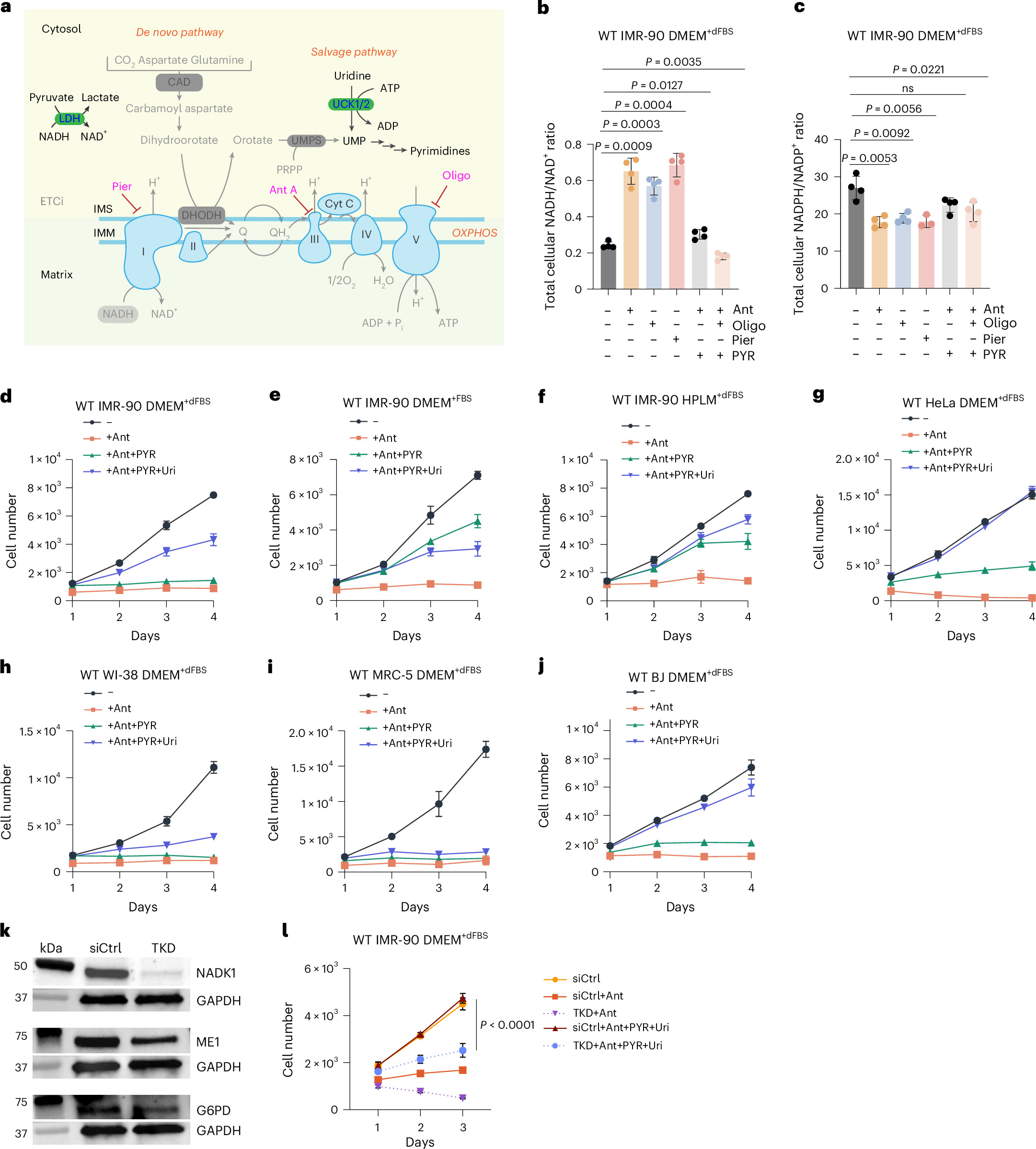
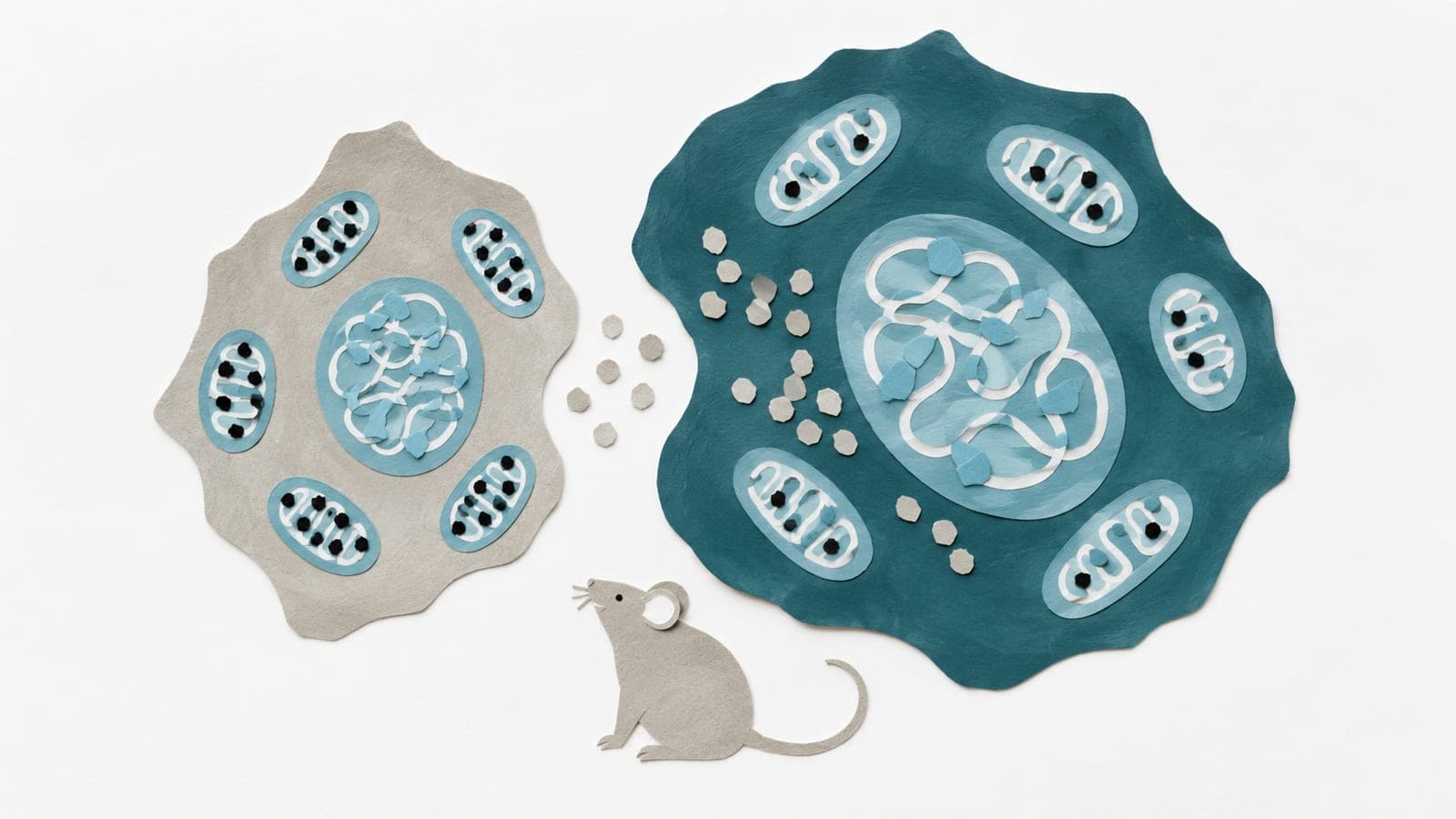
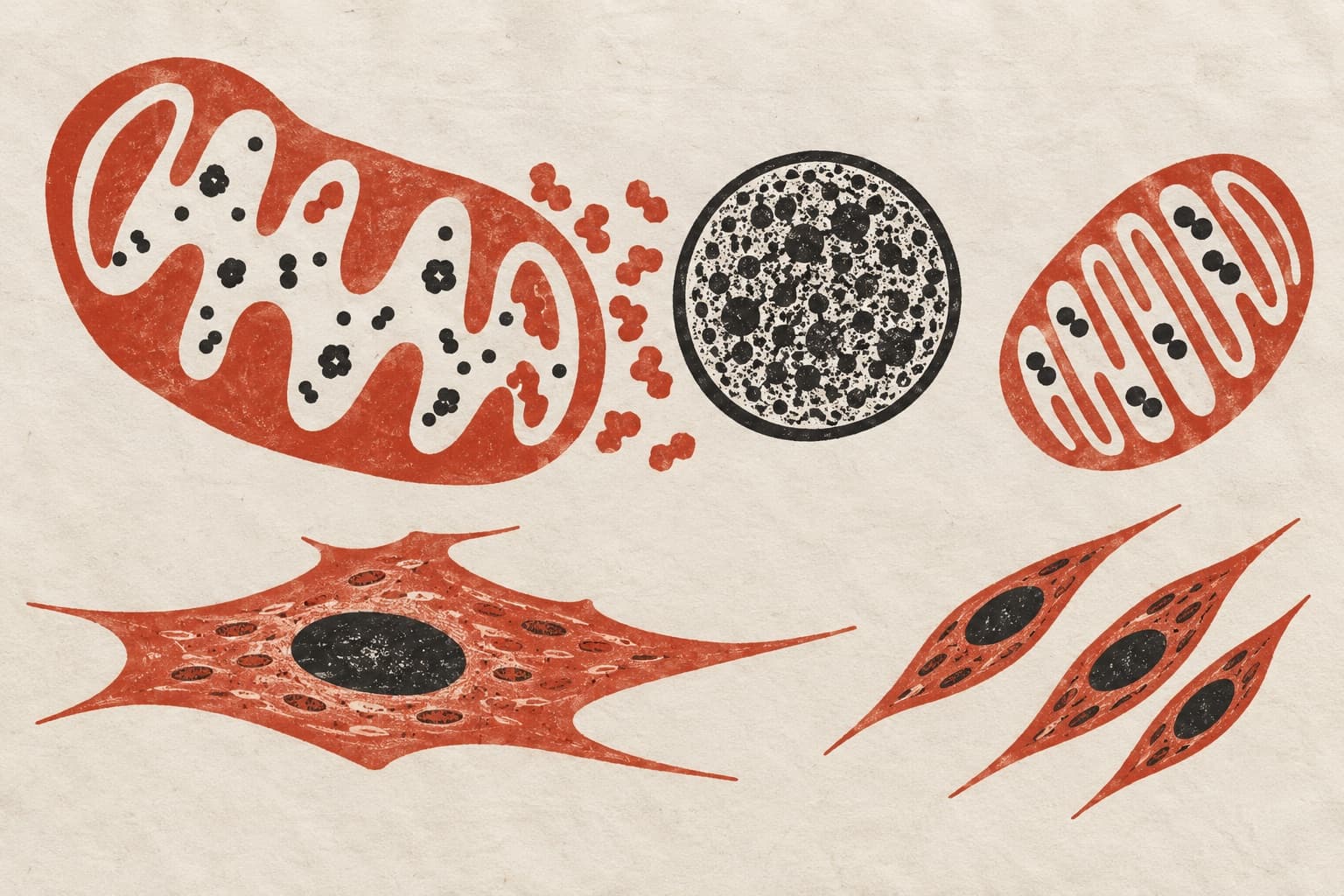
In experiments in primary human fibroblasts, connective-tissue cells grown in the lab, researchers inhibited the mitochondrial respiratory chain, part of the machinery that produces cellular energy. This upset the balance between two forms of a molecule involved in energy production and depleted a second molecule needed to build cellular components.
A bacterial enzyme reproduced these linked changes in cells with intact mitochondria. The cells stopped dividing and developed features of senescence, a state in which cells stop dividing. Correcting the first imbalance alone did not restore division while the second molecule remained depleted. The researchers then engineered another bacterial enzyme to expand the combined pool of the second molecule and its partner form. In fibroblasts, this restored two processes involved in making cellular building blocks and reversed both the halt in division and senescence features.
Why it matters
The tools offer a way to investigate how metabolic imbalances accompanying mitochondrial dysfunction may contribute to age-related decline.
Caveats
The division and senescence results came from cells grown in the lab; they do not establish benefits for people.