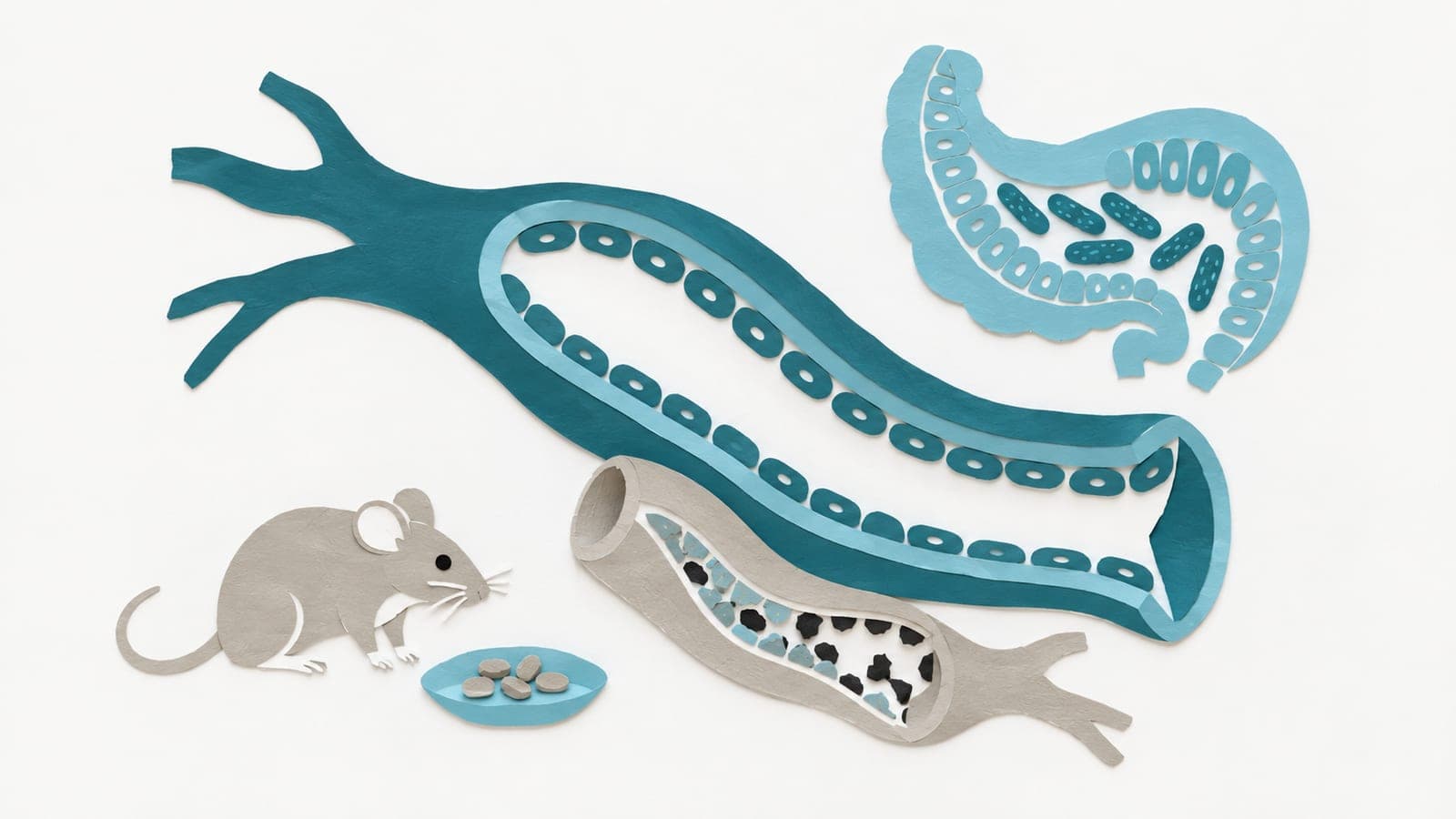
Gut microbe products helped metformin protect bone in mice
Experiments in mice with ovaries removed linked the drug’s bone benefits to short-chain fatty acids, small molecules made by gut bacteria.
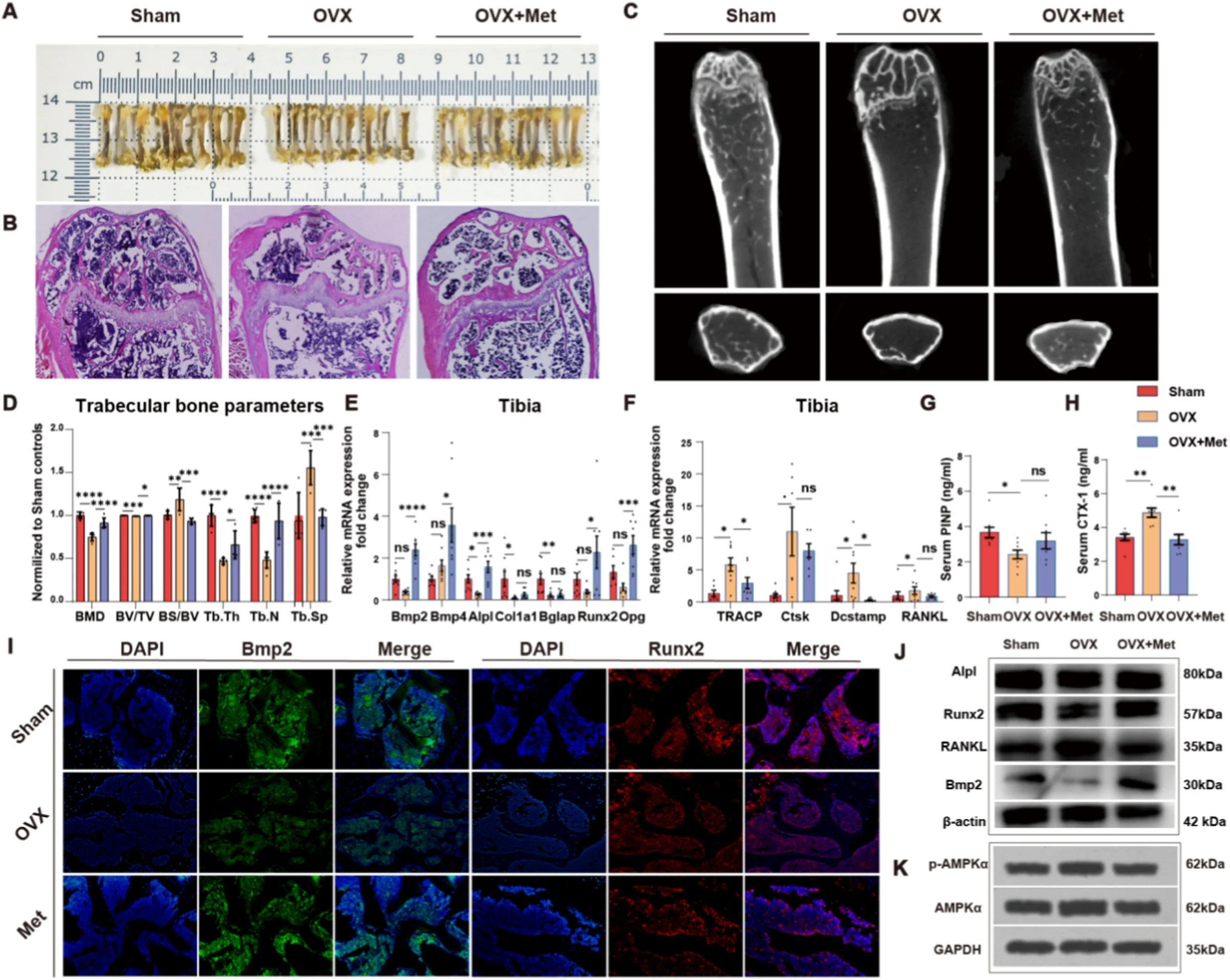
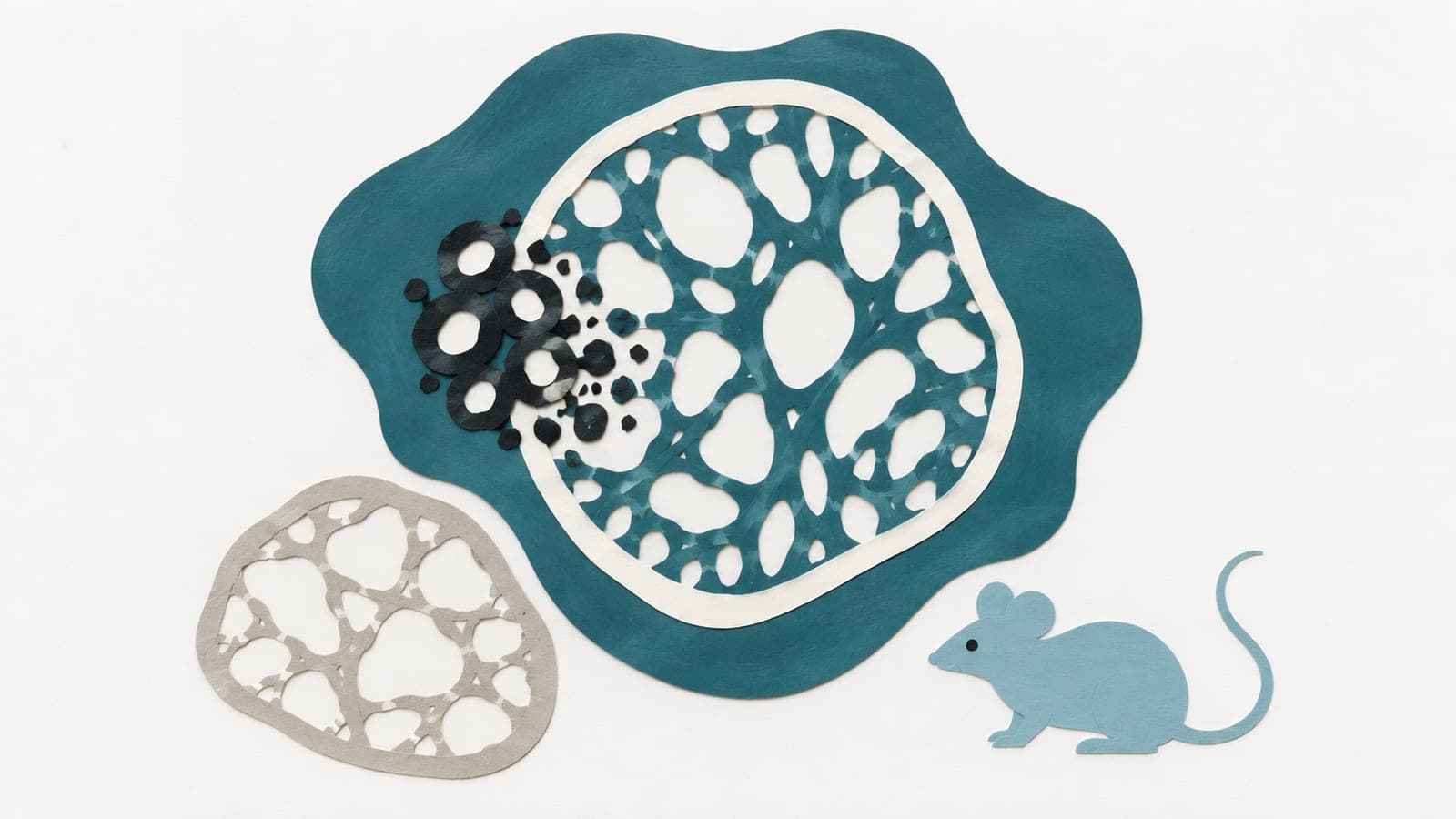
In experiments in mice whose ovaries had been removed, metformin improved the structure of spongy bone and reduced inflammation in blood and shin bones. The researchers used these mice to study postmenopausal osteoporosis, a condition involving weakened bones after menopause.
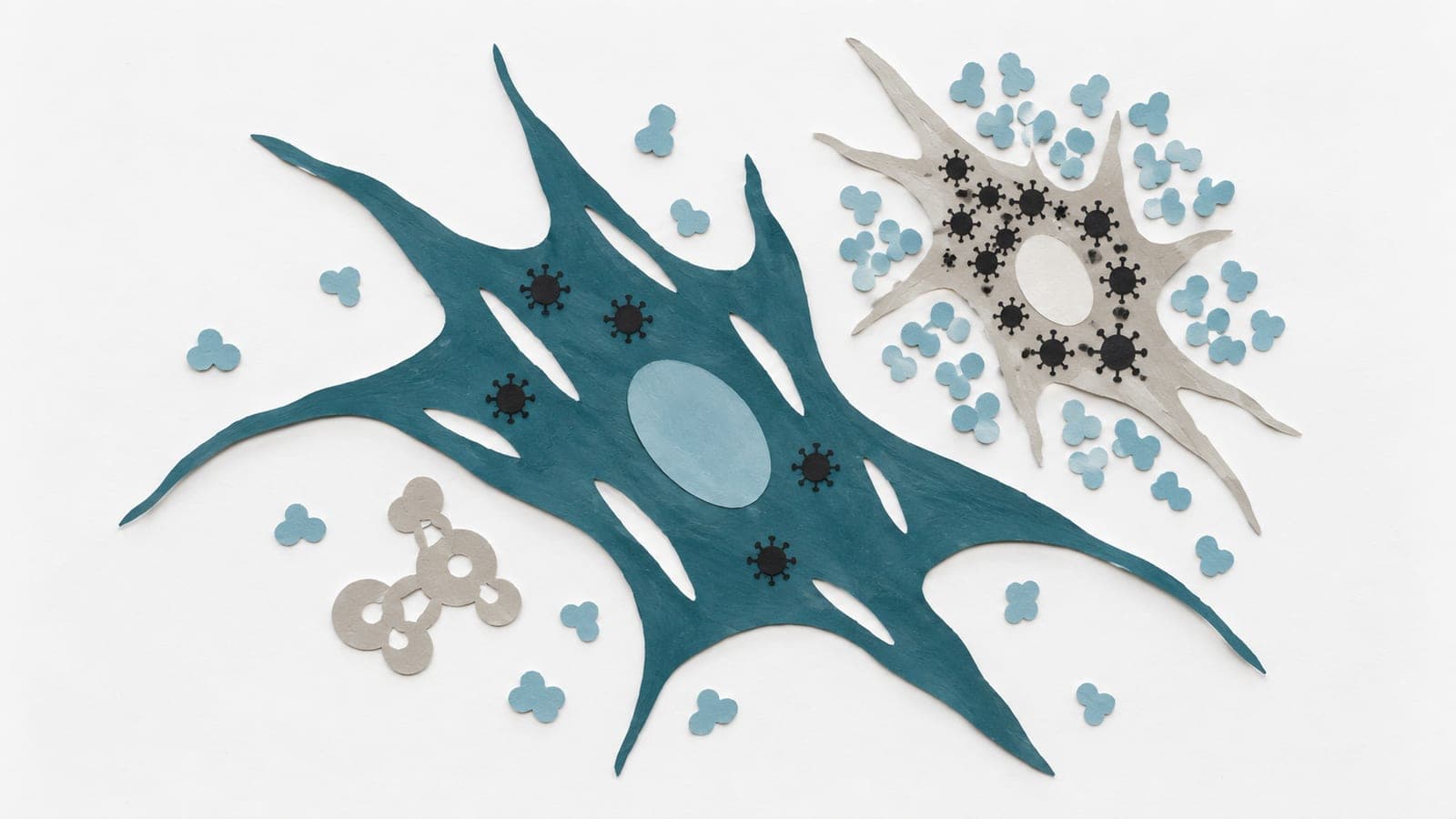
Metformin increased gut bacteria that produce short-chain fatty acids and raised levels of three of these acids in faeces. Transplanting gut microbes adapted to metformin reproduced the bone and inflammation benefits in mice. Lacking two receptors that detect these acids abolished the benefits of metformin and the acids propionate and butyrate. In isolated bone marrow cells grown in the lab under inflammatory conditions, propionate and butyrate promoted the development of bone-forming cells and inhibited the development of bone-breaking cells. A third acid, valerate, did not have these effects.
Why it matters
Inflammation linked to disrupted gut microbes has been implicated in postmenopausal osteoporosis. The work points to microbial fatty acids as possible targets for further research on this age-related bone disease.
Caveats
These experiments involved mice and isolated bone marrow cells, not women with postmenopausal osteoporosis. The abstract did not report animal numbers, metformin doses or treatment duration.
The paper
Peking University People's Hospital; The First Affiliated Hospital of Wenzhou Medical University
European Journal of Pharmacology, 14 Oct 2026