Acetate reduced flu virus multiplication in human lung cells
In human lung cells that had stopped dividing, laboratory experiments found that acetate also reduced inflammatory responses.
Aging Cell
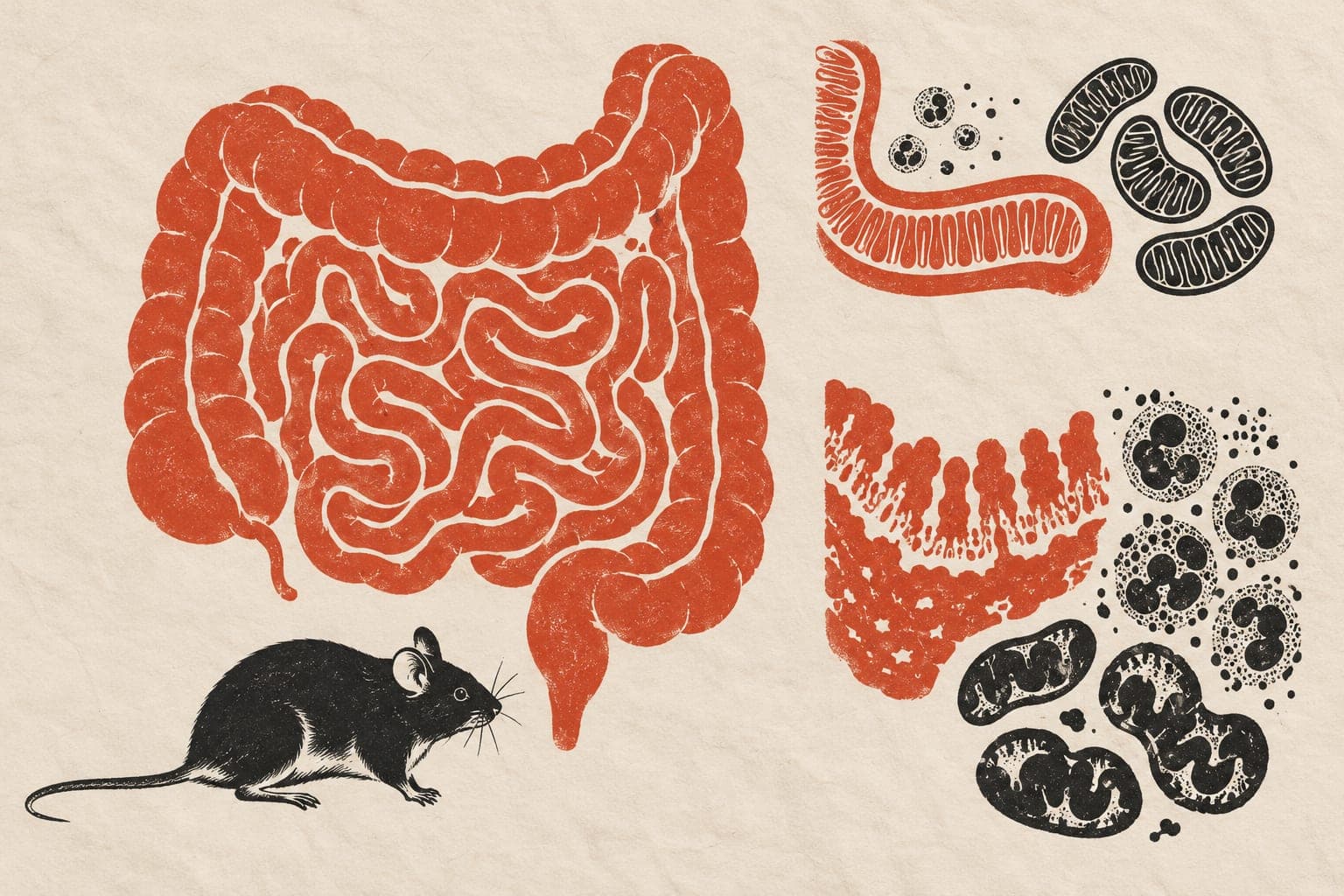
Researchers used human lung fibroblasts, cells that make connective tissue, and mice in laboratory experiments on influenza A virus. The human cells were senescent, meaning they had stopped dividing. Adding acetate, a small molecule produced by gut microbes, reduced virus multiplication and inflammatory responses in those cells.
In old mice, influenza infection was associated with disrupted gut microbe communities. Microbes that produce short-chain fatty acids—a group of small molecules that includes acetate—were less abundant. The researchers suggested that these changes might weaken support from microbial products for antiviral defences during aging.
Why it matters
Age-related changes in gut microbes raise questions about how their products might support resistance to influenza. The work supports investigating approaches that target these microbes in older people.
Caveats
The mouse findings did not establish that microbial changes caused weaker antiviral defences. The acetate experiments used human cells grown in the lab, not people.
The paper
Jena University Hospital
Aging Cell · 1 Oct 2026