Relations between fibroblast growth factor 19, skeletal muscle parameters and exercise-induced muscle outcomes in older adults with sarcopenia and physical frailty phenotypes
3 months
Abstract
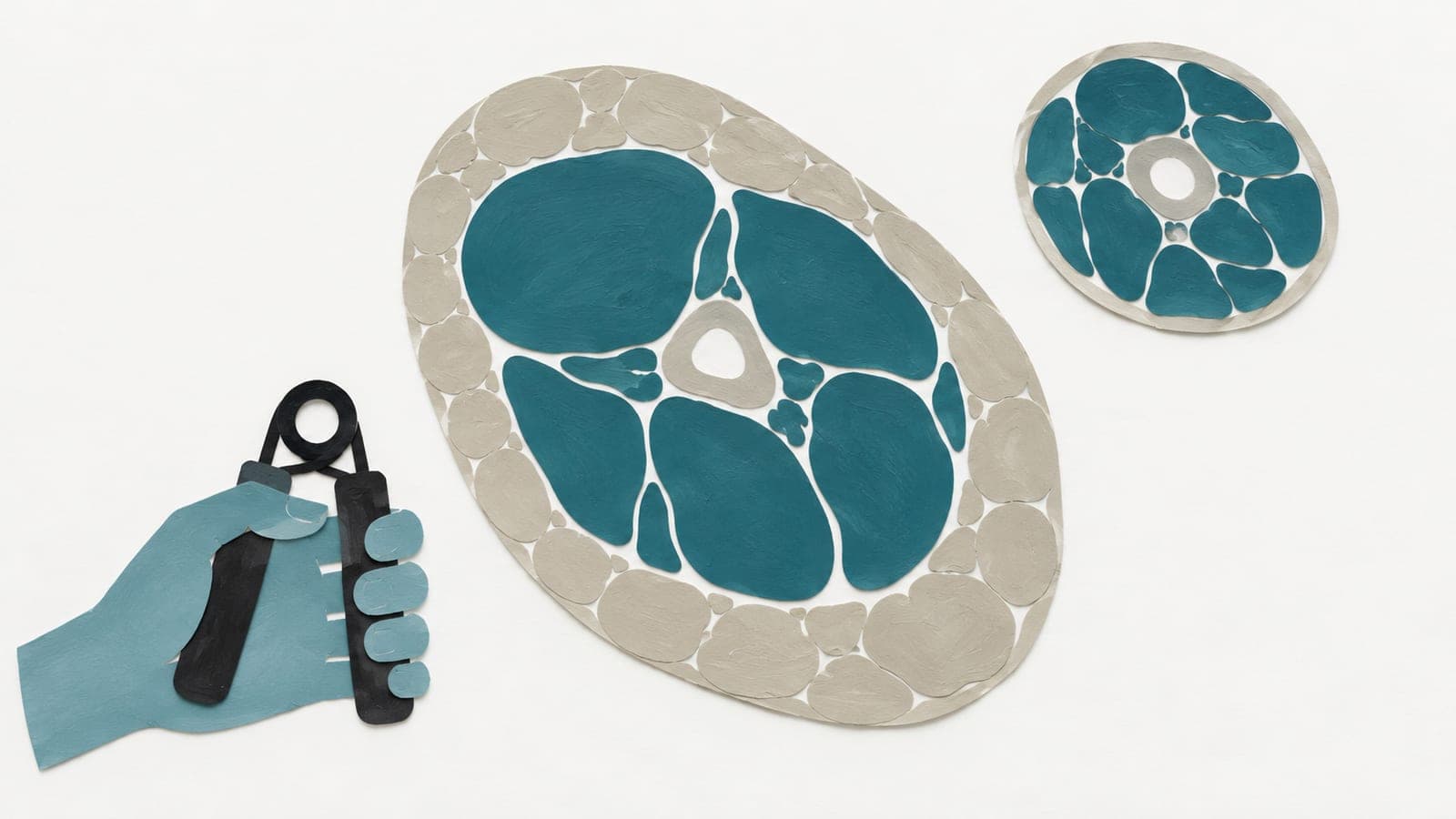
INTRODUCTION: Evidence showed that intestinal hormone Fibroblast Growth Factor 19 (FGF-19) alleviated muscle wasting in aged sarcopenic mice. This study investigated associations between FGF-19, muscle parameters and exercise-induced muscle outcomes in older adults with different sarcopenia and physical frailty status. METHOD: We conducted an exploratory study and secondary analysis of the open-labelled cohort "well on my legs". Participants were enrolled in a 3-months multicomponent exercise intervention involving multidimensional assessments at pre (T0) and post (T1) intervention. Plasmatic FGF-19 circulating level was collected at T0 (pg/L). Principal Component Analysis (PCA) followed by Hierarchical Clustering on Principal Components (HCPC) were performed to determine discriminant variables explaining the most variance among the dataset. Mixed models evaluated log2-transformed FGF-19 main and time x interaction effects on discriminant variables, adjusted by confounding covariables. RESULTS: 255 older adults were studied (80.6 ± 5.8 years, 76% of women). Median FGF-19 concentration was 130.2 pg/L (IQR: 136.7 pg/L). PCA/HCPC highlighted Short Physical Performance Battery (SPPB) score and Timed-up-and-Go (TUG) performance at T0 as discriminant variables. Each doubling of FGF-19 concentration was associated with 40% lower odds of being in a higher SPPB category (OR = 0.6 [0.43;0.83] 95% CI, p = 0.002) and tended to be associated with longer TUG performance (ß = 0.03 [-0.01;0.05] 95% CI, p = 0.054), corresponding to an approximately 3% increase. No significant FGF-19 interactions with time were found. CONCLUSION: FGF-19 concentration showed exploratory negative associations with functional capacity. FGF-19 was not associated with the change in functional capacity following the exercise intervention.
The paper
Université Lyon 1
Experimental Gerontology, 14 Oct 2026