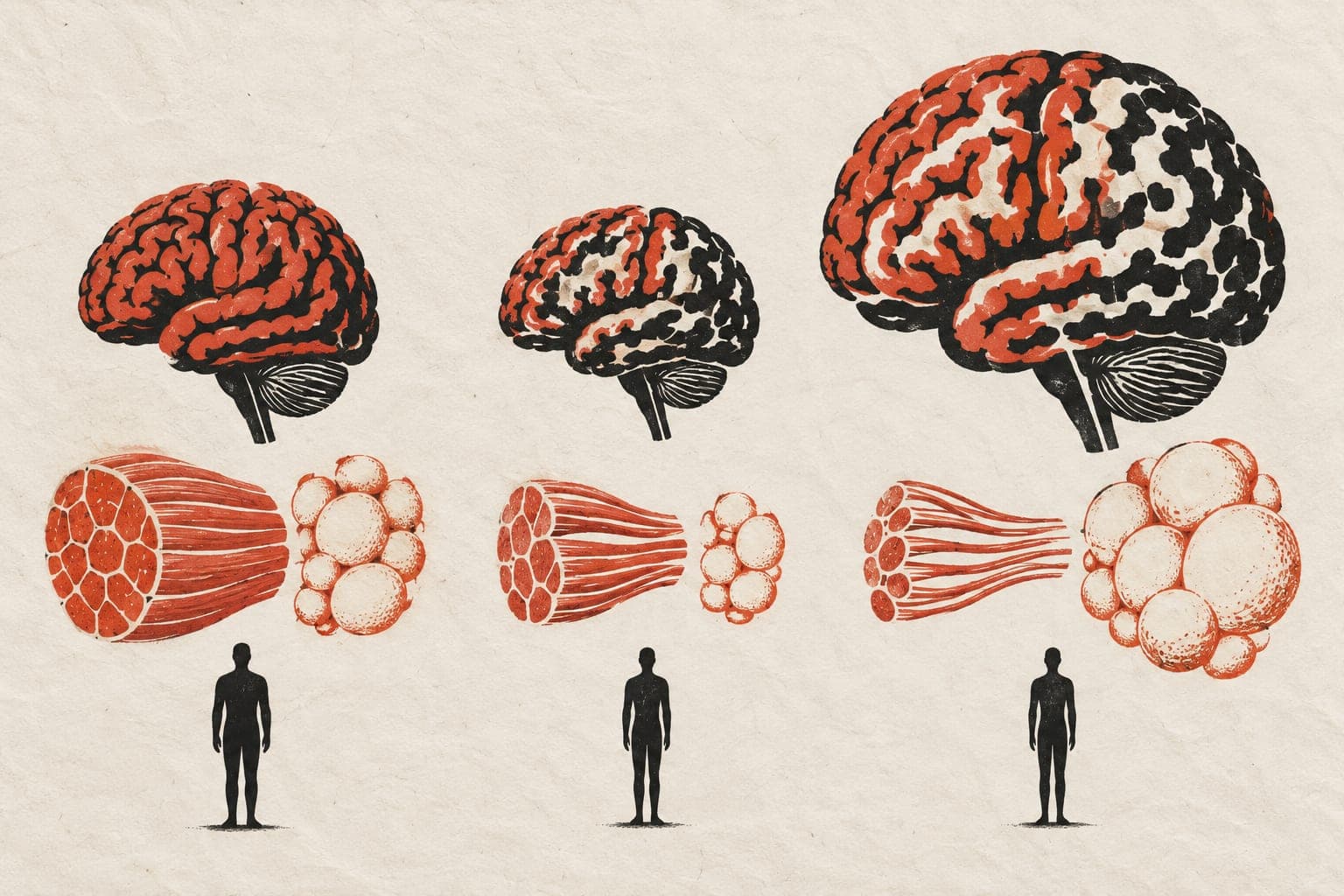
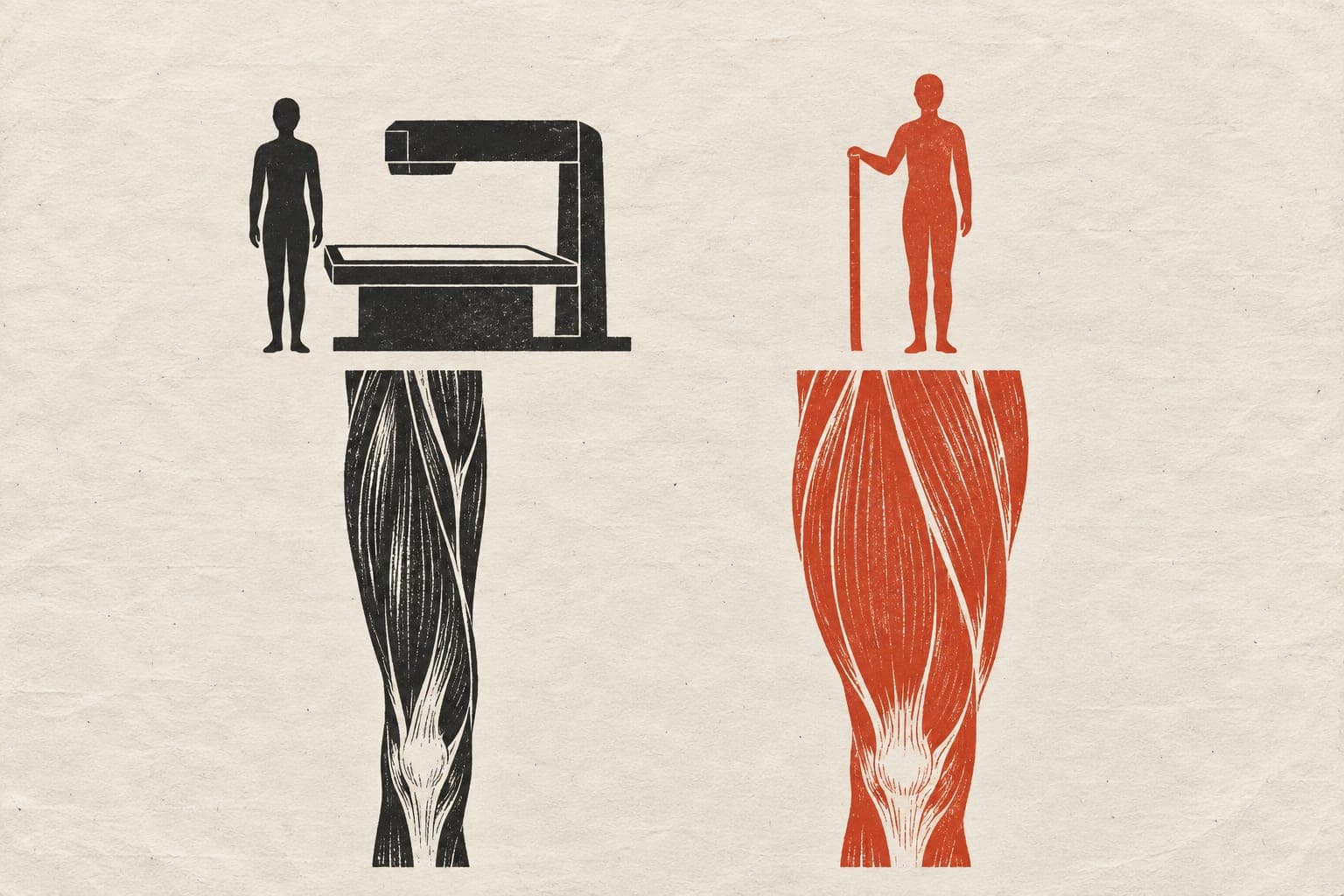
Low muscle strength is linked to faster physical decline
In 2,657 adults aged 50 and older, low muscle strength was linked to 2.40 times higher odds of rapid functional decline over four years.
BMC Public Health
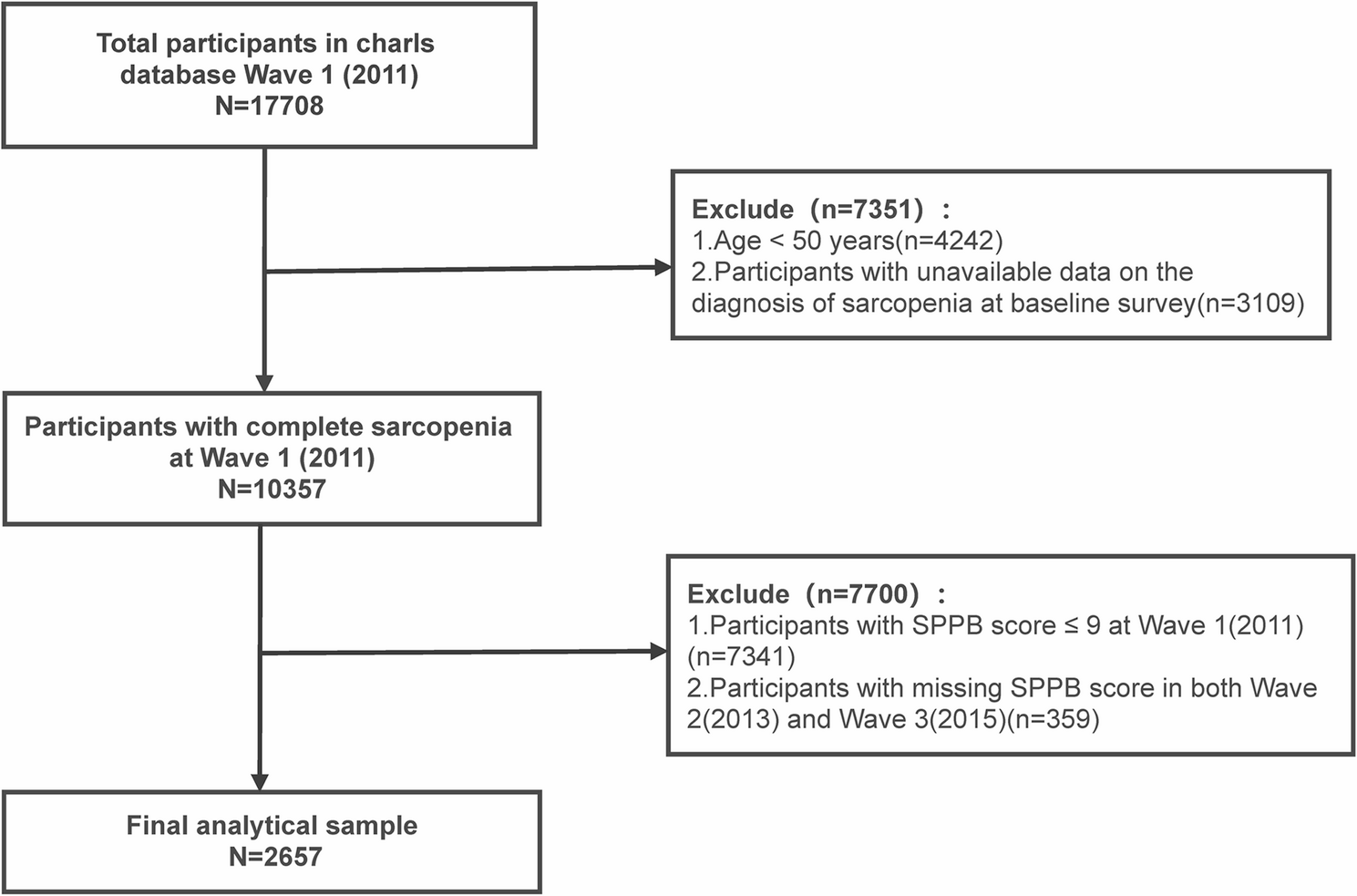
Researchers followed 2,657 community-dwelling adults aged 50 years and older with preserved physical function from the China Health and Retirement Longitudinal Study. In this prospective cohort study, participants were tracked over four years and categorised as having normal muscle, low muscle mass alone, dynapenia (low muscle strength), or sarcopenia, defined as low muscle strength combined with low muscle mass. Physical performance followed three trajectories: high and stable (86.4% of participants), moderate and stable (10.4%), or rapidly declining (3.2%). After adjusting for age, sex, waist circumference, smoking status, and high blood pressure, dynapenia was associated with higher odds of moderate-stable performance (an odds ratio of 1.76) and rapid decline (an odds ratio of 2.40) relative to normal muscle. Low muscle mass alone and sarcopenia were also linked to moderate-stable performance, whilst their links to rapid decline were inconclusive.
Why it matters
Preserving mobility and physical function is central to healthy aging. The findings support an association between low muscle strength and future functional decline, providing insight into how distinct muscle changes relate to the loss of physical capacity in older age.
Caveats
Because this was an observational study, it cannot determine whether low muscle strength causes functional decline. The findings also do not establish that dynapenia has greater predictive value than sarcopenia.
The paper
Chengdu Medical College · First Affiliated Hospital of Chengdu Medical College
BMC Public Health · 7 Oct 2026 · CC BY-NC-ND