Brain agingHumans

Delirium after traumatic brain injury links to dementia risk

In matched patients, post-injury delirium was tied to a higher two-year composite risk of dementia, vascular dementia, and Alzheimer's disease (hazard ratio 2.47).

European Journal of Clinical Investigation

In a retrospective study of human patients with traumatic brain injury (TBI), individuals who developed delirium within 14 days faced an elevated risk of subsequent neurodegenerative disease. Researchers analyzed records from the TriNetX global federated research network, comparing 2,564 TBI patients with delirium to 667,950 TBI patients without delirium. Patients with delirium were older on average and had more baseline psychiatric, cerebrovascular, and ischemic heart conditions. After propensity score matching, patients who developed delirium had a higher two-year risk of the primary composite outcome of dementia, vascular dementia, and Alzheimer's disease (hazard ratio 2.47). Secondary analyses showed increased risks for dementia (hazard ratio 2.63), vascular dementia (hazard ratio 2.76), and Alzheimer's disease (hazard ratio 2.23).

Why it matters

Traumatic brain injury accelerates cognitive decline, and acute post-injury delirium may signal or contribute to the biological processes driving long-term neurodegeneration.

Caveats

The findings rely on a retrospective observational analysis of health records, which prevents drawing causal conclusions and may leave residual confounding unaddressed.

The paper

Delirium in Patients With Traumatic Brain Injury and Long-Term Cognitive Decline: A Global Federated Real World Data Analysis

Sabahizadeh A, Askarinejad A, Ahmadzadeh K et al.

European Journal of Clinical Investigation · 1 Oct 2026
See all
bioRxivHumansPreprint

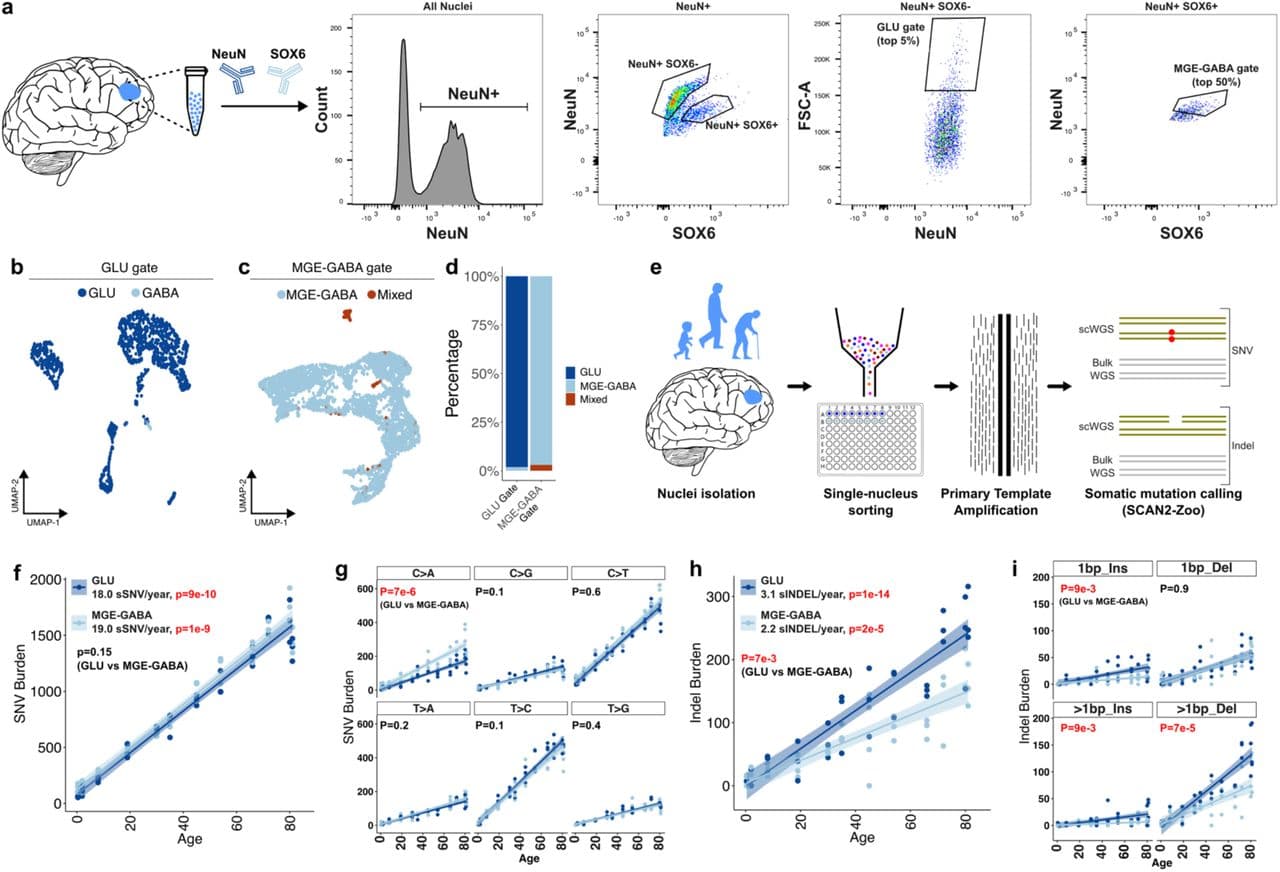
Human neurons accumulate far more mutations over lifespan than shorter-lived mammals

Cortical neurons gain mutations at similar yearly rates across six species, leaving aged humans with uniquely high mutational burdens and…Cortical neurons gain mutations at similar yearly rates across six species, leaving aged humans with uniquely high mutational burdens and transcriptomic dysregulation. In a preprint analyzing humans, chimpanzees, rhesus macaques, marmosets, ferrets, and mice, researchers evaluated genomic…

Distinct cerebral cortical neuronal subtypes display subtle yet specific differences in their mutational landscape.
bioRxivAnimalsPreprint

CAR T cells targeting inflammatory bone marrow progenitors restore cognition in aged mice

Clearing these peripheral myeloid cells remodeled brain macrophages and improved cognitive performance without requiring the engineered immune cells…Clearing these peripheral myeloid cells remodeled brain macrophages and improved cognitive performance without requiring the engineered immune cells to enter the brain. In aged mice and mouse models of Alzheimer's disease, researchers tested CAR T cell therapies targeting inflammatory…

Nature NeuroscienceHumans

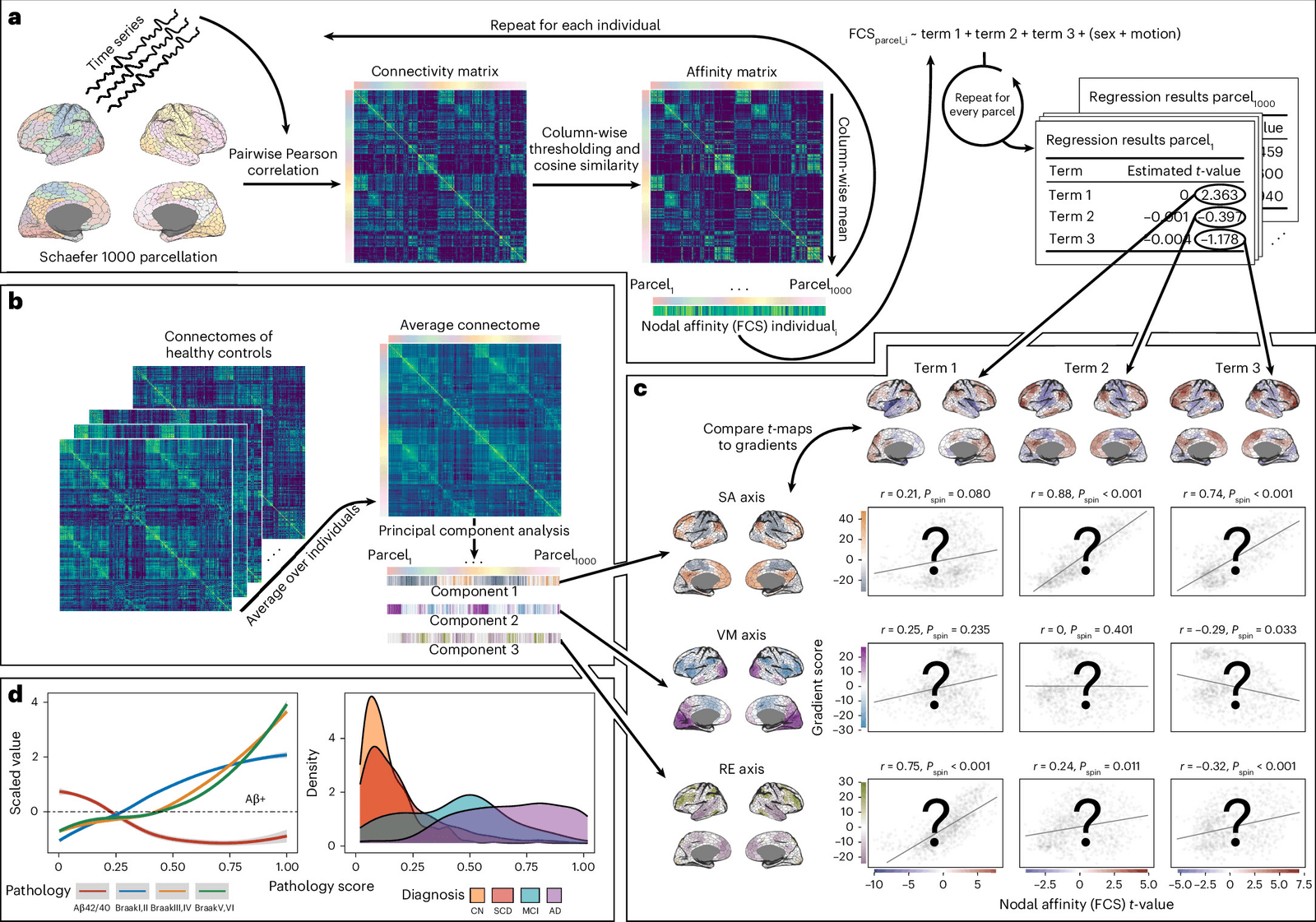
Aging and Alzheimer's alter separate functional brain pathways

Two human cohorts of 973 and 129 individuals revealed that aging and Alzheimer's disease disrupt separate, orthogonal functional communication axes…Two human cohorts of 973 and 129 individuals revealed that aging and Alzheimer's disease disrupt separate, orthogonal functional communication axes across the brain. In two independent human cohorts (BioFINDER-2, N = 973; Alzheimer's Disease Neuroimaging Initiative, N = 129), researchers…

Figure 1
bioRxivAnimalsPreprint

Extracellular cGAMP drives neuroinflammation and premature aging phenotypes in mice

Loss of the cGAMP-degrading enzyme ENPP1 allows microglia-derived signaling molecules to trigger STING-dependent inflammation across multiple brain…Loss of the cGAMP-degrading enzyme ENPP1 allows microglia-derived signaling molecules to trigger STING-dependent inflammation across multiple brain cell types. In a mouse study, researchers found that advanced age and experimental autoimmune encephalomyelitis cause microglia to accumulate…

medRxivHumansPreprint

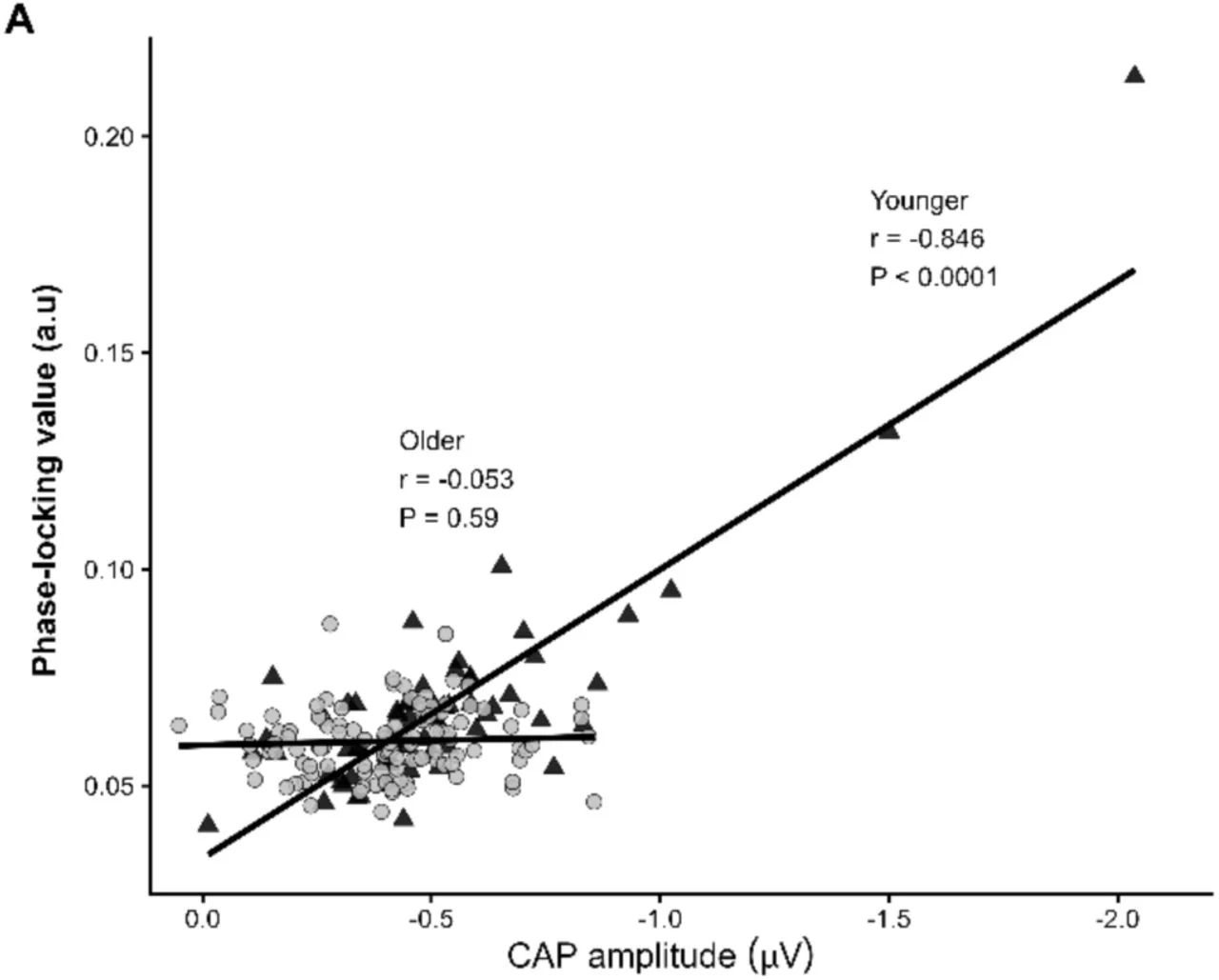
Auditory nerve myelin degeneration defines a subtype of age-related hearing loss

Researchers linked poor auditory nerve synchrony and myelin degradation to amplified communication difficulties in older humans, beyond standard…Researchers linked poor auditory nerve synchrony and myelin degradation to amplified communication difficulties in older humans, beyond standard hearing thresholds. In a human study detailed in a preprint, researchers investigated how auditory nerve changes affect hearing in older adults.

Aging modifies the association between auditory nerve response amplitude and neural synchrony.