Circulating alpha-synuclein promotes atherosclerosis by impairing macrophage autophagy
Targeting FLOT1 or downstream PI3K-mTOR signaling counteracted the vascular lipid accumulation driven by extracellular alpha-synuclein in mouse models.
Aging Cell
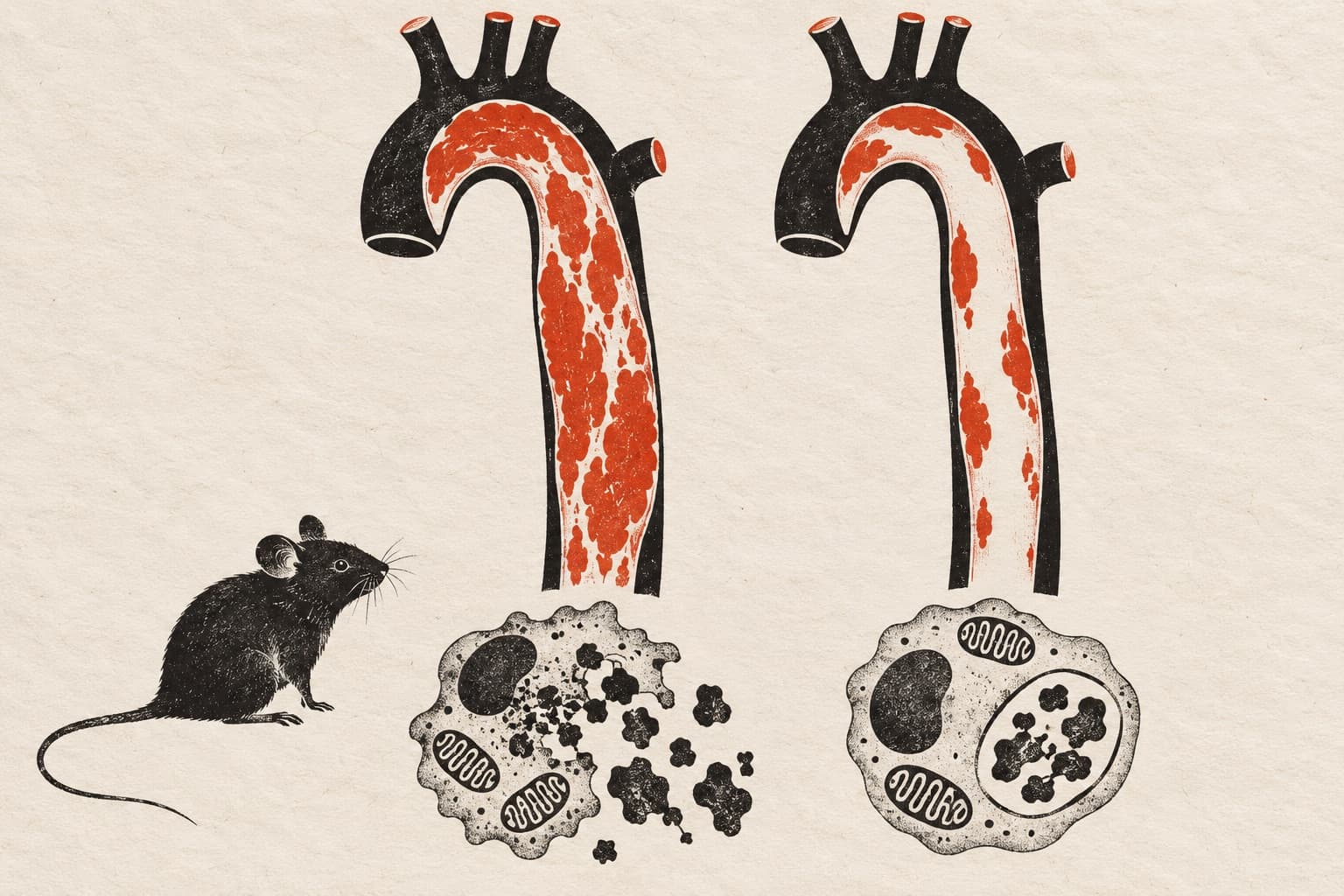
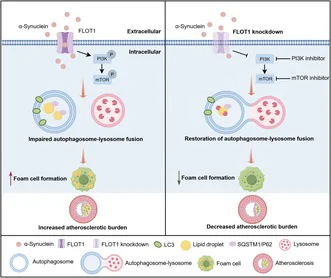
In mouse models and human atherosclerotic plaque tissue, researchers investigated how the neurodegenerative protein alpha-synuclein influences vascular pathology. The team detected alpha-synuclein in human plaques and evaluated its activity in vivo using mice. In a mouse model of atherosclerosis driven by PCSK9 overexpression, genetic deletion of alpha-synuclein decreased lesion size and reduced macrophage lipid accumulation. Conversely, administering exogenous alpha-synuclein accelerated atherosclerotic progression in Apolipoprotein E-deficient mice. Mechanistic experiments showed that alpha-synuclein impaired autophagic flux to stimulate macrophage foam cell formation, accompanied by activation of the PI3K-mTOR pathway. Proteomics identified the membrane raft protein FLOT1 as an upstream mediator. Knocking down Flot1 lowered alpha-synuclein internalization and lipid accumulation, while pharmacological inhibition of PI3K or mTOR also suppressed these effects.
Why it matters
Atherosclerosis is a hallmark age-associated vascular disease, and these findings uncover a direct mechanistic link between circulating alpha-synuclein and arterial lipid buildup. Understanding how neurodegenerative proteins affect vascular autophagy may clarify why individuals with Parkinson's disease face increased stroke risk.
Caveats
The functional and mechanistic experiments were conducted in mouse models and cultured cells, meaning the therapeutic implications remain unverified in human patients.
The paper
α-Synuclein Promotes Atherosclerosis by Impairing Macrophage Autophagic Flux
Wuhan Union Hospital
Aging Cell · 29 Sep 2026 · CC BY