Statins cut Alzheimer's risk but raise other dementia risks
A Mendelian randomization analysis found total cholesterol mediated 93.91% of statins' effect on overall dementia and 84.37% on dementia in Alzheimer's disease.
Journal of Alzheimer's Disease Reports
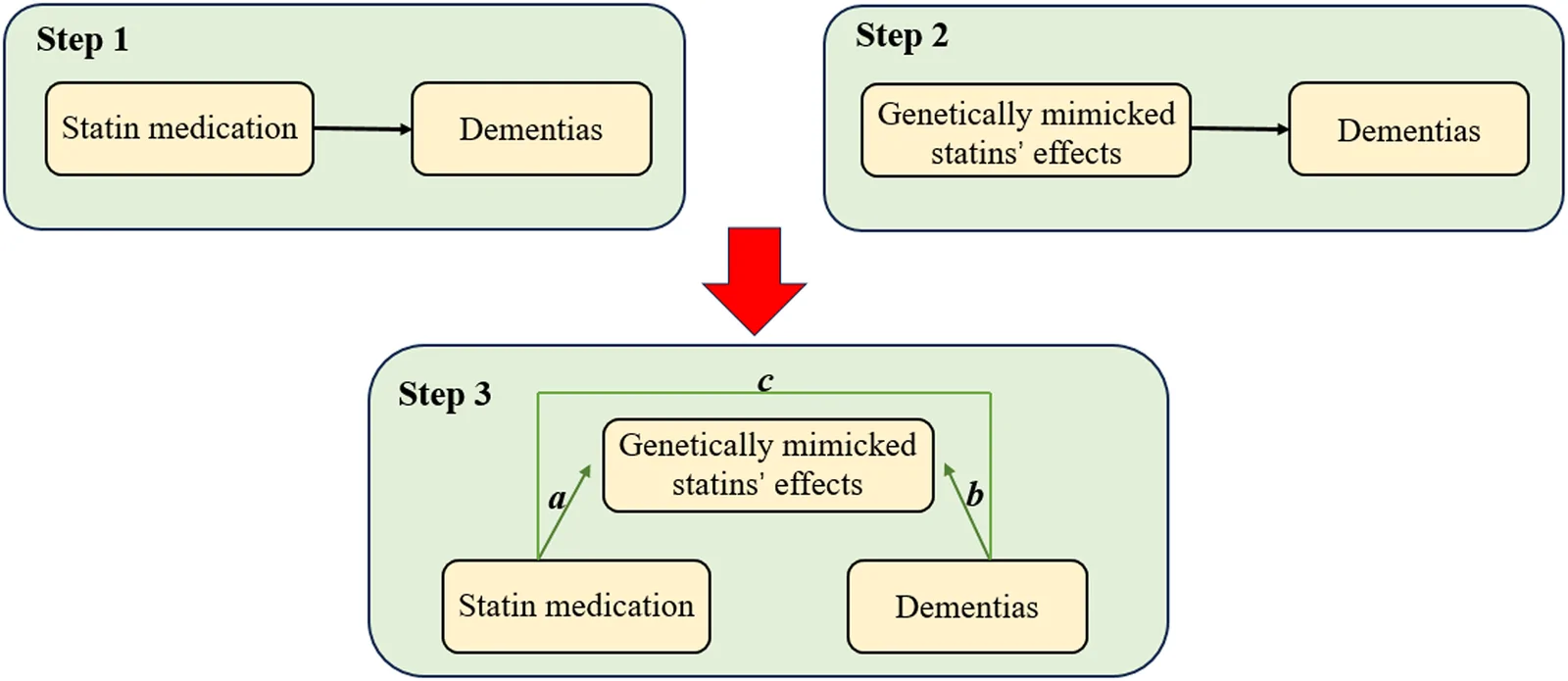
In humans, researchers analyzed genome-wide association study summary data using Mendelian randomization to evaluate causal links between statins, plasma lipids, and various dementia subtypes. Inverse variance-weighted analyses indicated that statin medication significantly reduced the risk of Alzheimer's disease. In contrast, statin use was associated with an increased risk of dementia in Alzheimer's disease and dementia with Lewy body. Elevated total cholesterol increased the risks of dementia, dementia in Alzheimer's disease, and dementia with Lewy body, whereas higher low-density lipoprotein cholesterol decreased Alzheimer's risk. Total cholesterol mediated 93.91% of the effect of statins on dementia, 84.37% on dementia in Alzheimer's disease, and 61.94% on dementia with Lewy body. Genetically mimicked statin effects did not display a mediating role.
Why it matters
Statins are widely prescribed to older populations, yet their impact on brain aging remains contentious. Demonstrating that statins and cholesterol pathways exert divergent, subtype-specific effects could help clarify how lipid metabolism influences neurodegenerative disease in late life.
Caveats
The study relies on summary-level observational genetic data rather than randomized clinical trials. Furthermore, genetically mimicked statin effects did not show the mediating role observed with reported statin use.
The paper
Exploring the role of statin interventions on cognitive function by Mendelian randomization study
Second People’s Hospital of Yibin · The Affiliated Yongchuan Hospital of Chongqing Medical University
Journal of Alzheimer's Disease Reports · 1 Jan 2026