Exercise Modulates Microbial Metabolites and Induces Stromal Remodeling in Pancreatic Cancer
Abstract
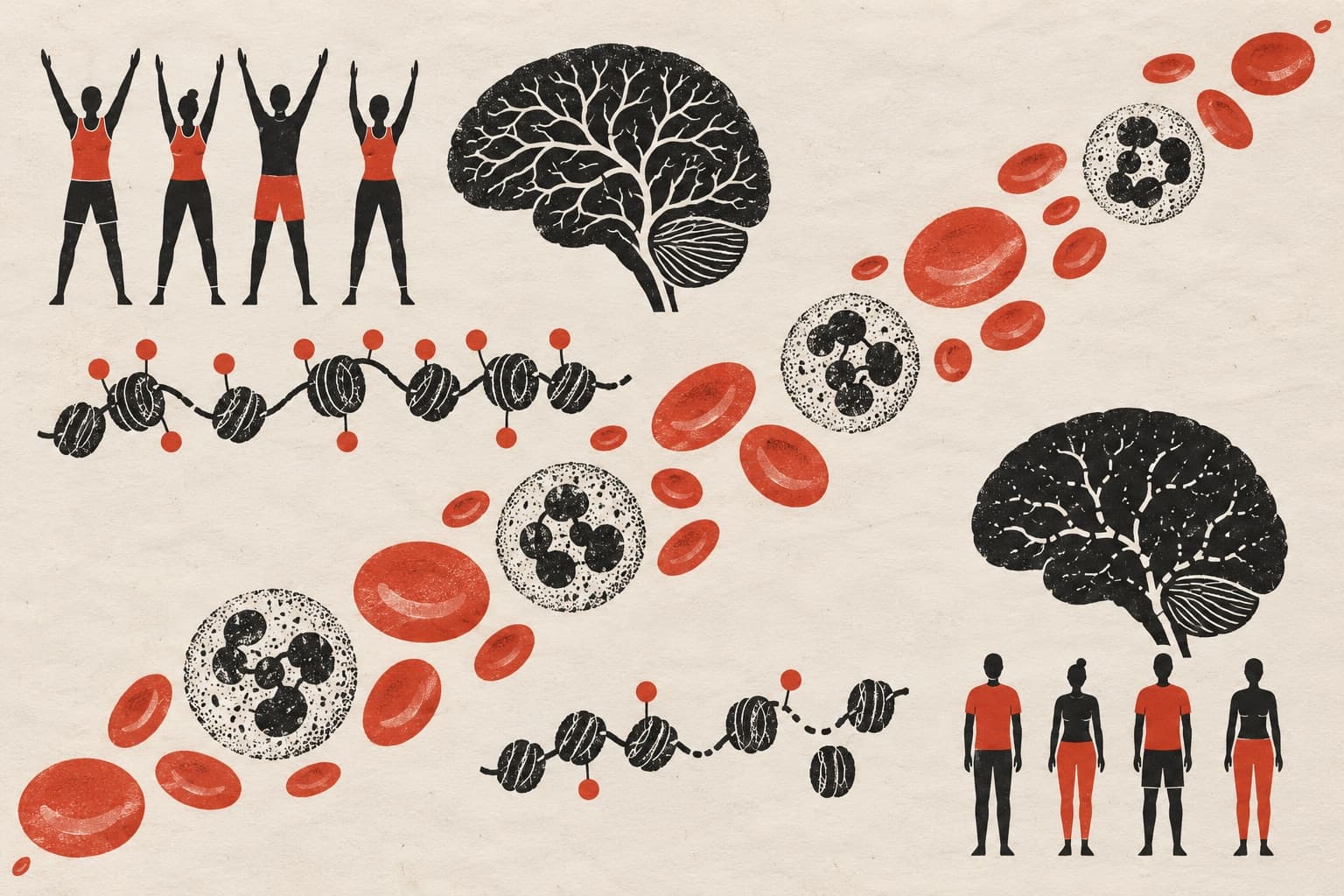
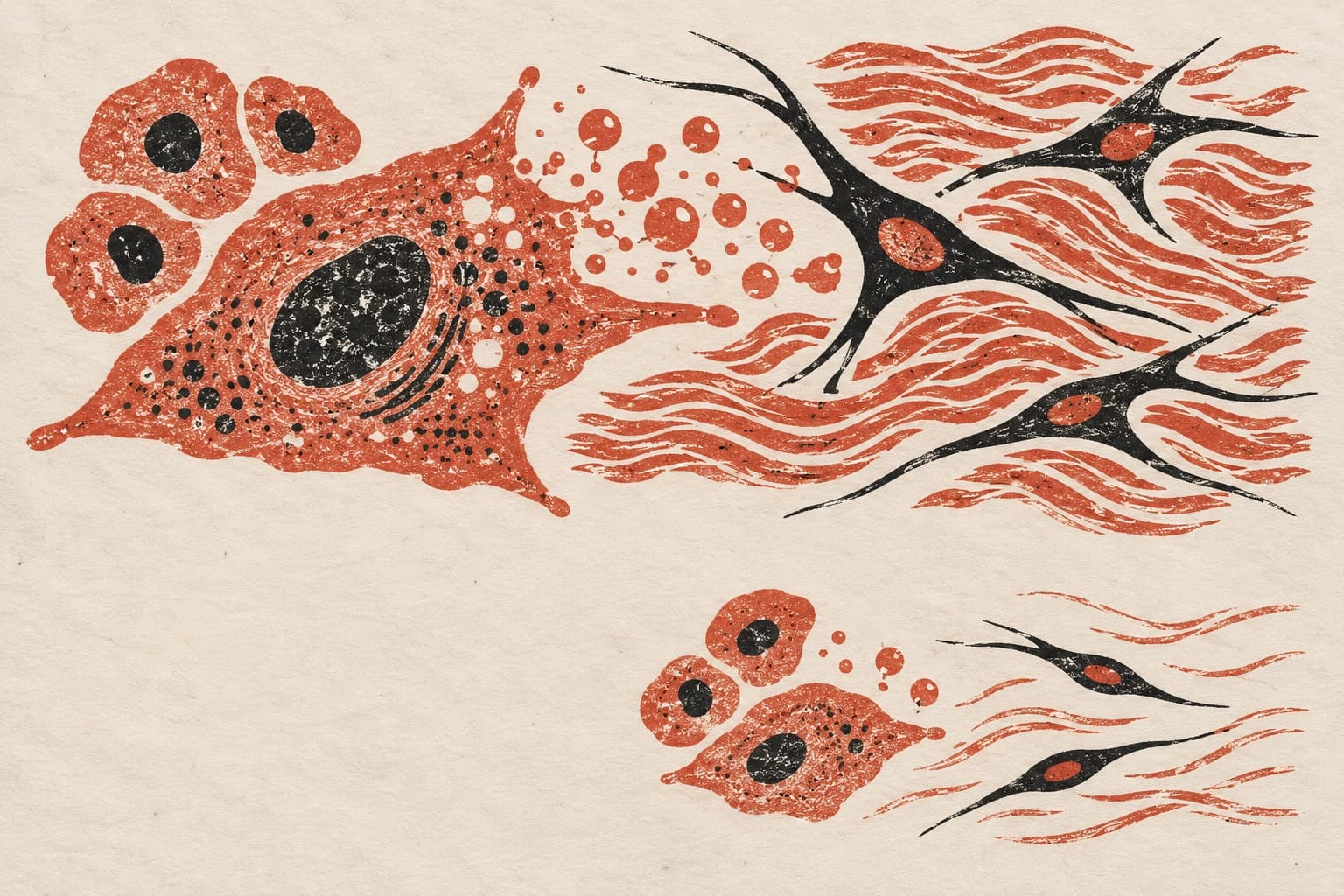
Exercise induces a variety of changes in the tumor microenvironment, with beneficial effects in several tumor types. However, a better understanding of the clinical effects of exercise and mediating mechanisms is needed to maximize the utility of exercise for patients. In this study, we analyzed tumors from patients with pancreatic ductal adenocarcinoma (PDAC) in the PancFit trial and identified an exercise-induced reduction in cells expressing α-smooth muscle actin (αSMA). Interrogation of changes in tumor stromal composition with exercise in a murine PDAC model revealed a microbially influenced reduction in αSMA+ cells and Il6-expressing inflammatory cancer-associated fibroblasts (iCAF). Cholic acid, a microbial bile acid, was increased in both patients and murine models with exercise, as a potential mediator of exercise-induced reduction in iCAFs. Consistent with these findings, patients that exercised more also exhibited fewer iCAFs and lower tumor IL6 expression, supporting a stromal remodeling effect of physical activity. In summary, this study demonstrates that the antitumor effect of exercise includes stromal remodeling, which is affected by microbial metabolites. Significance Exercise-induced changes in cancer associated fibroblasts vary with microbiome composition, which may explain the heterogeneity in tumor responses to exercise and could guide future exercise trials in cancer patients.
The paper
The University of Texas MD Anderson Cancer Center
Cancer Research, 30 Sep 2026