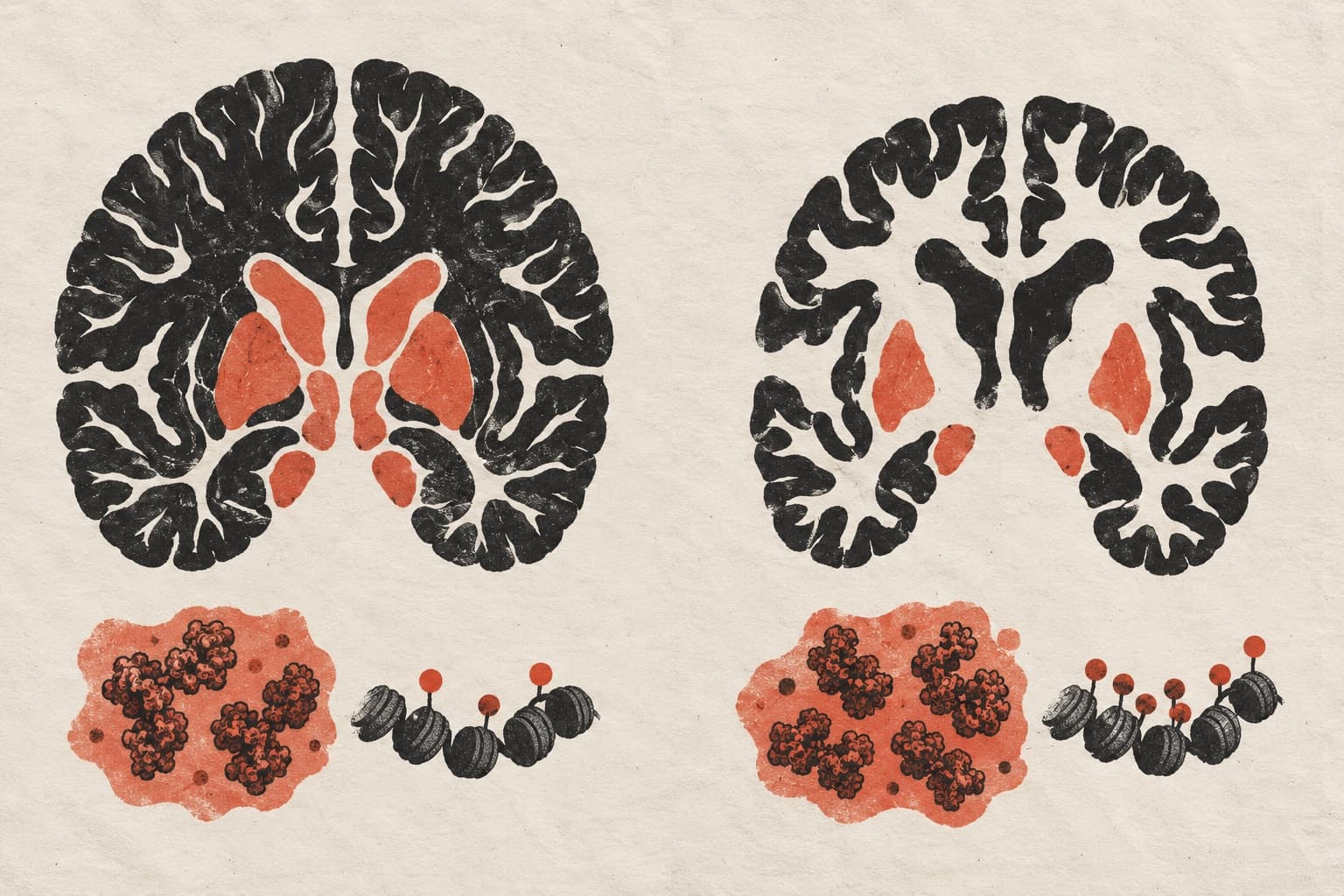
Exercise linked to slower epigenetic aging in breast cancer survivors
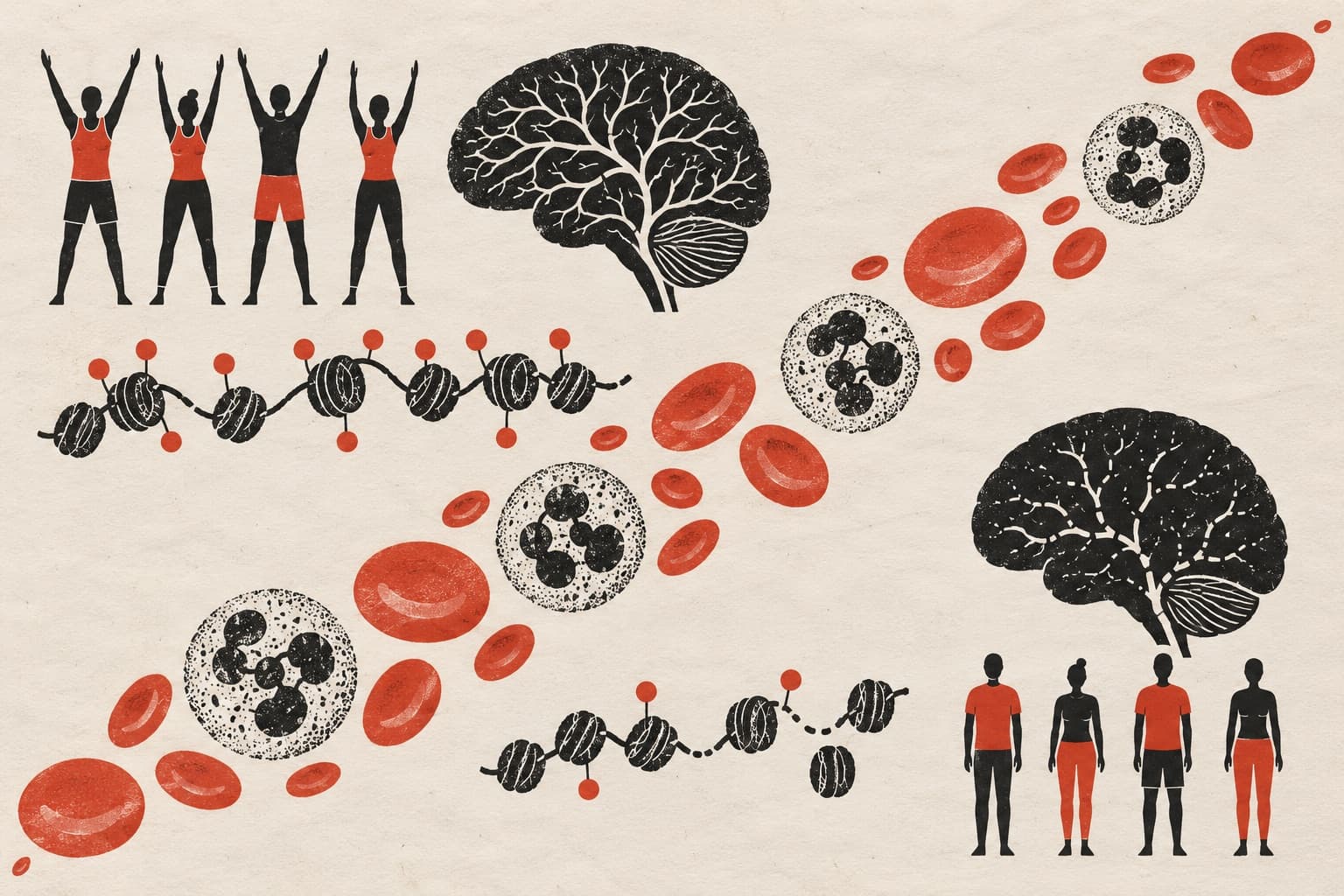
In a randomized trial of 124 breast cancer survivors, a 12-month exercise intervention slowed epigenetic aging measured by GrimAge2 and DNAmFitAge compared to a wellness control.
Journal of the National Cancer Institute
In a study of sedentary breast cancer survivors within five years of diagnosis, researchers examined how a 12-month exercise program affects biological aging. Participants were randomized to either a remotely delivered exercise intervention or a contact-matched health and wellness condition. Investigators collected whole blood samples and cognitive assessments at baseline, six months, and 12 months, analyzing a subsample of 124 participants with complete data.
Over the 12-month study, the exercise arm showed slower epigenetic aging than the wellness arm on the GrimAge2 (P = .02) and DNAmFitAge (P = .002) clocks. Changes in epigenetic aging correlated with cognitive measures, with faster biological aging linked to greater decline in attention and self-reported cognition. Genome-wide analysis also identified differentially methylated sites, including genes enriched for brain-derived neurotrophic factor signaling pathways.
Why it matters
The results suggest that biological aging may be a modifiable mechanism through which exercise supports cognitive health during cancer survivorship.
Caveats
The findings rely on a secondary analysis limited to a subsample of 124 participants who had complete data. Cognitive evaluations also relied in part on self-reported measures.
The paper
Exercise slows biological aging in breast cancer survivors: secondary analysis of a randomized trial
UC San Diego Health System
Journal of the National Cancer Institute · 30 Sep 2026