Caloric restriction delays cancer wasting in mice
In a mouse model of lung cancer, restricting food before tumour induction preserved lean mass and prolonged survival where targeting individual candidate factors failed.
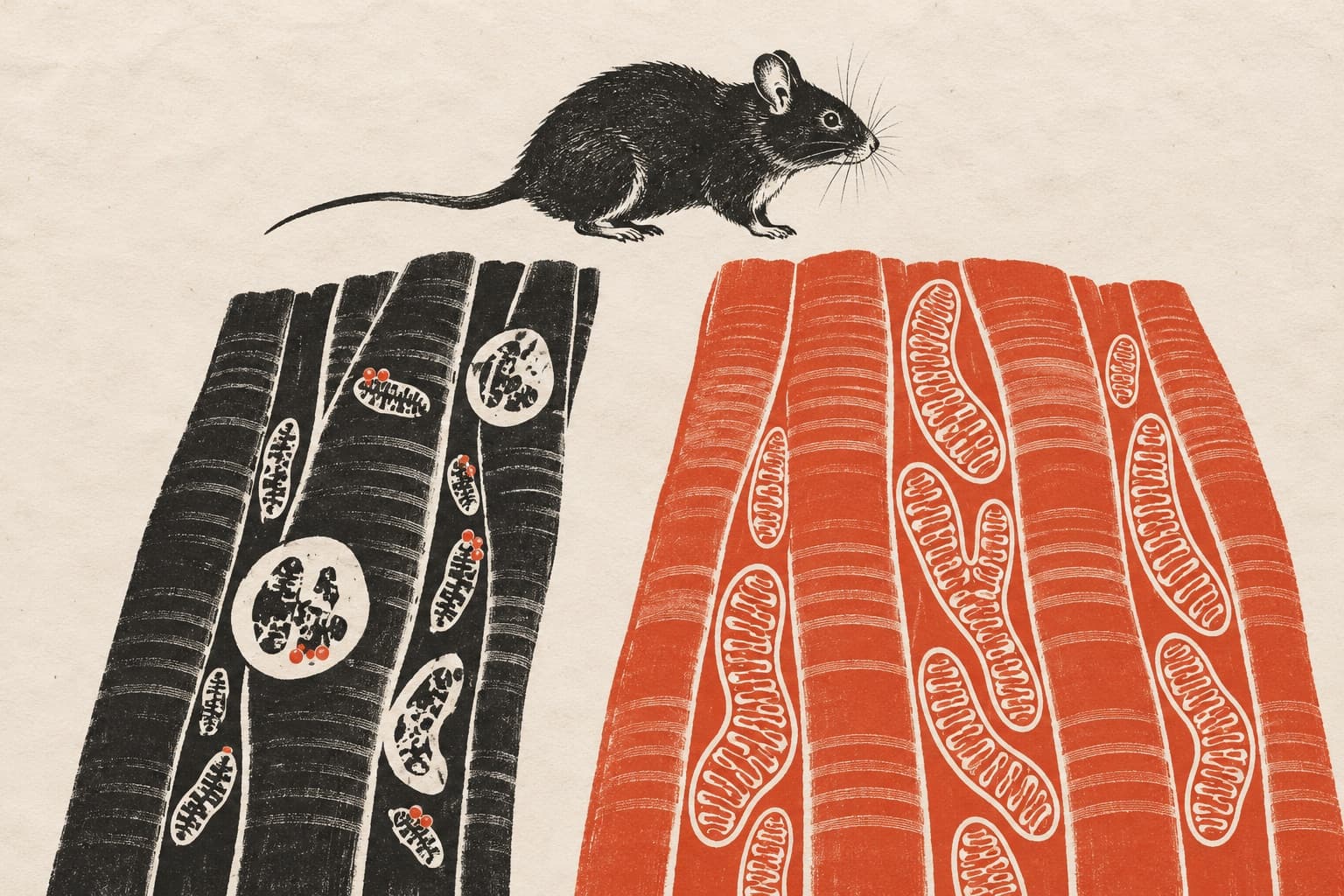
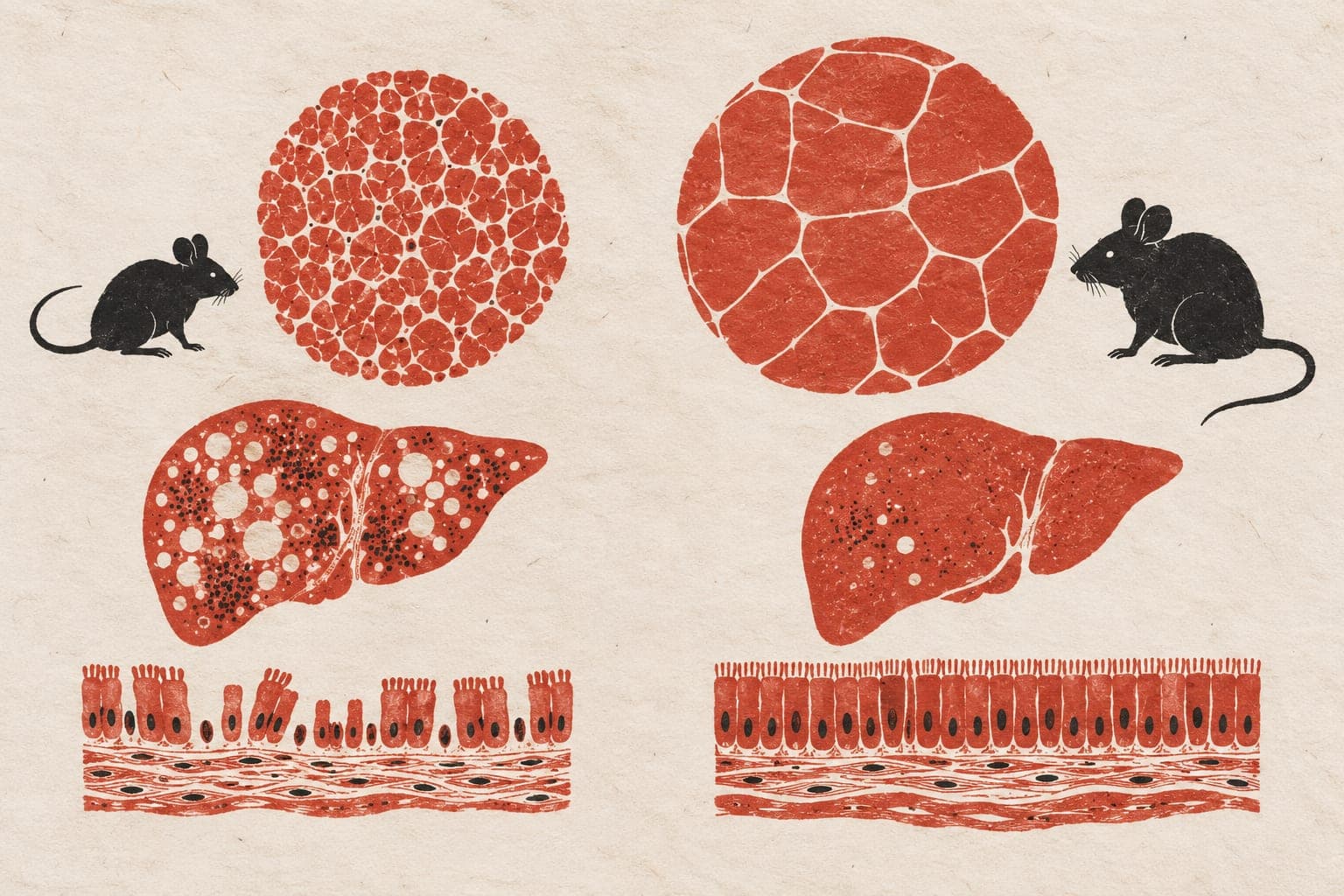
In an experiment in a genetically engineered mouse model of lung cancer, researchers studied the wasting syndrome known as cachexia. Early metabolic alterations in the blood preceded overt weight loss. Although both cachexia and fasting involve reduced food intake, systemic metabolic changes in cachexia differed, indicating a lack of induction of the normal protective response to negative energy balance. Targeting individual candidate cachexia factors, such as interleukin-6 and tumour necrosis factor, failed to rescue weight loss or prolong survival. In contrast, caloric restriction initiated prior to tumour induction elicited a protective programme during tumour progression. This dietary intervention attenuated inflammatory and breakdown-related gene activity across multiple tissues, preserved lean mass, and prolonged survival.
Why it matters
Cancer is a common disease of aging, and cachexia causes severe involuntary tissue wasting. The findings suggest that metabolic preconditioning broadly dampens systemic inflammation and delays the onset and progression of cancer cachexia.
Caveats
This study is a preprint that has not yet been peer-reviewed, and the experiments were conducted in mice rather than people. In addition, caloric restriction was started before tumour induction rather than after tumours had already developed.
The paper
Engaging the host adaptive response to nutrient limitation delays cancer cachexia
Show 23 more authors
D. Fard, S. Lopez-Darwin, J. Raeber, J. Powers, Z. Hu, H. Sarkar, E. CararoLopes, A. Sawant, G. Reyes-Castellanos, W. Lu, H. Qiang, A. Sen, Y.-Y. Kwon, S. Wadhera, H. Armughan, S. Shi, J. D. Rabinowitz, S. Hui, T. G. Anthony, M. Skinnider, B. Raphael, M. D. Goncalves, T. Janowitz,Rutgers Cancer Institute
bioRxiv, 9 Oct 2026, Preprint, not peer-reviewed