Co-administration of empagliflozin and curcumin attenuates the development of MASLD by modulating lipid metabolism and adipose tissue browning in HFD-fed C57BL/6J mice
23 weeks
Abstract
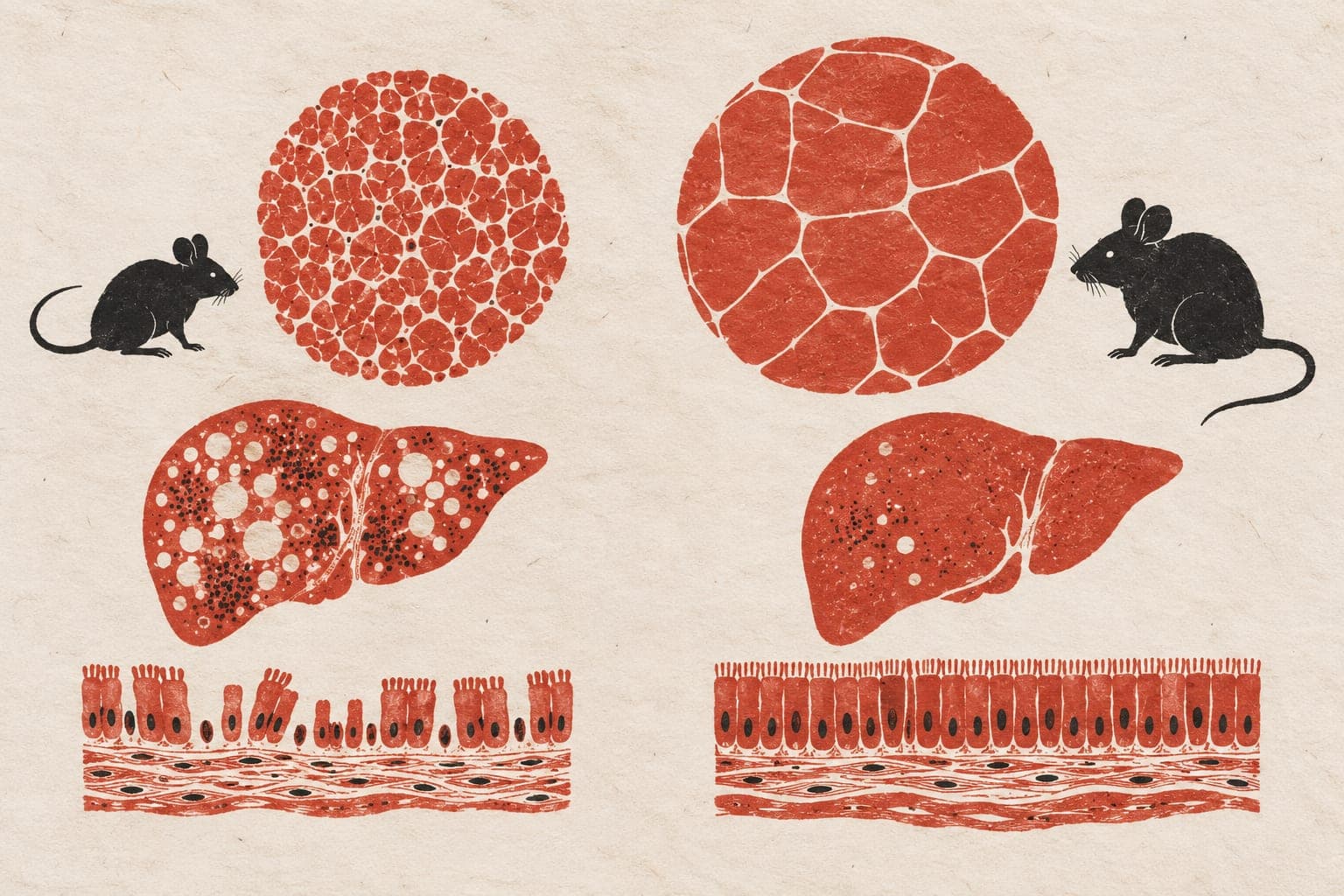
The increasing global incidence of metabolic dysfunction-associated steatotic liver disease (MASLD) highlights the need for effective treatment strategies. This study investigated the combined effects of empagliflozin (EMPA), a sodium-glucose cotransporter 2 (SGLT2) inhibitor, and curcumin (Cur), a natural polyphenol, on MASLD development in mice. Male C57BL/6J mice were fed a normal chow diet (NCD) or a high-fat diet (HFD) for 23 weeks. HFD-fed mice received EMPA, Cur, or their combination throughout the dietary intervention. Markers of lipid metabolism, thermogenesis, and oxidative stress were evaluated. In vivo adipose tissue browning was assessed via ¹⁸F-FDG PET/CT imaging. Co-administration of EMPA and Cur significantly attenuated body weight gain (p < 0.001 vs. HFD) and adipose tissue expansion without altering food intake. Glucose tolerance and hepatic AKT phosphorylation were markedly improved (p < 0.001). Hepatic TG content and MASLD Activity Score were substantially reduced (p < 0.001), accompanied by AMPK activation, FAS suppression, and CPT1A upregulation. Fecal TG content was elevated with combination treatment (p < 0.001 vs. HFD), indicating reduced intestinal lipid absorption. BAT thermogenic activity, confirmed by ¹⁸F-FDG PET/CT and cold tolerance testing, and sWAT browning were most pronounced in the combination group. Hepatic oxidative stress markers were most improved by the combination, accompanied by Nrf2 pathway activation. Co-administration of EMPA and Cur represents a multi-target approach for mitigating MASLD development. This effect entails comprehensive improvement of metabolic homeostasis, reduced hepatic steatosis, and increased systemic energy expenditure. Formal combination interaction analysis indicated synergistic effects across key metabolic endpoints.
- Empagliflozin
- Curcumin
- SLC5A2
- Lipid and ceramide metabolism
- Metabolic dysfunction-associated steatotic liver disease
- Mice
The paper
Iran University of Medical Sciences; Tehran University of Medical Sciences
Life Sciences, 29 Sep 2026, Open access