Protein reduces inflammation-related gene activity in mouse neurons
Experiments in lab-grown mouse neurons found that aging-related stresses raised levels of DHX36, a protein that suppressed pathways involved in brain inflammation.
Edited by Boris Djordjevic · AgingResearch.News
In experiments with mouse cortical neurons—nerve cells from the brain’s outer layer—grown in the lab, researchers examined DHX36, a protein that unwinds folded DNA or RNA structures. Inflammatory stress, stress in the cell’s protein-processing system and stress that damages genetic material increased DHX36 levels in cultured neurons.
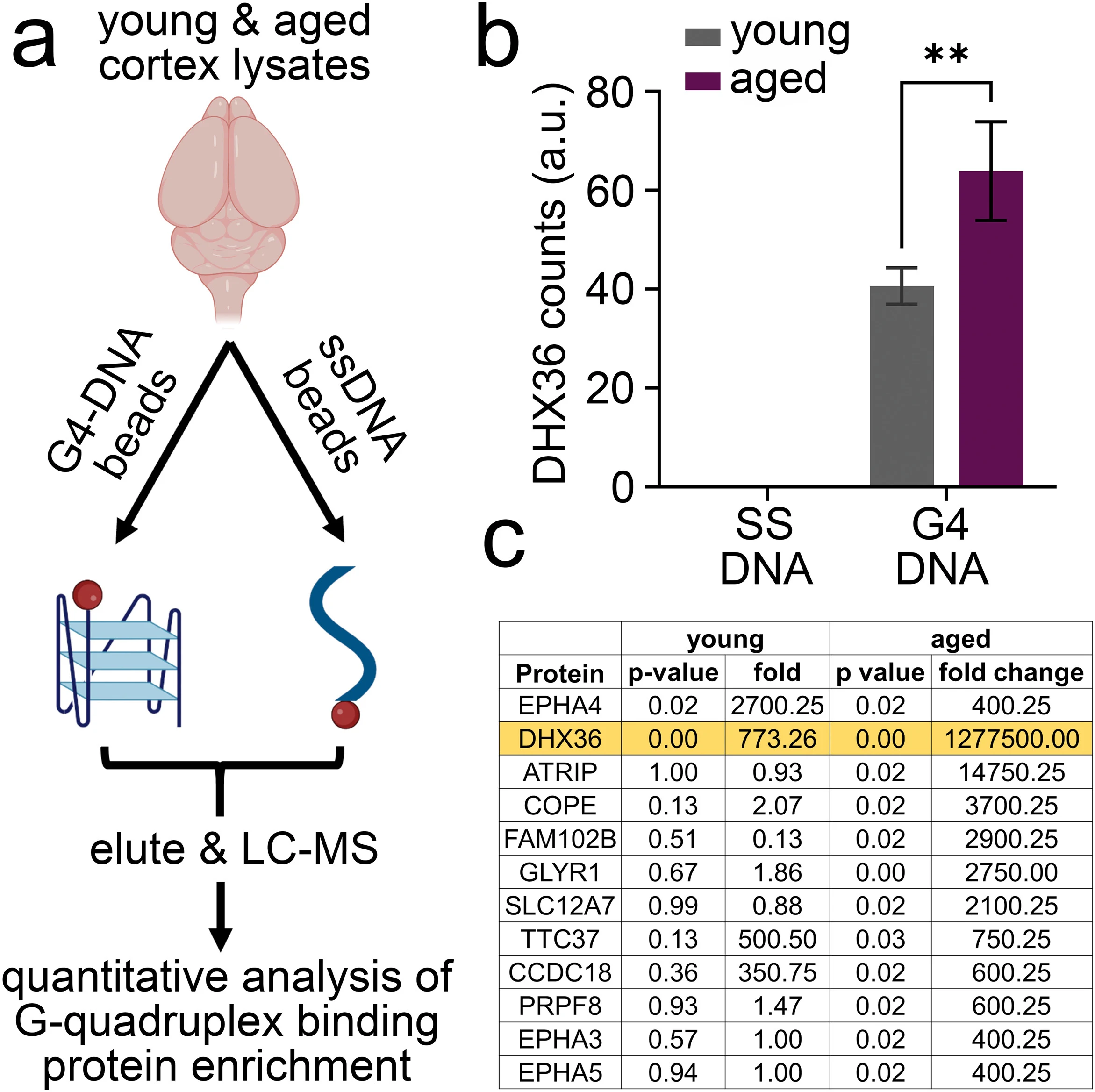
An analysis of gene activity found that DHX36 suppressed pathways involved in brain inflammation. It also changed the activity of genes associated with inflammation, senescence—a state in which cells stop dividing—and DNA packaging. A modified DHX36 protein reproduced the main effects on gene activity despite lacking the ability to break down ATP, a cellular energy source. This indicated that those effects did not require ATP-powered unwinding. Separately, the researchers observed higher DHX36 levels in neurons from aged mouse and human brains.
Why it matters
Neurons face sustained cellular stress in the aging brain. The authors suggest that DHX36 may help neurons maintain normal function during aging and neurodegeneration.
Caveats
The inflammation-related results concerned gene activity in cultured neurons, not disease outcomes in people. Higher DHX36 levels in aged brains did not establish that the protein preserved brain function.
The paper
Stress-induced helicase DHX36 controls neuroinflammation
the University of Texas McGovern Medical School
The Journal of Biological Chemistry, Sep 22, 2026, Open access
Comments
Be the first to comment.