Gene-control protein reshapes DNA packaging in human cells
Experiments in human cells found the protein was needed to reorganize DNA packaging as DNA damage pushed cells to stop dividing.
Limit: The experiments measured DNA packaging changes, not lifespan
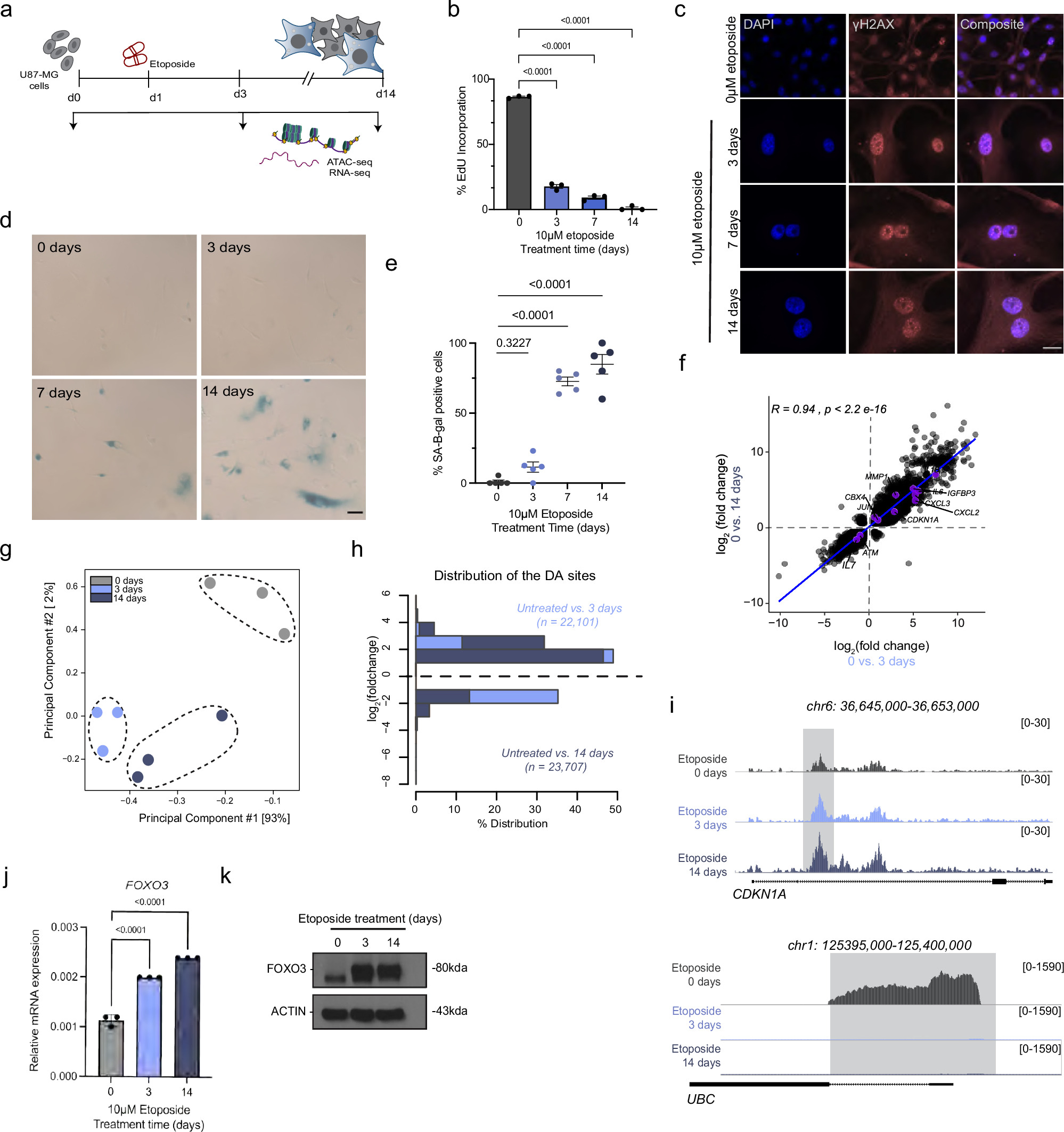
In human cells, researchers ran laboratory experiments to examine how FOXO3, a protein that controls gene activity, changed DNA packaging during senescence, a state in which cells stop dividing. They studied dividing cells and a model in which DNA damage triggered senescence, combining analyses of gene activity and chromatin, the material that packages DNA.
FOXO3 levels rose early as cells entered senescence. Increasing FOXO3 production increased the activity of genes for proteins that reorganize chromatin. Together with other chromatin-remodeling proteins, FOXO3 changed how accessible DNA was to the machinery that reads it. In the DNA-damage model, FOXO3 was essential for reorganizing chromatin and gene activity in a network involved in cell stress and functions linked to cell type.
Why it matters
FOXO proteins have been implicated in longevity in several species, making their role in coordinating cellular stress responses a question relevant to aging research.
Caveats
These experiments used human cells in a laboratory model of senescence caused by DNA damage. They do not show whether the findings apply to aging or lifespan in people.
The paper
FOXO3 induces chromatin changes in a model of DNA damage-induced senescence
Brown University
Communications Biology, Oct 17, 2026, Open access, CC BY-NC-ND


