Caloric restriction reshapes liver lipid profiles in mice
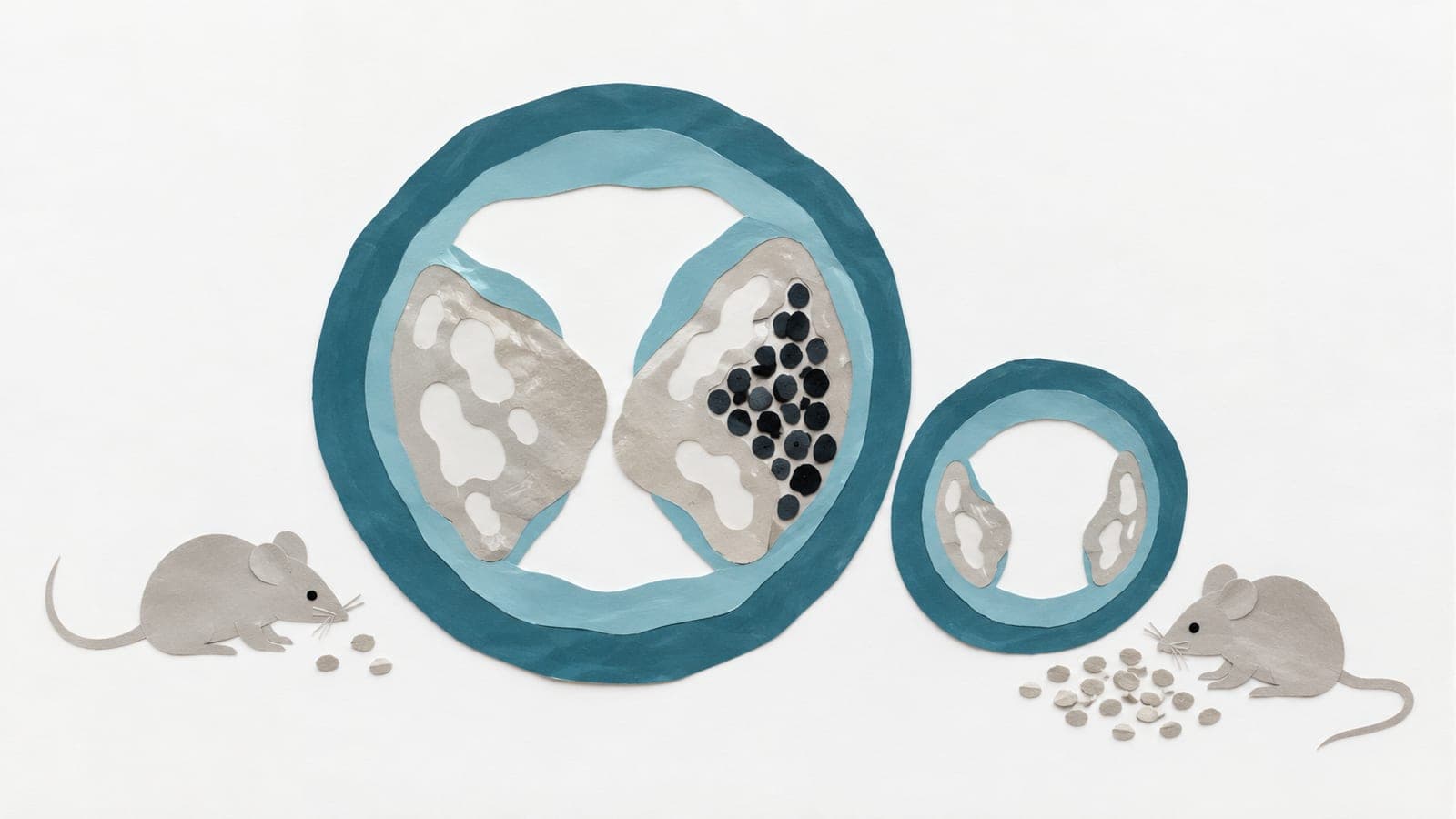
Caloric restriction across adulthood and aging blunted mid-life inflammatory surges in mouse livers and preserved fatty acid mediators compared with unrestricted feeding.
Limit: The abstract omits the exact degree of calorie restriction
Edited by Boris Djordjevic · AgingResearch.News
In an experiment in mice, researchers profiled oxylipins—fatty acid molecules that act as chemical signals—in the livers of animals fed freely or placed on lifelong caloric restriction across adulthood and aging. In freely fed mice, about nine months of age was an inflection point where liver lipid networks shifted toward a pro-inflammatory state, showing temporary surges in inflammatory signals alongside a loss of molecules that help resolve inflammation. Later in life, these mice depleted fatty acid epoxides and accumulated diols, indicating an impaired capacity to resolve inflammation.
Lifelong caloric restriction reshaped these trajectories. It blunted mid-life inflammatory surges, preserved epoxy-fatty acids, and induced the enzyme CYB5R3, which the authors suggest may sustain epoxide production. These lipid changes coincided with reduced liver fat accumulation and a more favorable metabolic profile.
Why it matters
Caloric restriction can delay age-related metabolic decline, but its molecular links to liver protection remain incompletely understood. The findings point to liver lipid signaling as a focus for investigating those links.
Caveats
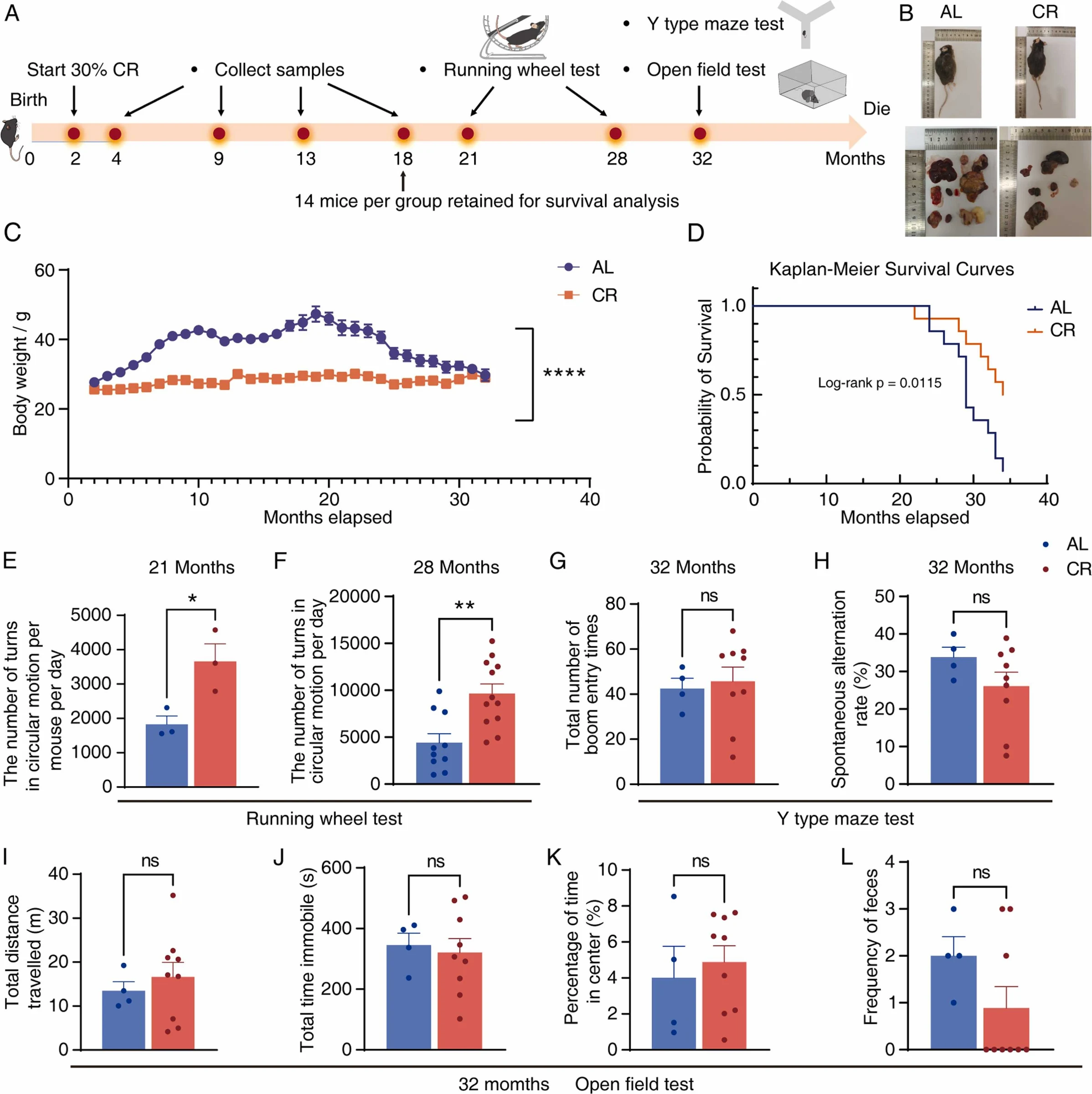
The reported associations do not establish whether CYB5R3 or the lipid changes caused the metabolic differences. The findings are in mice, and the abstract does not report the sample size, mouse strain, or exact degree of calorie restriction.
Caloric restriction is part of Bryan Johnson's Blueprint
The paper
Yancheng Teachers University; Xuzhou Medical College
Prostaglandins & Other Lipid Mediators, Sep 18, 2026, Open access