Molecular interaction mechanisms of muscle fiber type transition in aging sarcopenia and the role of exercise intervention
Abstract
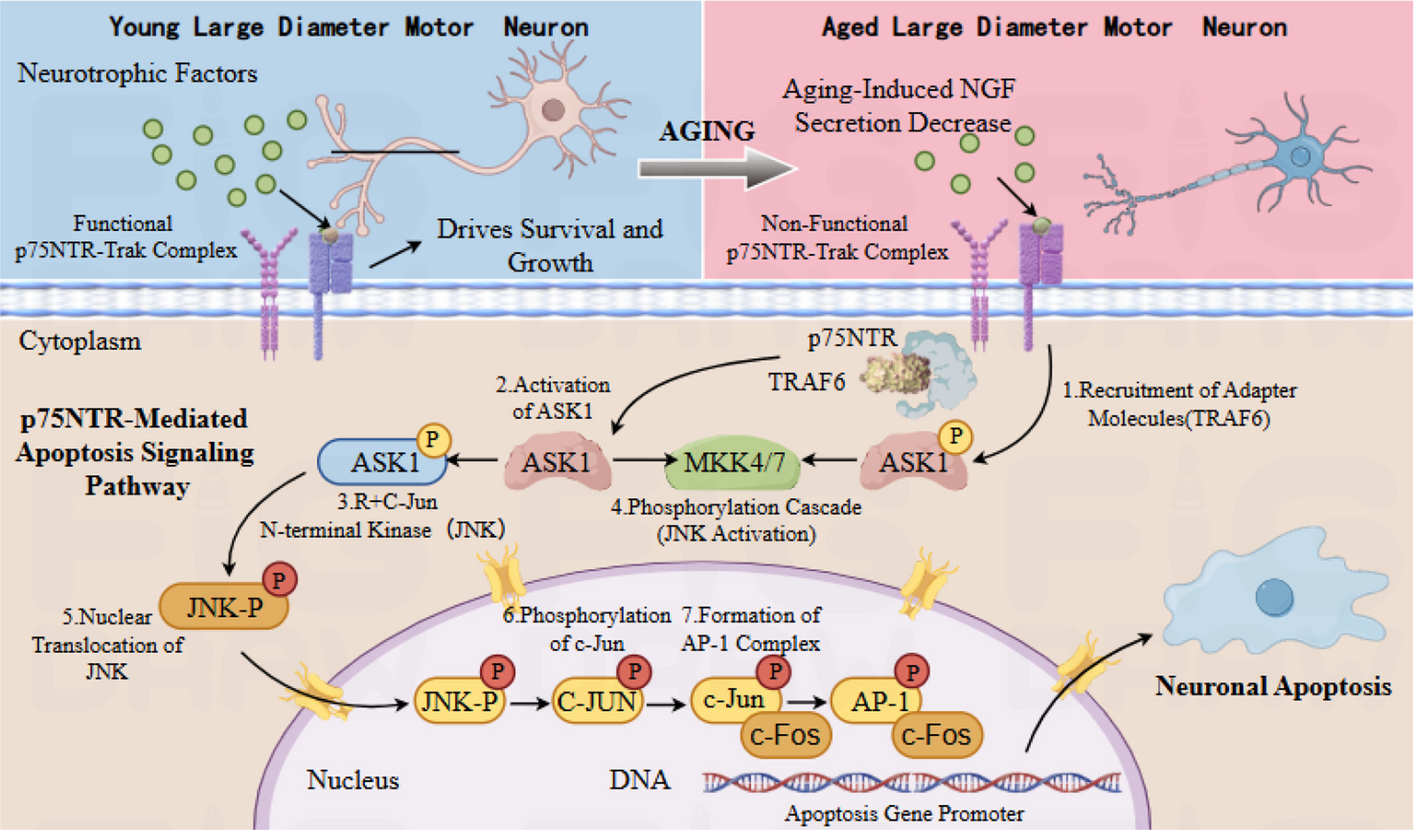
Muscle fiber type transition is a core pathophysiological process in aging sarcopenia; however, existing research has often analyzed its underlying mechanisms in isolation. This review systematically characterizes the features of muscle fiber type transition in sarcopenia at the neural, cellular, and microenvironmental levels, and dissects the multidimensional molecular interaction mechanisms, including disrupted neural input, aberrant intracellular protein metabolism, and inflammaging. Based on this mechanistic framework, we propose exercise intervention strategies targeting these molecular pathways, emphasizing the core principles of stage-specific adaptation to the aging process and phenotypic matching of fiber damage characteristics. Furthermore, we elaborate on the molecular mechanisms underlying resistance training, aerobic exercise, and high-intensity interval training. This review offers a novel perspective for the personalized prevention and treatment of sarcopenia and provides a theoretical foundation for the future development of biomarkers and the formulation of precise exercise prescriptions.
The paper
Tianjin University of Sport
The Egyptian Journal of Internal Medicine, 27 Aug 2026