Exercise remodels muscle progenitor cells in older adults
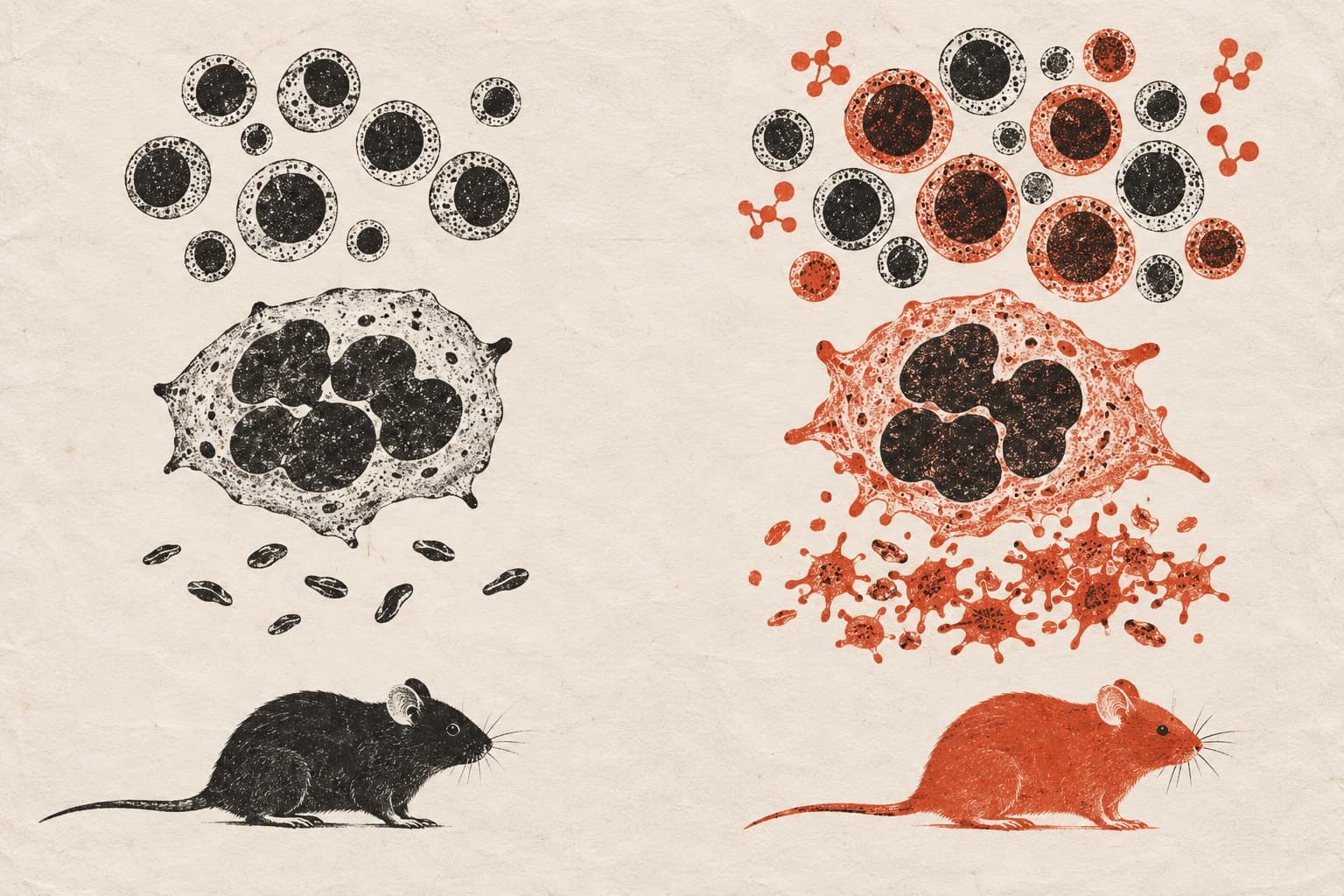
Six weeks of blood flow restricted resistance exercise enlarged muscle progenitor cells and shifted fibro-adipogenic progenitors toward a pro-myogenic state in healthy older adults.
bioRxiv
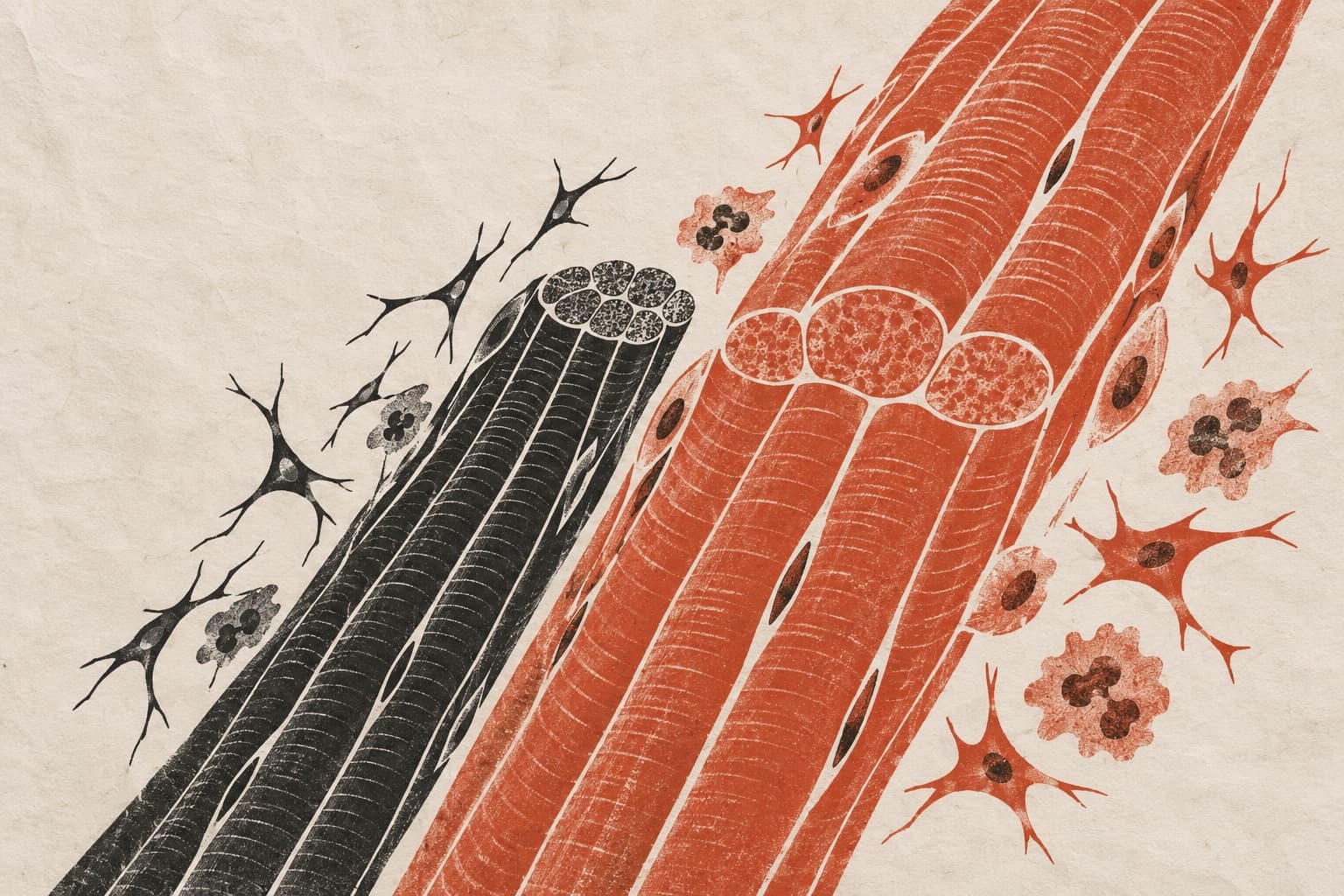
In healthy older individuals, six weeks of blood flow restricted resistance exercise reshaped the skeletal muscle microenvironment during exercise-induced hypertrophy. Researchers analyzed cellular adaptations by flow cytometry, profiling fibro-adipogenic progenitors (FAPs), muscle stem cells, and immune cells.
The exercise protocol significantly enlarged both FAPs and muscle stem cells. Total FAP numbers remained unchanged, but the intervention shifted the pool toward a higher proportion of CD90 high FAPs. Transcriptional analysis showed enrichment of pro-myogenic factors as well as matrix and collagen genes in CD90 high compared to CD90 low cells. In culture, conditioned media from CD90 high FAPs promoted myotube growth. The training also increased the proportion of CD11c-positive macrophages in the muscle niche, while TNF-alpha reduced the proliferation of primary human FAPs ex vivo.
Why it matters
The findings suggest that coordinated phenotypic remodeling between fibro-adipogenic progenitors and immune cells may help sustain skeletal muscle hypertrophy during aging.
Caveats
This study is a preprint that has not yet been peer-reviewed. Additionally, tests of progenitor-driven myotube growth and macrophage-related signaling were evaluated in vitro and ex vivo rather than in living tissue.
The paper
Show 6 more authors
Jesper Just, Frederik Forsberg Thybo, Mette Bjerre, Frank Vincenzo de Paoli, Niels Jessen, Kristian Vissing,Aarhus University
bioRxiv · 28 Sep 2026 · Preprint, not peer-reviewed