Two proteins amplify inflammation in aging mouse skin
Experiments in the outer layer of mouse skin found a protein partnership that amplified inflammation-related gene activity independently of the body clock.
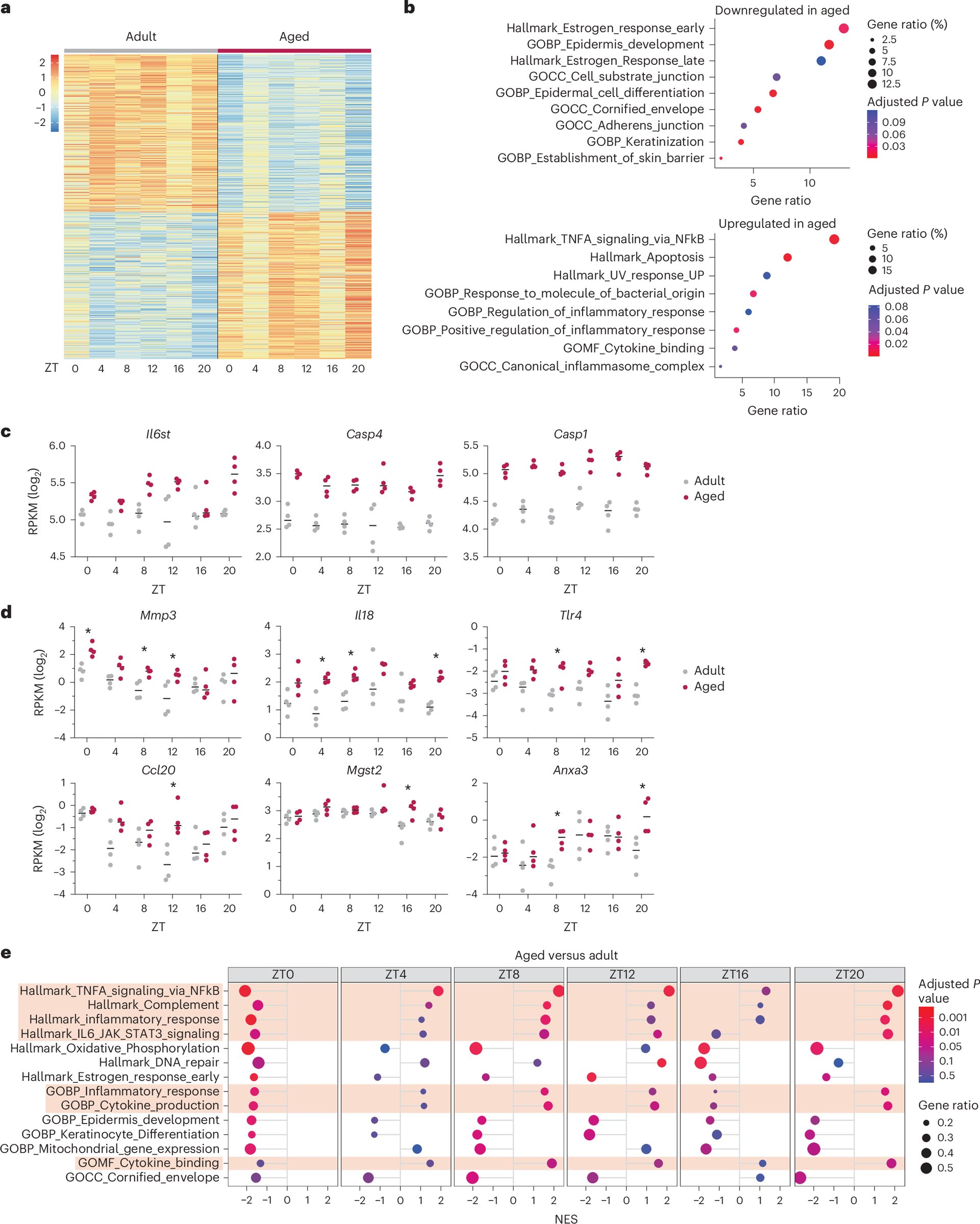
Limit: Inflammation-related gene activity is a stand-in for tissue inflammation
Edited by Boris Djordjevic · AgingResearch.News
In experiments in the mouse epidermis, the skin’s outer layer, researchers found that aging changed how two proteins jointly controlled gene activity. BMAL1, a protein involved in the body clock, worked with YAP, a protein that responds to mechanical signals. Their partnership operated independently of BMAL1’s body-clock role.
The proteins bound together at enhancers, DNA regions that help control gene activity, to regulate genes involved in defining the epidermis. In aged skin, this partnership shifted toward inflammation-related genes. The proteins showed greater joint binding at inflammation-related enhancers, amplifying target gene activity. The researchers also found that IL-17, an inflammation-related signal, activated YAP in aged skin.
Why it matters
Persistent low-grade inflammation accompanies aging and is linked to poorer skin function. Understanding its gene-control mechanisms could help identify ways to counter chronic inflammation and maintain tissue function.
Caveats
These experiments were in mice, so they do not establish that targeting this partnership would reduce inflammation or improve skin function in people.
The paper
Noncircadian BMAL1-YAP activity amplifies persistent inflammation in aged epidermis
Institute for Research in Biomedicine; Josep Carreras Leukaemia Research Institute
Nature Aging, Aug 19, 2026, Open access, accepted manuscript

